How to Kill Broadleaf Weeds and Crabgrass Simultaneously
Why One Herbicide Can Tackle Both Broadleaf Weeds and Crabgrass
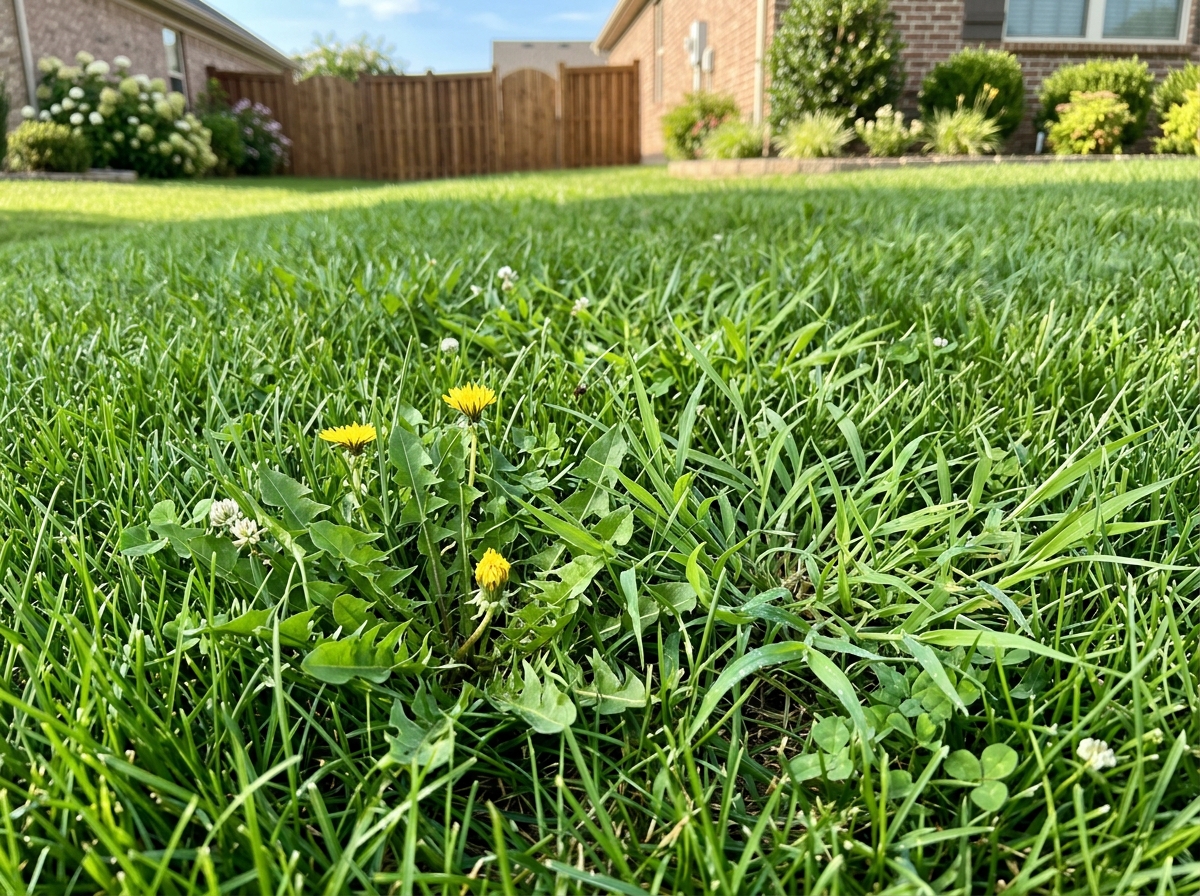
A broadleaf and crabgrass herbicide is a dual-action weed killer that targets both grassy weeds like crabgrass and broadleaf weeds like dandelions in a single application. Here are the most effective options available:
| Product | Type | Coverage | Kills |
|---|---|---|---|
| Spectracide Weed Stop Plus Crabgrass Killer | Concentrate | Up to 5,000 sq ft | 470+ weeds |
| Weed Beater Plus Ready-to-Spray | Ready-to-use | Up to 6,600 sq ft | 200+ weeds |
| Drive XLR8 | Concentrate | Varies | Crabgrass, foxtail, broadleaf |
| Q4 Plus | Concentrate | Varies | Crabgrass, nutsedge, broadleaf |
| BioAdvanced 5-In-1 Weed & Feed | Granular | Up to 4,000 sq ft | 200+ weeds, prevents 6 months |
If your Ohio lawn looks more like a patchwork of weeds than a lush carpet of grass, you are not alone. Crabgrass and broadleaf weeds are two of the most stubborn lawn problems homeowners face every season. The good news is that you do not need separate products to fight them. Modern dual-action herbicides can knock out both weed types at once, saving you time, money, and frustration.
The tricky part is knowing which product to use, when to apply it, and how to avoid damaging your lawn in the process. Get any one of those wrong and you could end up with dead patches or weeds that bounce right back.
I'm Andrew Day, owner of Advanced Quality Lawn, and with over 30 years of experience applying broadleaf and crabgrass herbicide across Northeast Ohio properties, I know exactly what works in our region's climate and soil conditions. In this guide, I'll walk you through everything you need to choose and apply the right product for your lawn.

Understanding Broadleaf and Crabgrass Herbicide Options
To fix a weed problem, we first have to understand what we are fighting. Crabgrass is a grassy weed. It looks and grows much like your lawn grass, which makes it very difficult to kill without harming the turf. Broadleaf weeds like dandelions or clover have wide leaves and often produce flowers. They are biologically different from grass, which usually makes them easier for herbicides to identify.
A high quality broadleaf and crabgrass herbicide uses a blend of chemicals to attack both at once. In Northeast Ohio, we primarily deal with three types of crabgrass that you might see in your yard.
- Large crabgrass is also known as hairy crabgrass. It has wide, flat leaves with tiny hairs along the edges and stems. It is very common in our area and can spread quickly if you do not catch it early.
- Smooth crabgrass has smoother leaves and stems. It tends to form very dense patches that can choke out your good grass.
- Southern crabgrass is more common in warmer spots but can still pop up in our region during a hot summer. It has a finer texture but is just as invasive.

Active Ingredients in Broadleaf and Crabgrass Herbicide
When you look at the back of a bottle of weed killer, the chemical names can be confusing. Most effective dual-action products rely on four main ingredients.
- Quinclorac is the powerhouse for crabgrass. It is one of the few chemicals that can kill crabgrass after it has already sprouted. Professional products like Q4 Plus contain 0.75 lbs of quinclorac per acre to provide extra knockout power.
- 2,4-D is the gold standard for broadleaf weeds. It targets things like dandelions and plantain by causing them to grow so fast they essentially sprout themselves to death.
- Dicamba helps 2,4-D by attacking tough weeds like clover or chickweed that might resist other chemicals.
- Sulfentrazone is often added to professional formulas to provide a rapid visual response. It works quickly to yellow the weeds and is especially good at suppressing yellow nutsedge.
These ingredients work through translocation. This means the plant absorbs the chemical through its leaves and moves it all the way down to the roots. This root-killing action is vital because if the root survives, the weed will simply grow back in a few weeks.
Choosing the Best Broadleaf and Crabgrass Herbicide for Your Turf
Not every broadleaf and crabgrass herbicide is safe for every lawn. In Northeast Ohio, we have cool-season grasses like Kentucky Bluegrass, Tall Fescue, and Perennial Ryegrass. Most dual-action herbicides are perfectly safe for these types when used according to the label.
However, if you have a warm-season grass like Zoysia or Bermudagrass, you have to be much more careful. Some chemicals that are safe for Fescue can severely burn or kill St. Augustine or Centipede grass. Since we are in the Akron area, you likely have a cool-season lawn, but always double-check the label before you spray.
You also need to decide between a concentrate or a ready-to-use option.
| Feature | Ready-to-Spray (Hose-End) | Concentrated Formula |
|---|---|---|
| Ease of Use | Very high, just attach a hose | Requires mixing and measuring |
| Cost | More expensive per square foot | Best value for large lawns |
| Accuracy | Harder to control exact dose | Very precise when mixed correctly |
| Equipment | None needed | Requires a pump or backpack sprayer |
| Best For | Small yards or quick touch-ups | Large properties and professional results |
Timing and Temperature for Effective Weed Control
Timing is everything when it comes to a broadleaf and crabgrass herbicide. If you apply it when it is too cold, the weeds are not actively growing and will not absorb the chemical. If you apply it when it is too hot, you risk burning your good grass.
For pre-emergent control, which stops seeds from growing, you want to apply the product when soil temperatures reach 55 degrees for three consecutive days. This usually happens in early spring when the forsythia bushes begin to bloom.
For post-emergent control, which kills weeds you can already see, the ideal air temperature is between 45 and 90 degrees. We recommend aiming for a window between 65 and 85 degrees for the best results. If the temperature is above 90 degrees, your grass is likely under heat stress and the herbicide could cause permanent damage.
If you missed the early spring window, you can use products like Dithiopyr Post-Emergent which can provide some control over very young crabgrass that has just germinated.
Application Techniques and Mixing Requirements
How you apply the product is just as important as what is in the bottle. For professional-grade results, we often suggest using a concentrate like Drive XLR8. This product provides 30-day residual weed control and is widely considered to have unsurpassed crabgrass control.
When mixing a concentrate, you must follow the instructions exactly. For example, Drive XLR8 usually requires 1.45 fluid ounces per 1,000 square feet. A common mistake is using too much water. The water is just a carrier to help you spread the chemical evenly.
Another secret to success is using a surfactant. Many weeds have a waxy coating that causes water to bead up and roll off. A surfactant, like methylated seed oil, breaks that surface tension. This allows the broadleaf and crabgrass herbicide to stick to the leaf and soak in.
For the most even coverage, we recommend a battery-powered backpack sprayer equipped with a TeeJet foliar spray tip. This setup provides a consistent pressure and droplet size that hose-end sprayers simply cannot match.
Post-Application Care and Long-Term Prevention
Once you have sprayed your lawn, the work is not quite done. You need to give the herbicide time to work.
- Do not mow for at least two days before and two days after application. This ensures there is plenty of leaf surface to absorb the chemical and gives the plant time to move the poison to the roots.
- Most liquid herbicides are rainproof within one to five hours, but you should avoid heavy watering for at least 24 hours.
- If you plan on seeding, you usually need to wait four weeks. However, some products like Q4 Plus allow you to seed as soon as one week after use. Always check the label.
- Keep children and pets off the treated area until the spray has completely dried.
To prevent weeds from returning next year, you need a thick, healthy lawn. Weeds love bare spots and thin grass. Each crabgrass plant can produce thousands of seeds that stay dormant in the soil until spring. By keeping your grass thick through overseeding and core aeration, you naturally choke out new weeds before they can start.
You can find More info about weed services on our website to help you plan your long-term strategy. Understanding the relationship between Dandelions and Crabgrass is the first step toward a maintenance routine that keeps your yard green all year.
Frequently Asked Questions about Dual-Action Herbicides
How long does it take for these herbicides to show results?
You will often see visible results very quickly. Products like Spectracide can show results in as little as five hours. However, complete weed death usually takes between 7 and 14 days. For very mature crabgrass, it may take up to three weeks for the plant to turn completely brown and disappear. Weather plays a big role here. Weeds die faster when they are actively growing in warm, moist conditions.
Can I seed my lawn immediately after applying weed killer?
Generally, no. Most broadleaf and crabgrass herbicide products leave a residue that can prevent new grass seeds from germinating. The standard waiting period is four weeks. Some professional formulas have shorter windows, while others like BioAdvanced 5-In-1 can prevent new growth for up to six months. If you seed too early, your new grass will never sprout.
Why does crabgrass return every year despite treatment?
Crabgrass is an annual weed. This means the plant itself dies with the first frost, but it leaves behind thousands of seeds in the dirt. If you only kill the visible plants and do not use a pre-emergent or maintain a thick lawn, those seeds will simply sprout again next spring. It is a cycle that requires consistent care to break.
Conclusion
Tackling weeds does not have to be a full-time job. By choosing the right broadleaf and crabgrass herbicide, applying it at the correct temperature, and following up with good mowing habits, you can achieve a professional-looking lawn on your own.
However, we know that life gets busy. If you would rather spend your weekends enjoying your yard instead of spraying it, we are here to help. At Advanced Quality Lawn, we provide expert lawn care across Akron and Northeast Ohio. We cover 99+ zip codes across Summit, Medina, Cuyahoga, and surrounding counties.
We offer full-program guarantees and excellent customer service with dedicated service calls to ensure your lawn stays perfect. Whether you are in Hudson, Stow, or Medina, we have the local knowledge and professional-grade products to handle even the toughest weed infestations.
Contact Advanced Quality Lawn for Maintenance Services today and let us take the guesswork out of your lawn care.