Expert Akron Shrub Disease Pros for a Healthier Landscape
Why Akron Shrub Disease Pros Are Essential for a Healthy Landscape

When your shrubs start showing spots, wilting, or unusual growth, finding trusted akron shrub disease pros is the fastest way to stop the damage before it spreads. Here is a quick overview of what local shrub disease professionals can do for you:
- Diagnose the problem accurately by identifying the specific disease or pest affecting your shrubs
- Create a targeted treatment plan using fungicides, trunk injections, or deep root feeding
- Set up a preventive care schedule with seasonal visits to stop disease before it starts
- Advise on pruning and sanitation to remove infected material and improve airflow
- Monitor your landscape year-round for early warning signs
Shrub diseases in Akron are more common than most homeowners realize. Northeast Ohio's wet springs, humid summers, and harsh winters create ideal conditions for fungal diseases like boxwood blight, powdery mildew, and leaf spot. By the time most homeowners notice something is wrong, the damage has often already set in. As one local plant health expert puts it, preventive treatments applied before an outbreak are far more effective than reactive ones applied after damage is visible.
The good news is that most shrub diseases are manageable when caught early by a trained professional.
I'm Andrew Day, owner of Advanced Quality Lawn, and with more than 30 years of experience helping Akron area homeowners protect their trees and shrubs, I have seen how quickly shrub disease can spiral without the right akron shrub disease pros on your side. In the sections below, I will walk you through everything you need to know to protect your landscape.
Common Shrub Diseases and Environmental Factors in Akron

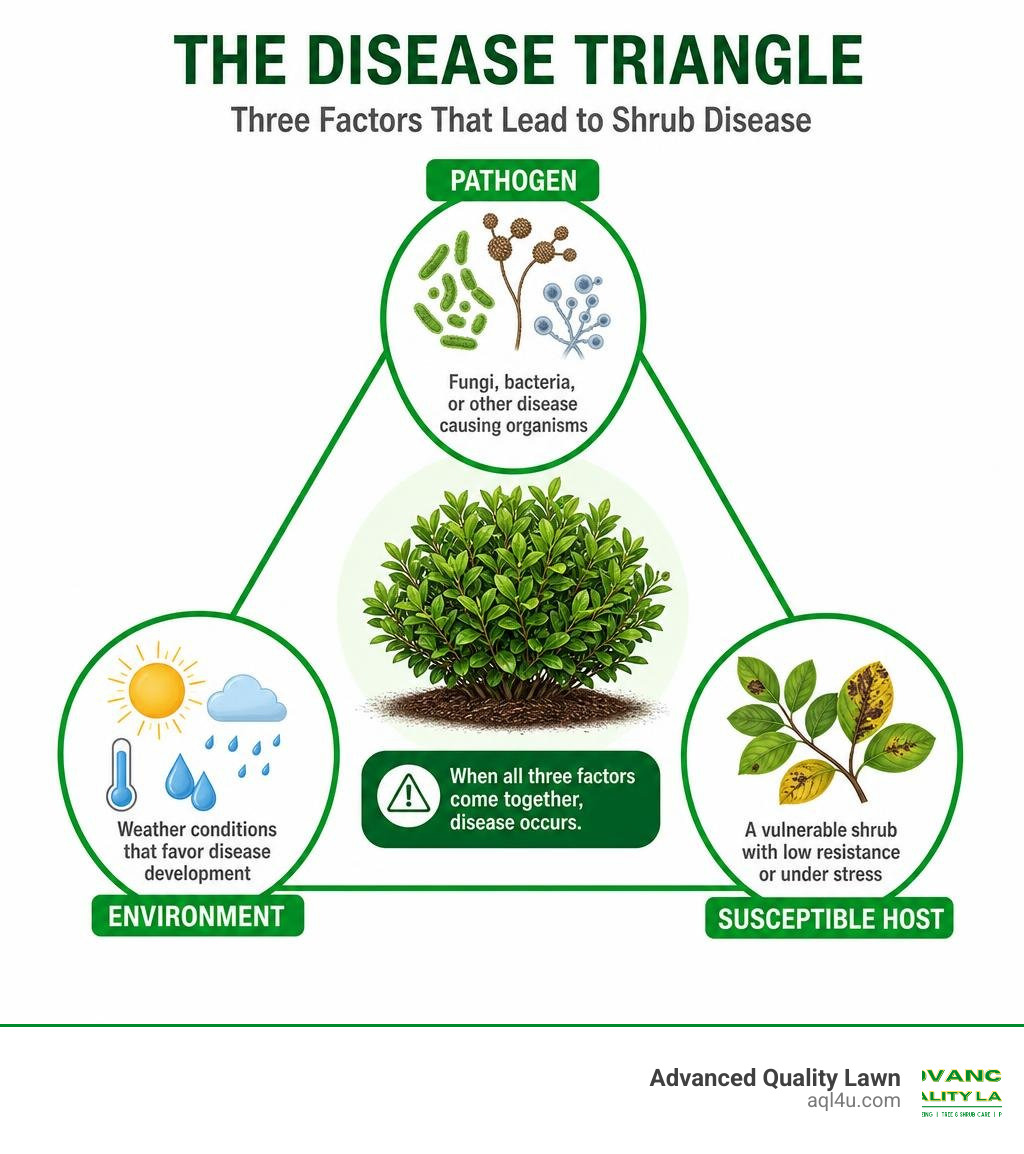
The unique climate of Northeast Ohio plays a major role in how shrub diseases develop and spread. In cities like Hudson, Stow, and Cuyahoga Falls, we experience a wide range of weather conditions that can stress your plants. When shrubs are stressed, their natural defenses weaken, making them easy targets for pathogens.
Fungal spores require moisture and warmth to thrive. Our wet springs and humid summers provide the perfect breeding ground for these organisms. Spores from diseases like apple scab, anthracnose, and leaf spot often lie dormant on fallen leaves and twigs throughout the winter. When temperatures rise in the spring, rain splashes these spores onto new, vulnerable growth, starting the cycle of infection all over again.
Soil compaction is another common issue in residential landscapes across Summit County and Medina County. Unlike the loose, organic soil of a natural forest floor, the soil around many suburban homes is heavily compacted from construction and foot traffic. Compacted soil prevents roots from absorbing essential water, oxygen, and nutrients. This leads to poor drainage, standing water, and eventually root rot, which can mimic the symptoms of leaf diseases.
How you arrange your landscape also impacts plant health. If you are planning a new garden layout, it is helpful to look at The Most Interesting Shrub Design Ideas for Your Curb Appeal to ensure your plants have enough space to grow. Overcrowded shrubs block sunlight and restrict airflow, keeping leaves wet for longer periods and encouraging fungal growth.
Insects also play a massive role in spreading diseases. Pests feed on leaves and stems, creating open wounds that allow fungal and bacterial pathogens to enter the plant. To keep your landscape safe, you should learn about Common Ohio Garden Pests and How to Get Rid of Them as well as other destructive insects. For example, pests like those discussed in our guide on The Unwelcome Guests Tent Caterpillars and White Grubs in Your Yard can severely weaken your greenery, leaving them highly susceptible to infectious diseases.
Identifying Early Signs of Shrub Decay
Detecting the early warning signs of shrub disease can mean the difference between saving a prized ornamental plant and having to remove it entirely. Here are the most common symptoms you should look for during your weekly yard walks:
- Leaf spots: These appear as small, dark brown, reddish, or black spots on the leaves. Over time, these spots can enlarge and merge, causing the leaf to turn yellow and drop prematurely.
- Wilting: If the leaves on your shrubs are drooping despite regular watering, it could indicate a serious vascular disease or root damage.
- Shepherd's crook: This is a classic sign of fire blight, which is a destructive bacterial disease. The tips of young twigs bend downward, resembling a shepherd's staff, and the leaves turn black as if they were scorched by fire.
- Powdery residue: A white or gray powdery coating on the surface of leaves and stems indicates powdery mildew. This fungal infection slows plant growth and causes leaves to distort and drop early.
- Root rot: This underground disease is hard to spot until it is advanced. Above ground, you might notice stunted growth, yellowing leaves, and branch dieback. Below ground, the roots become dark, mushy, and decayed.
How Akron Shrub Disease Pros Diagnose Complex Issues
Many shrub diseases look incredibly similar to the untrained eye. For instance, a homeowner might mistake a serious fungal blight for simple underwatering or windburn. Applying the wrong treatment can waste time and money, and it can even harm your plants.
Professional diagnosis is a systematic process. We look at the entire landscape to understand why a plant is struggling.
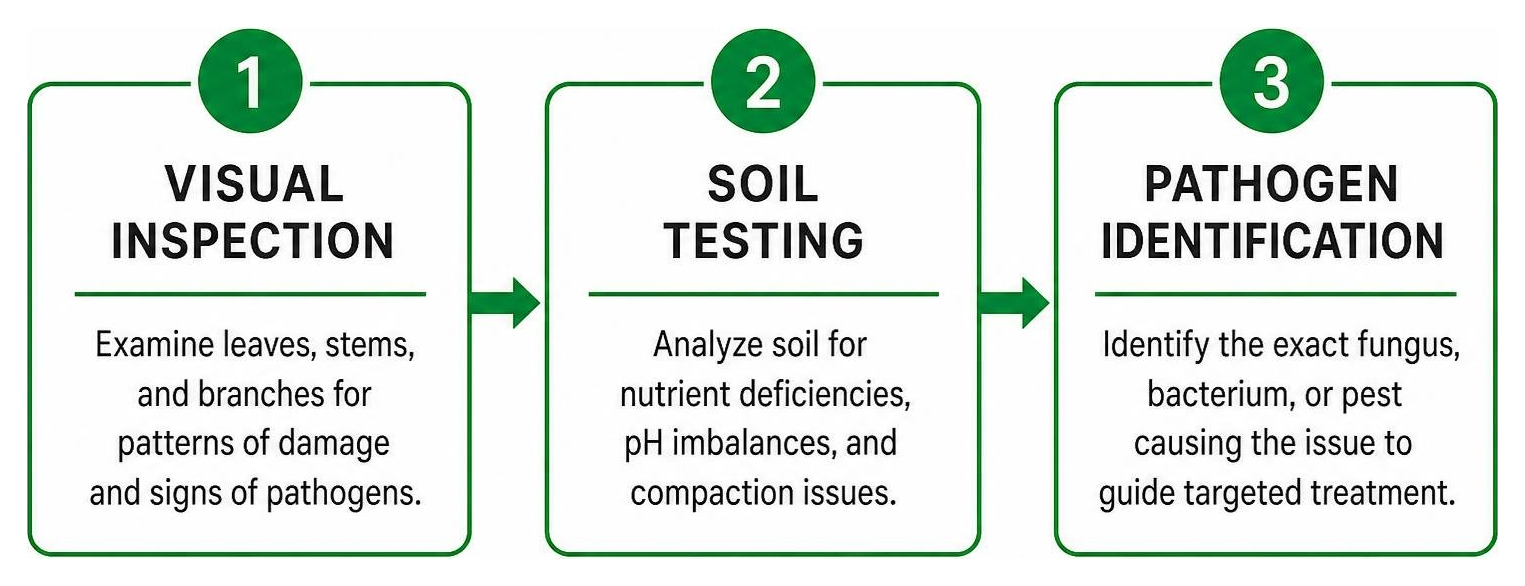
Our diagnostic process includes:
- Visual Inspection: We examine the pattern of damage on the leaves, stems, and branches. We look for specific signs of pathogens, such as fungal fruiting bodies or bacterial ooze.
- Soil Testing: We analyze the soil around the affected shrubs to check for nutrient deficiencies, pH imbalances, and compaction issues.
- Pathogen Identification: We identify the exact fungus, bacterium, or pest causing the issue. This ensures we do not use broad chemical sprays that could harm beneficial insects.
- Customized Treatment Plan: Based on our findings, we design a targeted plan that addresses both the pathogen and the environmental stressors weakening the plant.
Professional Treatment Options and Preventive Care
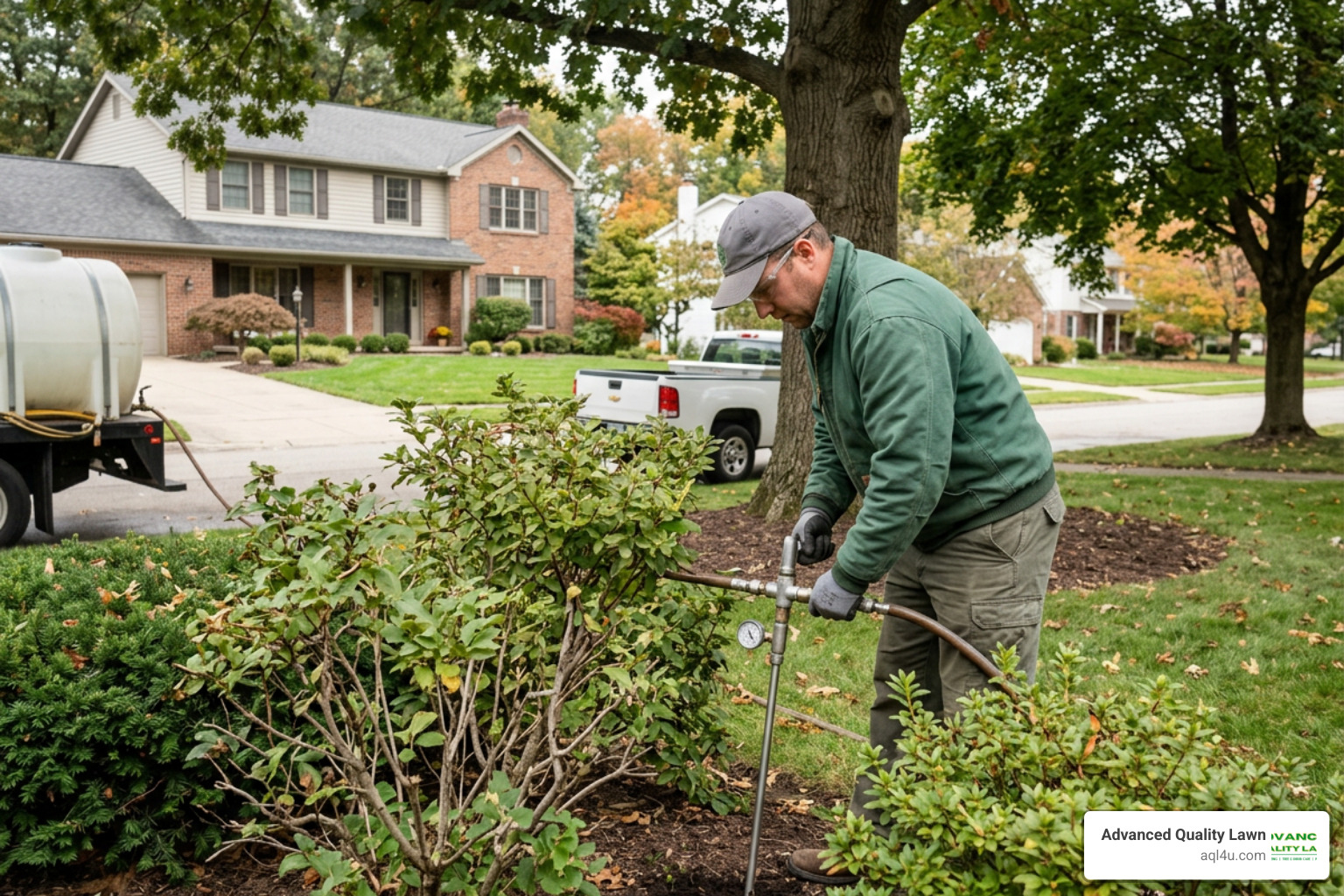
Treating active shrub diseases requires a combination of immediate therapeutic actions and long-term preventive care. We focus on suppressing pathogens while boosting the natural defenses of your plants. Our comprehensive Lawn Services Tree Shrub Care program is designed to do exactly that.
Some of the most effective professional treatment options we use include:
- Fungicides and Bactericides: We apply high-quality, targeted sprays to protect new growth from fungal spores and bacterial infections.
- Trunk Injections: For systemic diseases, we inject specialized treatments directly into the vascular system of the plant, delivering fast-acting protection where it is needed most.
- Deep Root Feeding: We inject a liquid blend of nutrients, slow-release fertilizers, and soil conditioners directly into the root zone to promote strong root systems and improve overall plant vigor.
- Sanitation: We carefully prune and remove diseased branches, and we clean up fallen leaves to eliminate overwintering spores. We always sanitize our tools between cuts to prevent spreading diseases from plant to plant.
- Proper Watering Practices: We advise homeowners to water deeply and infrequently, preferably using drip irrigation to keep the leaves dry.
- Mulching: We recommend applying 2 to 3 inches of organic mulch around your shrubs to retain moisture and regulate soil temperature, making sure to keep the mulch a few inches away from the stems to prevent rot.
Seasonal Maintenance and Inspection Frequency
Consistent seasonal care is the best defense against shrub diseases. Your landscape changes throughout the year, and so do the threats it faces.
In late winter and early spring, while your plants are still dormant, we focus on Tree Trimming and Pruning. Pruning dormant plants makes it easier to see their branching structure, and it reduces the risk of spreading active pathogens. This is also the perfect time to apply dormant oils, which suffocate overwintering pests like scale and mites before they can emerge and weaken your shrubs.
During the spring and summer, we focus on protection and monitoring. We apply preventive sprays before humid weather sets in, and we watch for early signs of leaf spot and powdery mildew. In the fall, we apply slow-release fertilizers to help your shrubs build up nutrients for the cold months ahead. Winter protection involves wrapping young, thin-barked plants to prevent sunscald and tying soft evergreen branches to protect them from heavy snow damage.
We recommend scheduling professional inspections at least once a year, but a multi-visit seasonal program is the most effective way to catch and treat issues before they become severe.
When to Call Akron Shrub Disease Pros Versus DIY Care
Many homeowners enjoy tackling basic yard work, but some situations require professional expertise. You can easily handle routine tasks like light pruning of healthy branches, raking up fallen leaves, and applying mulch.
However, you should call a professional if you notice:
- Rapidly spreading damage: If a shrub goes from healthy to half-dead in a matter of weeks, immediate professional intervention is required.
- Unidentified spots or growths: If you cannot confidently identify the cause of the issue, do not guess at the treatment.
- High-value or mature plants: Stately, mature shrubs are incredibly expensive to replace and are worth protecting with professional care.
- Vascular wilt or root issues: Diseases that affect the inner vascular system or roots cannot be cured with simple over-the-counter leaf sprays.
- Chemical application needs: Handling and applying professional-grade fungicides or trunk injections requires specialized training, licensing, and safety equipment.
Why You Need Akron Shrub Disease Pros for Your Landscape
Caring for ornamental shrubs requires specialized knowledge that goes beyond standard lawn mowing and weed control. While general lawn services are great for keeping your grass green, they often lack the diagnostic tools and training needed to manage complex plant pathogens.
| Service Feature | General Lawn Services | Specialized Shrub Pros |
|---|---|---|
| Primary Focus | Grass cutting, fertilization, weed control | Shrub health, disease diagnosis, pest management |
| Diagnostic Tools | Visual lawn assessment | Soil testing, pathogen identification, tissue analysis |
| Treatment Methods | Broad liquid or granular applications | Trunk injections, deep root feeding, targeted fungicides |
| Pruning Expertise | Basic shearing and shaping | Horticultural pruning for airflow and disease removal |
| Value Protection | Maintains neat appearance | Protects long-term plant health and property value |
Working with specialized professionals also helps you manage the costs of keeping your landscape healthy. For example, protecting your valuable trees and shrubs from systemic diseases in the Akron area averages about $55.58 per trunk injection, with a typical range of $54.80 to $56.35 per injection. Professional pruning and trimming services, which improve airflow and remove diseased wood, average $139.35 per hour for a skilled two-man crew, with a typical range of $124.50 to $154.20 per hour.
Investing in professional care protects your home's value. Research shows that properties with poor landscaping and unhealthy plants can experience up to a 30% decrease in property value. On the other hand, well-maintained, healthy trees and shrubs can increase your home's value by 3.5% to 15%.
For homeowners in Cuyahoga Falls, Stow, or Tallmadge, seeking local arborist expertise can provide peace of mind. You can learn more about regional plant health and tree care standards by visiting the Ohio State University Extension, which provides excellent resources for Northeast Ohio residents.
Frequently Asked Questions about Shrub Diseases
What is the average cost of protecting shrubs from disease in Akron?
The cost of protecting your shrubs depends on the size of your plants, the severity of the disease, and the treatment method used. On average, protecting trees and shrubs from disease using targeted trunk injections in Akron costs $55.58 per injection, with most treatments falling between $54.80 and $56.35. For structural pruning to remove diseased branches, you can expect to pay an average of $139.35 per hour for a two-man crew. Preventive multi-visit programs are often the most cost-effective option because they stop major outbreaks before they require expensive therapeutic treatments.
How does the local Akron climate affect shrub diseases?
Our local climate in Northeast Ohio creates a perfect environment for many plant pathogens. We experience wet, cool springs that allow fungal spores to multiply rapidly and splash onto new leaves. Our humid summers keep foliage wet for long periods, which encourages powdery mildew and leaf spot. Additionally, fluctuating winter temperatures can cause winter burn and frost cracks on stressed shrubs, creating open wounds where bacteria and fungi can enter.
Can a diseased shrub be saved?
Yes, in many cases, a diseased shrub can be saved if the problem is caught early. Fungal leaf infections like powdery mildew and leaf spot are highly treatable with professional fungicides, pruning, and deep root feeding. However, systemic diseases like advanced root rot or severe fire blight can be much harder to cure. If a plant is too severely damaged to be saved, we can help you safely remove it and recommend disease-resistant varieties to plant in its place.
Conclusion
Protecting your landscape from destructive diseases requires a proactive approach, proper timing, and specialized expertise. At Advanced Quality Lawn, we are dedicated to helping homeowners throughout Akron, Hudson, Medina, and the surrounding Northeast Ohio communities keep their greenery healthy and vibrant year after year. Our experienced team provides the targeted treatments and seasonal care your landscape needs to thrive.
Do not wait until your shrubs show severe signs of decay. Contact us today to set up a comprehensive care plan, and visit our core service page at https://aql4u.com/lawn-services/lawn-care-maintenance to learn how we can help you preserve the beauty and value of your property.