Your Ultimate Guide to the Best Way to Kill Ants in Lawn
Why Ant Infestations in Your Yard Are a Bigger Problem Than You Think

The best way to kill ants in yard depends on the type of ant and how bad the infestation is, but here is a quick answer to get you started:
The most effective yard ant control methods, ranked:
- Two-Step Method (broadcast bait + individual mound treatment) for fire ants: reduces mounds by 80 to 90 percent
- Granular baits spread across the whole yard: targets all colonies, including ones you cannot see yet
- Mound drenches using liquid insecticide: fast results on individual mounds
- Natural options like spinosad, diatomaceous earth, or boiling water: safer around kids and pets, slower to work
- Preventive treatments applied two to three times per year: keeps new colonies from taking hold
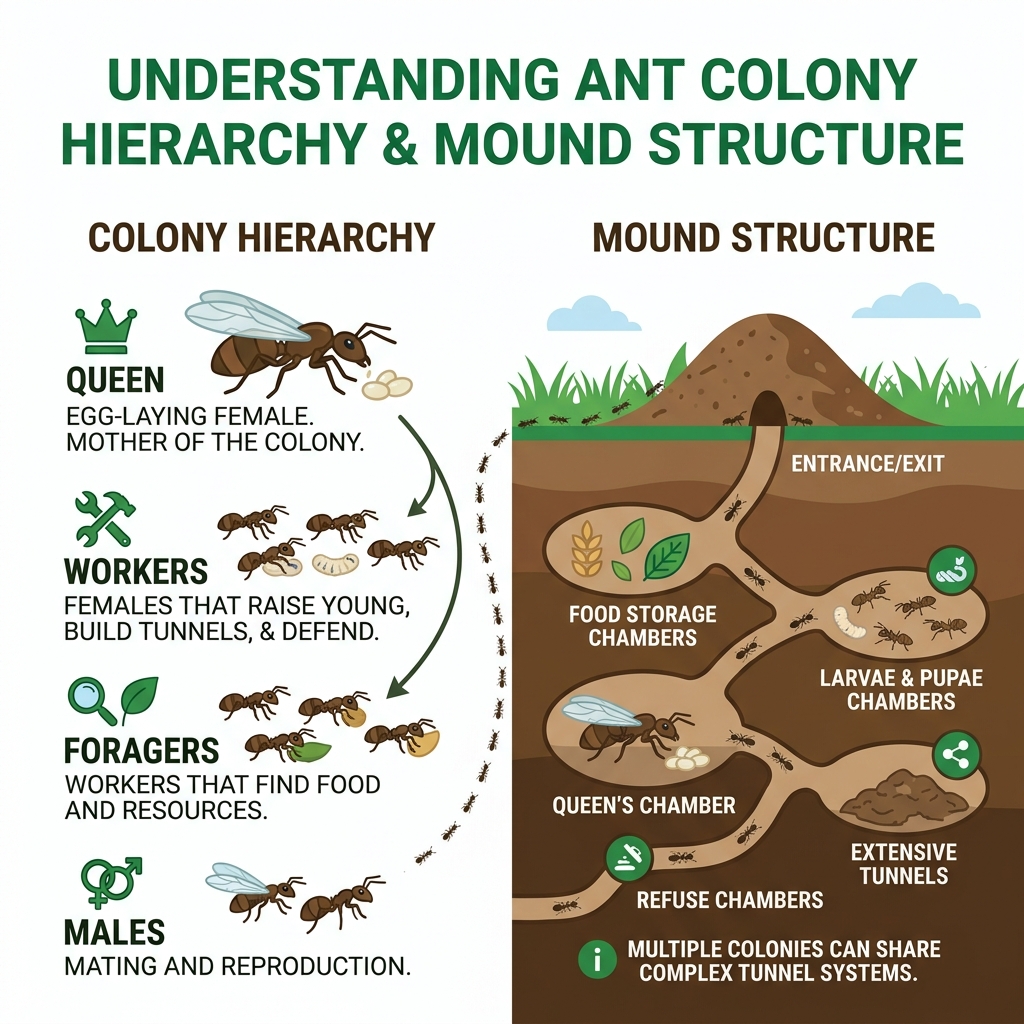
You step outside on a summer morning and the yard looks fine. Then you look closer. Mounds dot the lawn. Ants stream across the patio. And what started as one small colony has quietly grown into something much larger underground. A single fire ant colony can house up to 500,000 ants, with tunnels stretching far beyond what you can see from the surface. By the time mounds appear, the colony has often been active for months.
Ants are not just a nuisance. Fire ants sting. Some species damage plant roots. Others attract aphids that feed on your garden. Left untreated, ant populations across a single acre can reach tens of millions.
The good news? With the right approach, ant control is straightforward and affordable.
I'm Andrew Day, owner of Advanced Quality Lawn, and with over 30 years of lawn care experience serving Northeast Ohio homeowners, I have seen how fast ant problems escalate and which treatments actually deliver lasting results for the best way to kill ants in yard. The sections below will walk you through everything you need to know to take back your lawn.
Identifying Common Yard Ants and Infestation Signs
Before you can determine the best way to kill ants in yard, you need to know who you are fighting. In Northeast Ohio, we deal with a variety of species that each have different habits. Identifying them correctly ensures you use the right bait or treatment.
Common Ant Species in Our Region
While many people worry about fire ants, they are primarily a southern pest. However, their range is expanding, and they are known for their aggressive nature and painful stings. In our service areas like Akron, Hudson, and Medina, you are more likely to encounter these common neighbors:
- Pavement Ants: These small, dark brown ants love to build nests under driveways, sidewalks, and patio stones. They leave small sand-like mounds in the cracks of your pavement.
- Carpenter Ants: These are the big ones. They do not eat wood, but they hollow it out to create nests. If you see them in your yard, check your woodpiles, old stumps, or even the structure of your home.
- Garden/Field Ants: These are the standard ants that build small mounds in the grass. While they are mostly harmless, they can protect aphids which then damage your plants. You can learn more about these in our guide on common Ohio garden pests and how to get rid of them.
- Fire Ants: If you do spot these, be careful. They build large, dome-shaped mounds and will swarm if the nest is disturbed. Understanding the biology of fire ants is key because their colonies can have one queen or hundreds of queens, making them very hard to kill.
Signs of an Infestation
You might not see the ants themselves right away, but they leave plenty of clues. Look for these signs in your lawn:
- Mound Activity: Visible piles of dirt or sand are the most obvious sign. Even if you do not see ants on top, the colony is active below.
- Foraging Trails: Ants follow pheromone trails to food sources. If you see a steady line of ants moving across your grass or patio, they have found something tasty.
- Dead Patches of Grass: Some ants can disrupt the soil around roots so much that the grass begins to die or turn brown.
- Aphid Presence: If your garden plants are covered in tiny green bugs (aphids) and ants are crawling all over them, the ants are "farming" the aphids for their sweet honeydew.

The Best Way to Kill Ants in Yard Using the Two-Step Method
If you want the absolute best way to kill ants in yard, especially when dealing with aggressive species like fire ants, experts recommend the Two-Step Method. This approach is much more effective than just spraying a mound when you see it.
Step One: Broadcast Baits
Instead of hunting for every single mound, you treat the entire yard. We use a spreader to distribute granular bait across the lawn. The beauty of this method is that it targets all colonies, even the tiny ones you cannot see yet.
Worker ants find the bait and think it is food. They carry it back deep into the nest. Because these baits are slow-acting, the ants have time to feed it to the larvae and, most importantly, the queen. Once the queen dies, the colony collapses. Research shows that properly applied granular baits two to three times per year give 80 to 90 percent control.
Step Two: Individual Mound Treatments
Wait a few days after your broadcast treatment before moving to step two. If you still see large, active mounds in high-traffic areas like near a swing set or patio, you can treat them directly. This provides a "knockdown" effect for the ants that might have missed the bait.
For mound treatments, you can use:
- Liquid Drenches: Mixing insecticide with one to two gallons of water and soaking the mound.
- Dry Granules: Applying a concentrated amount of granules directly to the mound and watering them in.
Why Queen Elimination is Critical
You can kill thousands of worker ants, but if the queen survives, she will just lay more eggs. A fire ant queen can live for seven years or longer and lay hundreds of eggs every day. Effective ant control means killing the fire ant queens to ensure the colony does not just relocate a few feet away.
Cost and Professional Help
The cost for annual treatment using granular baits is relatively low, often around $25 to $35 per acre for the products alone. However, many homeowners find that our perimeter pest control is a better value because it protects the home and the yard at the same time.
| Treatment Type | How it Works | Best For | Effectiveness |
|---|---|---|---|
| Broadcast Bait | Whole-yard application where ants carry poison to queen | Long-term control for hidden colonies | 80-90% reduction |
| Mound Treatment | Direct application to visible nests | Fast results in specific areas | High for that mound only |
| Barrier Spray | Applied to foundation and yard edges | Keeping ants out of the house | Excellent for prevention |
Natural and Organic Solutions for a Healthy Lawn
We know that many of our neighbors in Cleveland, Solon, and Stow prefer to keep things as natural as possible, especially if they have young children or pets playing in the grass. While chemical treatments are often faster, there are several effective natural ways to manage ants.
Diatomaceous Earth (DE)
This is a fine powder made from tiny fossilized aquatic organisms. To us, it feels like flour, but to an ant, it is like walking over broken glass. It cuts through their exoskeleton and dehydrates them. For the best way to kill ants in yard naturally, sprinkle food-grade DE around ant trails and mounds. Just remember that it needs to be reapplied after it rains.
Spinosad
If you are looking for an organic-certified option that actually works, look for products containing spinosad. This is a natural substance made by a soil bacterium. It is very effective against ants but has a lower impact on beneficial insects like honeybees when used correctly. It is a great choice for vegetable gardens or flower beds.
Boiling Water and Dish Soap
This is the ultimate "old school" remedy. Pouring a large pot of boiling water mixed with a little dish soap into an ant mound can kill a large portion of the colony instantly. However, be careful! Boiling water will kill your grass just as fast as it kills the ants. Only use this on mounds in driveways or areas where you do not mind the vegetation dying.
Borax and Sugar
Ants love sugar. You can mix one part Borax with three parts powdered sugar and place it near ant trails. The ants eat the sweet mixture and take it back to the colony. Borax disrupts their digestive system. Like professional baits, this is a slow-acting poison that can eventually reach the queen.
Why Ants Can Be Destructive
While some ants are just a nuisance, others can actually harm your turf. If you are seeing your grass decline, you might want to read more about ants destroying lawn areas and how to spot the difference between ant damage and disease.
Frequently Asked Questions about Yard Ants
What is the best way to kill ants in yard without harming pets?
When pet safety is the top priority, we recommend using organic-certified products or specific natural baits. Spinosad-based baits are generally considered safe for pets once the product has dried or settled. You can also use food-grade diatomaceous earth, which is non-toxic if ingested in small amounts by dogs or cats. Always keep your pets inside while applying any treatment and wait for the recommended time on the label before letting them back out. For more tips on managing outdoor pests safely, check out our lawn pests section.
How long does the best way to kill ants in yard take to work?
Patience is key. While a mound drench might kill the ants you see within minutes, a broadcast bait treatment takes longer. Most professional-grade baits take between one to eight weeks to fully collapse a colony. This delay is intentional because it allows the workers to share the bait with the queen. If you use a product that kills too fast, the workers die before they reach the queen, and the colony survives. You can find more details on timing in this lawn ants FAQ.
Can boiling water effectively kill an entire ant colony?
Boiling water is a popular home remedy, but it is rarely 100 percent effective for large colonies. Ant nests can go several feet underground. The water often cools down before it reaches the lower chambers where the queen hides. While it might kill about 60 percent of the ants, the survivors will often just move the nest a few feet away. It is best used as a quick fix for small mounds in non-grassy areas. For a more permanent solution, professional pest control methods are usually required.
Conclusion
Finding the best way to kill ants in yard doesn't have to be a source of stress. Whether you choose the powerful Two-Step Method with granular baits or prefer to go the natural route with spinosad and diatomaceous earth, the secret is consistency. Treating your yard two to three times a year will prevent those massive colonies from ever taking hold in the first place.
At Advanced Quality Lawn, we understand the specific challenges that Northeast Ohio homeowners face. From the sandy soils of Portage County to the lush lawns of Cuyahoga and Summit Counties, we have spent decades perfecting our approach to pest and lawn management. We take pride in our excellent customer service and stand behind our work with full-program guarantees.
If you are tired of fighting an uphill battle against ants, or if you want to ensure your lawn stays healthy and pest-free all year long, we are here to help. We offer professional lawn care maintenance that takes the guesswork out of yard work.
Ready to take back your lawn? Give us a call today for a service consultation. We provide expert care across Northeast Ohio, including Akron, Hudson, Medina, and beyond. Let us help you create the beautiful, ant-free yard you deserve.