Protect Your Family with the Best Way to Kill Ticks in Yard
Understanding the Best Way to Kill Ticks in Yard via Perimeter Treatments
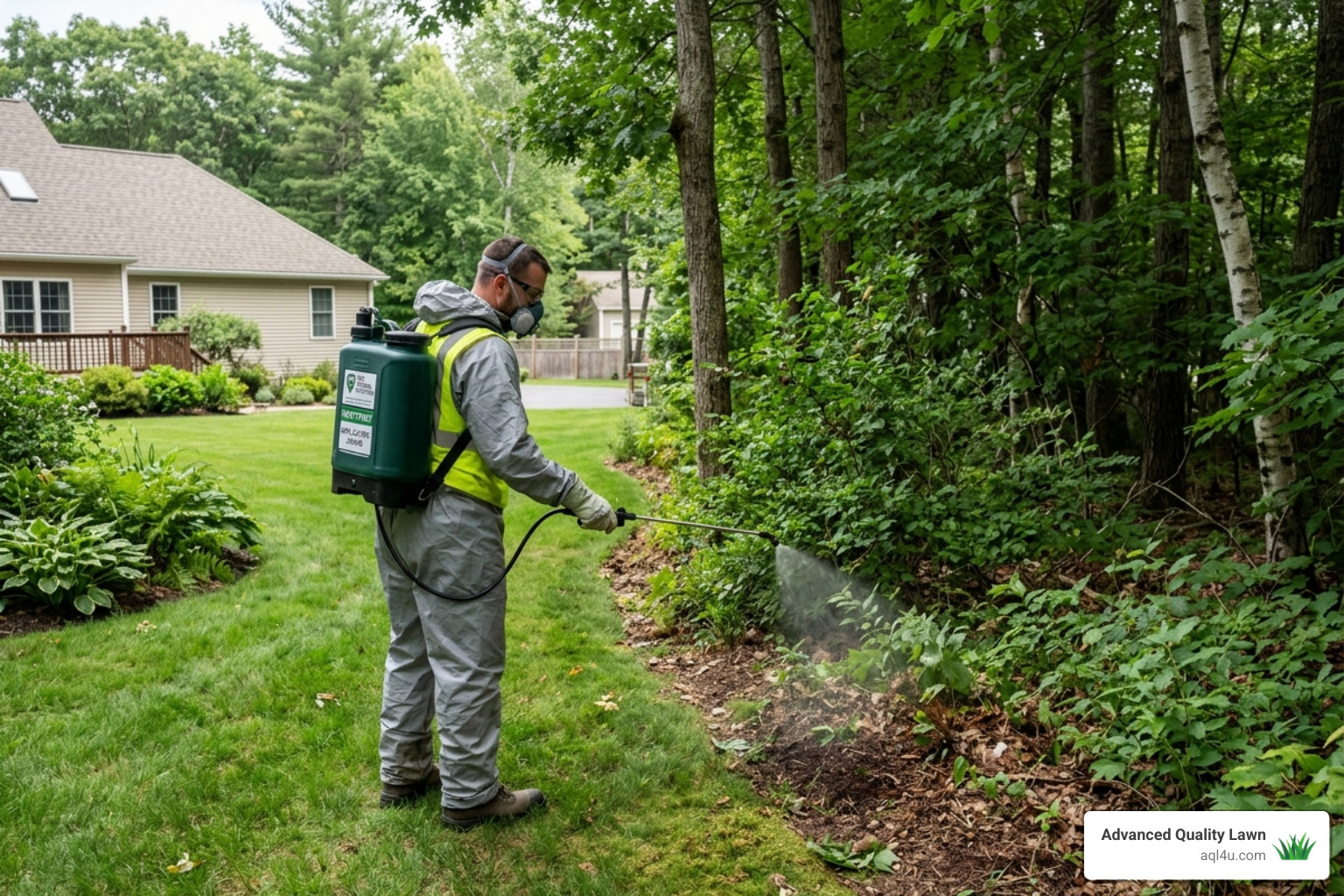
When we talk about the best way to kill ticks in yard settings, we have to look at where these pests actually live. Ticks are not like mosquitoes that fly through the air or ants that march across your kitchen floor. They are passive hitchhikers. They sit on the tips of low-lying vegetation and wait for a host to brush by.
Most homeowners make the mistake of treating their entire open lawn. However, research shows that 82% of blacklegged tick nymphs are found within the first 3 yards of the woodland perimeter. Ticks hate the sun and dry air found in the middle of a well-maintained lawn. They crave the high humidity and shade found in leaf litter and tall brush.
This is why perimeter spraying is so effective. By focusing our efforts on the transition zones where the woods meet the lawn, we can create a lethal barrier. This targeted approach is not only more effective but also more eco-friendly because it limits the amount of product used on your property. If you want to dive deeper into these methods, How To Kill Ticks in Your Yard offers great insights into why these zones matter so much.
Why Targeted Sprays are the Best Way to Kill Ticks in Yard
To truly eliminate these pests, we use specialized chemicals called acaricides. The two most common and effective active ingredients are bifenthrin and permethrin. These are synthetic versions of natural compounds found in chrysanthemum flowers.
These products are specifically designed to target the nymphal stage of the blacklegged tick. Nymphs are about the size of a poppy seed, making them nearly impossible to see. A professional application can reduce nymphal populations by as much as 80-90% in treated zones. These modern chemicals are quite impressive because they do not leach through the soil. Instead, they stay in the top few centimeters where ticks live and are eventually broken down by soil microorganisms.
For homeowners in Northeast Ohio, using a perimeter pest control service ensures that these products are applied at the correct concentration. You can learn more about how these treatments fit into a broader pest strategy by checking out the Tick Control in the Yard research from UW-Madison. Managing lawn pests requires a scientific approach to timing and product selection.
Application Methods for Maximum Effectiveness
The tool used for the job is just as important as the chemical inside it. While a hand-pump sprayer from a big-box store might work for a small flower bed, it often lacks the pressure needed to penetrate deep into thick brush or heavy leaf litter.
We use high-pressure sprayers to ensure the liquid formulations coat the underside of leaves and reach down into the thatch layer. We focus heavily on:
- Woodland edges and property lines
- Shady perennial beds
- Stone walls (which can have triple the tick density of other areas)
- Ground covers like pachysandra or Japanese barberry
- The base of shrubs and low-hanging branches
By saturating these specific "hotspots," we ensure that any tick waiting to quest for a host comes into contact with the treatment. This is far more effective than using granular products alone, as liquids provide better coverage on the vertical surfaces where ticks wait.
Landscaping Strategies for a Tick-Safe Zone
While sprays are the best way to kill ticks in yard areas quickly, landscaping is the best way to keep them away long-term. You can think of your yard as a battlefield where the goal is to eliminate the enemy's cover. If you make your yard a hot, dry, and sunny place, ticks simply cannot survive there for long.
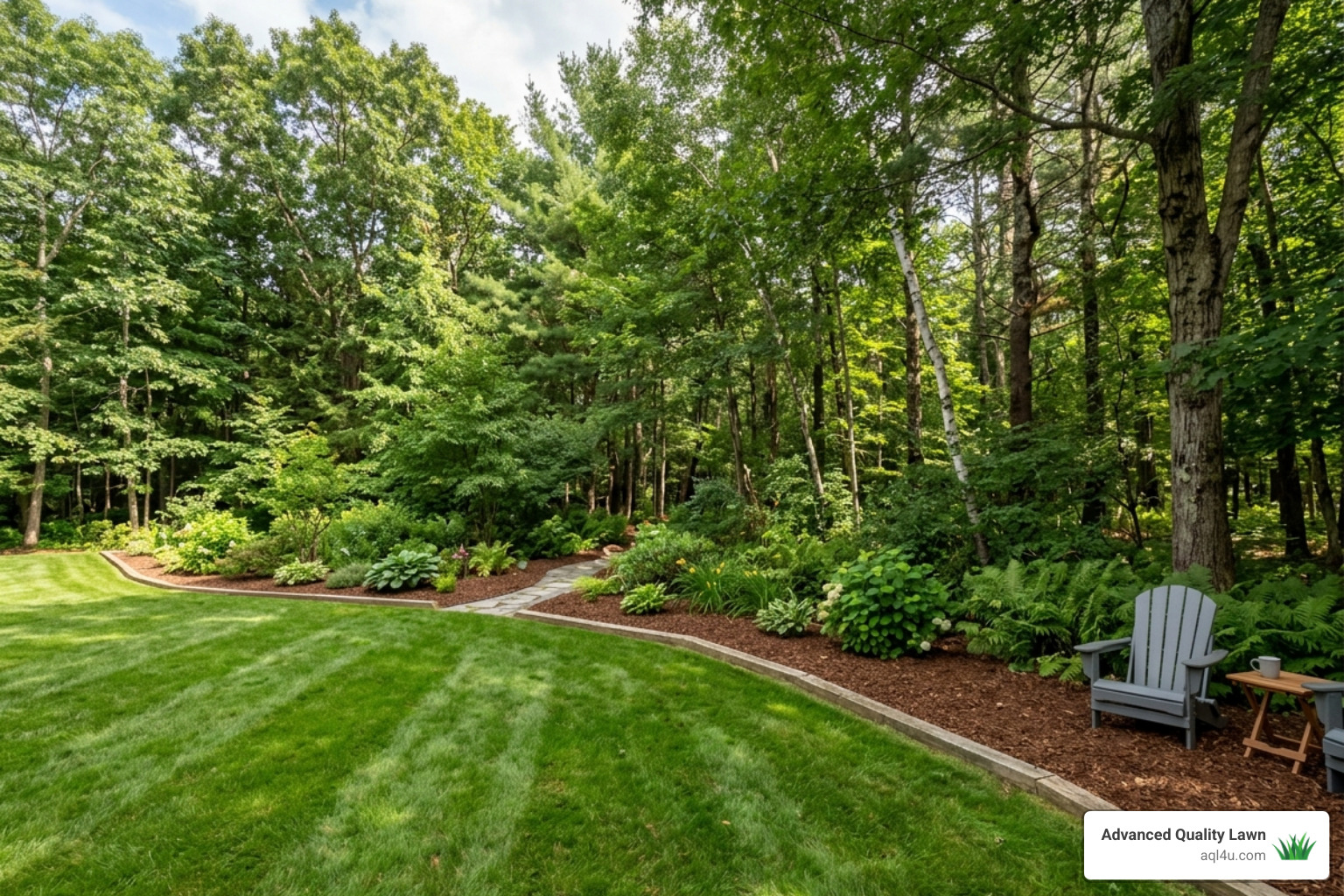
Habitat modification is a fancy term for cleaning up your yard. Ticks need moisture to breathe. When you remove their hiding spots, they dry out and die. This involves more than just picking up a few sticks. It means intentionally designing your landscape to be a "tick-safe zone."
| Mulch Type | Tick Deterrence Level | Best Use Case |
|---|---|---|
| Dry Wood Chips | High | Perimeter barriers between lawn and woods |
| Gravel/Stone | Very High | High-traffic areas and playground borders |
| Damp Shredded Bark | Low | Flower beds (can actually hold too much moisture) |
| Pine Bark Nuggets | Medium | Large landscape beds |
Mowing and Maintenance as the Best Way to Kill Ticks in Yard Habitats
One of the simplest things you can do is keep your grass mowed. While some studies suggest that mowing height alone doesn't eliminate every tick, it certainly reduces the humidity at the soil level. We recommend keeping your lawn around 3 inches tall.
Sunlight is a natural enemy of the blacklegged tick. By trimming back low-hanging tree branches and thinning out dense shrubbery, you allow more UV light to reach the ground. This helps get rid of pests by making the environment inhospitable. If you let your grass grow into a hayfield, you are essentially rolling out the red carpet for every lawn pest in the neighborhood.
Creating Physical Barriers Against Tick Migration
Ticks don't run or jump, but they can crawl. A great way to stop them from migrating from the woods into your play area is to install a physical barrier. A three-foot wide path of dry wood chips or gravel serves as a "no-man's land."
Ticks are very sensitive to dry surfaces. When they try to cross a wide stretch of hot, dry mulch, they often turn back or perish before reaching the lawn. This barrier also serves as a visual reminder for children and pets to stay within the safe zone of the yard. Keeping ticks on the other side of that line is a major victory in yard safety.
Host-Targeted Controls and Natural Alternatives
To be truly thorough, we have to look at the animals that bring ticks into your yard. White-footed mice are the primary reservoir for Lyme disease. Ticks pick up the bacteria from the mice, not the other way around.
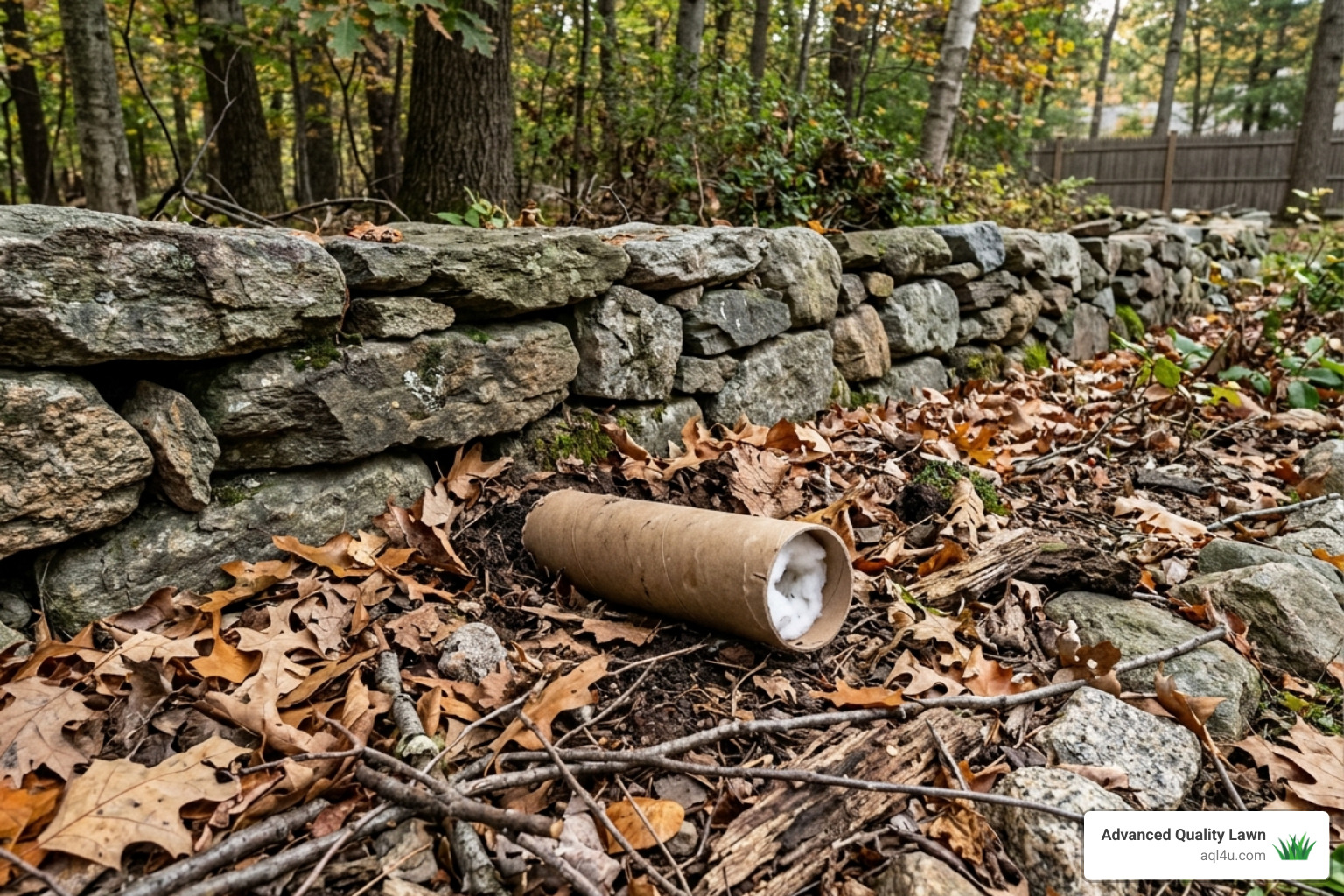
Tick tubes are a clever way to handle this. These are biodegradable tubes filled with cotton that has been treated with permethrin. Mice collect the cotton to line their nests. The chemical doesn't hurt the mice, but it kills any ticks living on them or in their nests. This stops the cycle of disease at the source.
Other host-targeted methods include:
- Deer Fencing: An 8-foot fence can reduce nymph populations by up to 84% by keeping the primary transport for adult ticks out.
- Rodent Management: Stacking wood neatly in dry, sunny areas discourages mice from nesting near your home.
- Natural Fungus: Some organic programs use Metarhizium fungi, which occur naturally in soil and can infect and kill ticks.
- Essential Oils: Products containing cedar or peppermint oil can repel ticks, though they typically require much more frequent application than traditional acaricides.
For those interested in a holistic approach, the Protecting Your Yard guide from Harvard provides excellent details on how these methods work together.
Frequently Asked Questions about Yard Tick Control
When is the optimal time to apply tick treatments?
Timing is everything. In Northeast Ohio, we generally recommend a three-application approach for the best results.
The most critical application happens in late spring, usually mid-May to early June. This is when the nymphal ticks emerge. Because they are so small and carry so much disease, killing them now is the best way to kill ticks in yard spaces before the summer heat hits. A second application in mid-summer helps maintain the barrier, and a final fall application in October targets adult ticks before they lay eggs for the next season. Using the best insect control for lawns at these specific intervals ensures year-round protection.
Are chemical tick treatments safe for kids and pets?
This is the question we hear most often. The products we use are EPA-registered and have undergone rigorous testing. The most important safety rule is the "dry rule."
Once the spray has completely dried on the vegetation, it is safe for children and pets to return to the area. This usually takes between 12 and 24 hours, depending on the humidity and sunlight. We always recommend reading the label, but generally, these products are used in very low concentrations that are designed to affect small invertebrates like ticks, not mammals. Working with a professional pest control service ensures that the right amount of product is used in the right places.
How long do professional tick treatments last?
A high-quality tick treatment typically provides a residual effect that lasts about four to six weeks. However, heavy rain or extreme weather can shorten this window.
Because ticks have a complex life cycle, a single spray is rarely enough for the whole year. We find that a consistent program of reapplication every 4-6 weeks during the active season is the most reliable way to keep the population down. This consistent weed and pest removal strategy ensures that as new ticks are brought in by wildlife, they are quickly eliminated.
Conclusion
Protecting your family from ticks doesn't have to be a source of constant stress. By combining smart landscaping with targeted professional treatments, you can dramatically reduce the risk of tick-borne illness right in your own backyard.
At Advanced Quality Lawn, we've spent decades perfecting the best way to kill ticks in yard environments across Northeast Ohio. Whether you are in Akron, Hudson, or Medina, our team of licensed applicators is ready to help you reclaim your lawn. We offer full-program guarantees and excellent customer service to ensure your peace of mind.
If you are ready to make your yard a safe zone again, contact us today for a service call. Let's work together to keep your family and pets safe all season long with a comprehensive lawn-care-maintenance plan that puts safety first.