Why Choosing the Best Fertilizer for New Grass Seed in Fall Makes All the Difference
The best fertilizer for new grass seed in fall is a high-phosphorus starter fertilizer with an NPK ratio like 12-24-8 or 18-24-12, applied just before or right after seeding when soil temperatures are between 55°F and 70°F.
Quick answer at a glance:
| Priority | What to Look For |
|---|---|
| Fertilizer type | Starter fertilizer (not regular lawn food) |
| Best NPK ratio | 12-24-8 or 18-24-12 |
| When to apply | Late August through mid-October |
| Soil temp | 55°F or above |
| Application rate | 0.5 to 1 lb of nitrogen per 1,000 sq ft |
Here is something worth knowing: 64% of homeowners say their neighbor has the best lawn on the block. Only 28% feel proud of their own. If your lawn looks thin and patchy every spring, the fix likely starts in fall and with the right fertilizer.
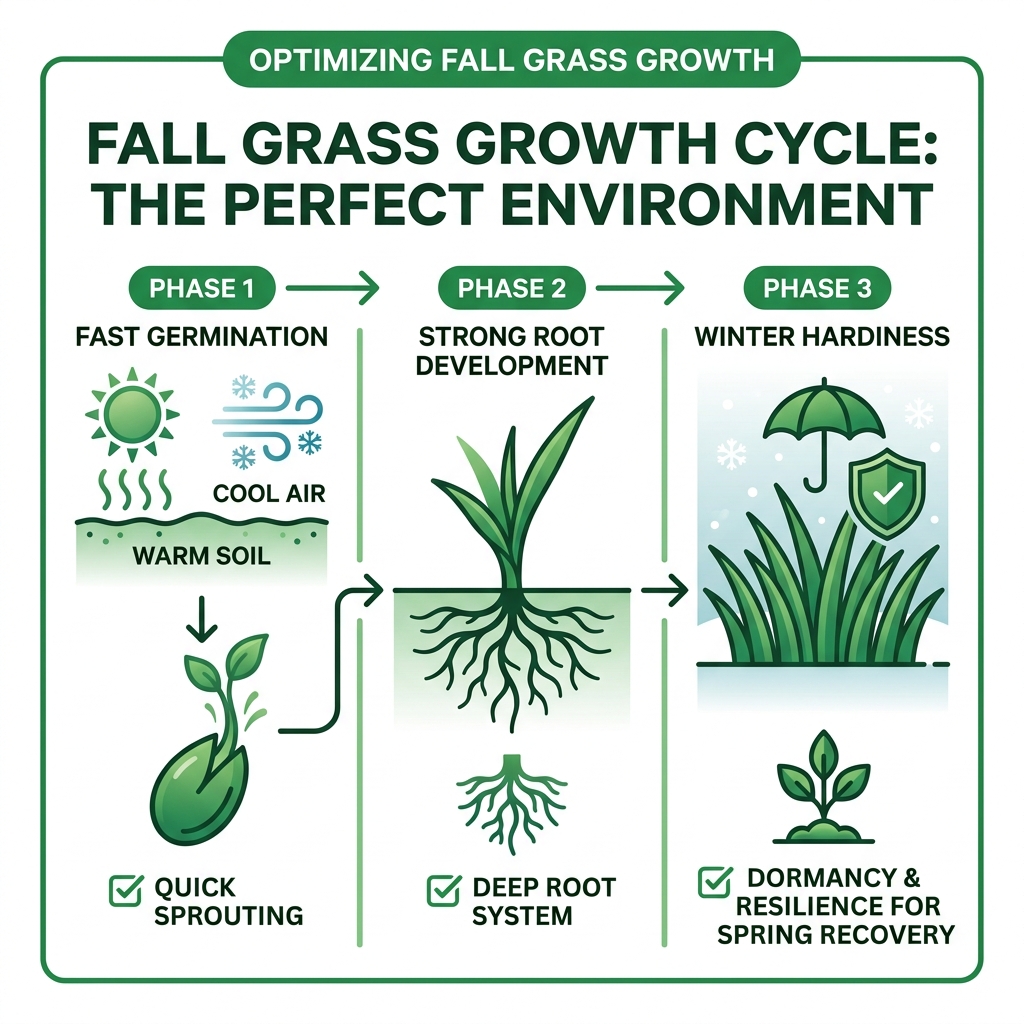
Fall gives new grass seed the best possible conditions. The soil is still warm from summer, air temperatures are cooling down, and weeds like crabgrass are going dormant. That combination means your new seed can germinate fast and put down strong roots before winter sets in.
But seeding alone is not enough. Without the right fertilizer, your new grass seedlings struggle to develop the root system they need to survive cold weather and bounce back green in spring.
I'm Andrew Day, owner of Advanced Quality Lawn, and with over 30 years of experience helping Northeast Ohio homeowners establish and maintain healthy lawns, I've seen how the right fall fertilizer can mean the difference between a lawn that thrives and one that barely survives winter. Choosing the best fertilizer for new grass seed in fall is one of the most important decisions you'll make for your lawn all year.
Why Fall is the Best Time for Planting New Grass
If you are looking to fix bare spots or start a brand new lawn in Northeast Ohio, timing is everything. While many people think of spring as the time for planting, fall is actually the MVP of the seeding season. In our region, including areas like Hudson, Medina, and Cuyahoga Falls, the transition from summer to autumn creates a perfect "Goldilocks" environment for grass.
The Magic of Warm Soil and Cool Air
During the fall, the ground is still holding onto the heat of the summer sun. This warm soil (ideally between 55 and 70 degrees) acts like a heating pad for your seeds, encouraging them to wake up and germinate quickly. Meanwhile, the air temperatures are dropping into the 60s and 70s. This cool air is less stressful for young grass blades than the scorching heat of July.
When you plant in the fall, your grass does not have to fight off aggressive summer weeds like crabgrass, which are starting to die back. Instead, the new seedlings can focus all their energy on root development. Strong roots are the secret to a lawn that can survive a harsh Ohio winter and come back thick and green in the spring.
Preparing for Winter Survival
Cool-season grasses like Kentucky bluegrass and tall fescue are the standard for our local climate. These varieties thrive when they have a few months of moderate weather to establish themselves. By seeding in the fall and using the best fertilizer for new grass seed in fall, you are essentially giving your lawn a "training camp" period. This preparation allows the grass to store up food reserves in its roots, which it will use to survive the frozen months ahead. For more detailed advice on seasonal care, check out our fall-lawn-care-tips to ensure your yard is ready for the change in weather. You can also find additional insights on Fall Lawns: Seed & Fertilizer - Natural Alternative to see why professional timing matters so much.

Choosing the Best Fertilizer for New Grass Seed in Fall
Not all fertilizers are created equal. If you walk into a big-box store in Akron or Cleveland, you will see rows of bags labeled "Lawn Food" or "Winterizer." While those are great for established grass, they are not the best fertilizer for new grass seed in fall. New seeds have very specific nutritional needs that regular maintenance fertilizers simply do not meet.
The Importance of Phosphorus
The biggest difference between a "starter" fertilizer and a "regular" fertilizer is phosphorus. Phosphorus is the nutrient responsible for root growth. Established lawns often do not need much extra phosphorus, but brand new seedlings need it immediately to anchor themselves. In fact, many states have laws restricting phosphorus use on established lawns to protect water quality, but they almost always make an exception for new seed because it is so vital for establishment.
Why Soil Testing and pH Levels Matter
Before you spread a single grain of fertilizer, we highly recommend a soil test. This is especially true in Northeast Ohio, where our soil can often be quite acidic. Grass generally prefers a pH between 6.0 and 7.0. If your soil pH is below 5.5, the grass cannot properly "eat" the nutrients you are providing, no matter how much fertilizer you apply.
A soil test tells you exactly what is missing. It might show that you have plenty of phosphorus but are low on potassium, or that you need a lime application to balance the acidity. Adjusting your soil based on facts rather than guesswork is the professional way to ensure your new seed succeeds. You can learn more about how nutrients work in our guide to fertilizer-101-what-is-it-and-when-should-you-use-it. For a list of top-rated products, see the Best Fertilizers for Fall Seeding.
Understanding NPK Ratios for the Best Fertilizer for New Grass Seed in Fall
When you look at a fertilizer bag, you will see three numbers (like 12-24-8). These represent Nitrogen (N), Phosphorus (P), and Potassium (K).
- Nitrogen (N): This helps the grass grow green and tall. While important, too much nitrogen too early can cause the grass to grow "top-heavy" before the roots are ready.
- Phosphorus (P): This is the middle number and the star of the show for new seed. It builds the "engine" of the plant (the roots).
- Potassium (K): This builds "stamina" and hardiness, helping the grass resist disease and cold weather stress.
For fall seeding, we often look for ratios like 12-24-8 or 18-24-12. These provide a massive boost of phosphorus to get those roots moving. In some cases, a 24-24-0-fertilizer might be recommended if your soil already has high potassium levels but needs a serious jumpstart in nitrogen and phosphorus.
Starter vs Regular Options for the Best Fertilizer for New Grass Seed in Fall
The primary goal of a starter fertilizer is to provide quick-release nitrogen and high phosphorus. Regular fall fertilizers, often called "Winterizers," usually have high nitrogen and high potassium to help established grass recover from summer.
One critical mistake to avoid is using a "Weed and Feed" product when seeding. Most weed killers (herbicides) are designed to stop seeds from germinating. If you apply a standard weed control product along with your new grass seed, you will likely kill the grass before it even has a chance to sprout. Always stick to products specifically labeled as "Starter Fertilizer" or "Built for Seeding." You can find more information on how to time these applications correctly at How to Choose a Lawn Seed and Fertilizer Schedule - Lowe's.
Application and Maintenance for New Seedlings
Once you have selected the best fertilizer for new grass seed in fall, the next step is getting it onto the lawn correctly. Proper application is just as important as the product itself.
Soil Preparation
You cannot just throw seed and fertilizer on top of hard, compacted ground and expect a golf-course finish. For the best results, you need to ensure "seed-to-soil contact."
- Remove Debris: Rake away dead grass, rocks, and sticks.
- Loosen the Soil: Use a rake to loosen the top 2 inches of soil. If your ground is very hard, you might need to look into core-aeration-overseeding. Aeration pulls small plugs of soil out of the ground, allowing air, water, and fertilizer to reach the root zone.
- Level the Area: Fill in low spots with a bit of topsoil or compost.
Spreading the Fertilizer
We recommend using a broadcast spreader for even distribution. For new grass, you generally want to apply fertilizer at a rate of 0.5 to 1 pound of nitrogen per 1,000 square feet. Most starter fertilizers will have a setting listed on the bag for your specific spreader.
Walk at a steady pace and be sure to overlap your passes slightly to avoid "striping," where some areas get too much fertilizer and others get none. If you have any leftover granules on your driveway or sidewalk, sweep them back onto the grass to prevent them from washing into the storm drains.
Proper Watering and Mowing Techniques
Your work is not done once the fertilizer is down. The first few weeks are the most critical time for your new lawn.
- Watering: New seeds need to stay moist but not soaked. We suggest watering twice daily for about 5 to 10 minutes each time. Use a fine spray so you do not wash the seeds away. Once the grass is about 2 inches tall, you can transition to watering more deeply but less frequently.
- Mowing: It is tempting to mow as soon as you see green, but patience is key. Wait until the new grass is about 3 to 4 inches tall before its first haircut. Set your mower to a high setting (around 3 inches) and make sure your blades are sharp. Dull blades can pull the young, tender seedlings right out of the ground.
- Avoid Compaction: Keep kids, pets, and heavy equipment off the new seedlings for at least a month. Even as little as a quarter-inch of compacted soil can hinder a young plant's health. For more tips on keeping your yard in top shape through the season, visit our fall-yard-maintenance page.
Frequently Asked Questions about Fall Seeding
When exactly in fall should I apply starter fertilizer and seed?
In Northeast Ohio, the ideal window is between late August and mid-October. You want to get the seed in the ground while the air temperature is between 60 and 80 degrees and the soil is at least 55 degrees. This gives the grass enough time (usually 6 to 8 weeks) to establish itself before the first hard frost. If you wait until November, the ground may be too cold for the seeds to germinate.
Can I overseed an existing thin lawn in fall?
Yes! Fall is the perfect time for overseeding. To do this properly, mow your existing lawn a bit shorter than usual (about 2 inches) and bag the clippings. This allows the new seed to reach the soil. Following up with a starter fertilizer will feed both the new seedlings and your existing grass, helping the whole lawn thicken up. Core aeration is highly recommended before overseeding to give the new seeds a cozy place to grow.
How often should I water new grass seed after fertilizing?
Consistency is the secret. You should water twice daily—once in the morning and once in the late afternoon—for about 5 to 10 minutes. The goal is to keep the top inch of soil damp. You will likely need to follow this schedule for about three weeks or until the grass is tall enough to mow. If the weather is particularly windy or hot, you might need a third light watering to prevent the seeds from drying out.
Conclusion
Creating a beautiful lawn does not have to be a mystery. By choosing the best fertilizer for new grass seed in fall and following a few simple steps for preparation and watering, you can turn your "neighbor envy" into genuine pride. The effort you put in during September and October will pay off with a lush, green carpet come April.
At Advanced Quality Lawn, we are proud to serve our neighbors throughout Northeast Ohio, from Hudson and Stow to Medina and Solon. We understand the unique challenges of our local soil and climate. Whether you need help with a full fertilization program, core aeration, or just some expert advice, we are here to help. We offer full-program guarantees and excellent customer service to ensure you get the results you deserve.
If you are ready to give your lawn the professional touch it needs this fall, contact us today. We provide reliable Advanced Quality Lawn Services across Summit, Cuyahoga, and surrounding counties. Let us help you grow a lawn you can truly be proud of!