
The Art of War: Controlling Crabgrass Before It Controls You
Understanding the Enemy: Identification and Life Cycle
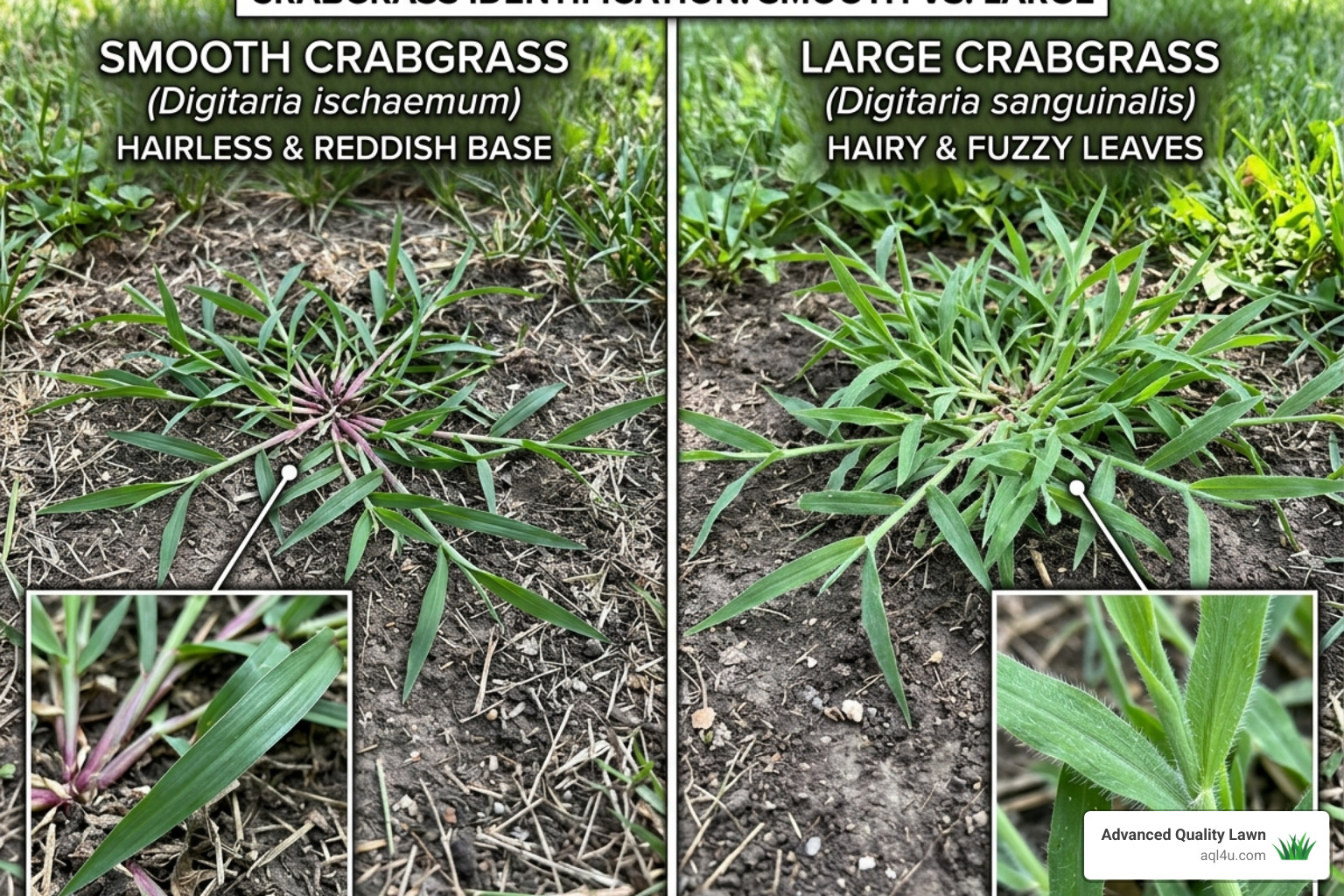
To defeat crabgrass, you must first understand how it thinks and grows. In Northeast Ohio, we primarily deal with two types: smooth crabgrass and large (or hairy) crabgrass. While they look slightly different, they both follow the same destructive path across your lawn.
Smooth Crabgrass
Smooth crabgrass is often the most prevalent in our region. It has a hairless leaf and often features a distinct purple or reddish tint at the base of the stem. It grows in a prostrate, star-like pattern, hugging the ground to avoid mower blades.
Large Crabgrass
As the name suggests, this variety can get quite big if left unchecked. The leaves are covered in fine hairs, giving it a fuzzy appearance. Like its smooth cousin, it spreads via tillers that can root at the nodes, allowing one single plant to colonize a large area of bare soil quickly.
The 150,000 Seed Problem
The most terrifying statistic in lawn care is that a single, healthy crabgrass plant can produce up to 150,000 seeds. These seeds are incredibly resilient. Research shows they can remain viable in the soil for three or even seven years, waiting for a gap in your turf and a bit of sunlight to trigger germination. This is why we often say that one year of seeding equals seven years of weeding.
Germination Triggers and Soil Temperature
Crabgrass is a C4 plant, meaning it loves the heat. While our Kentucky Bluegrass and Fescues start to slow down in the July sun, crabgrass is just getting started. However, the clock starts much earlier.
The magic number for germination is 55 degrees Fahrenheit. When soil temperatures at a depth of one to two inches hit 55 degrees for three to five consecutive days, the first seeds begin to stir. In Akron and surrounding areas like Hudson or Stow, this usually happens in late April or early May. If you want to dive deeper into how these weeds behave, you can read more about Crabgrass management in lawns.
Cultural Strategies for Natural Crabgrass Control for Lawns
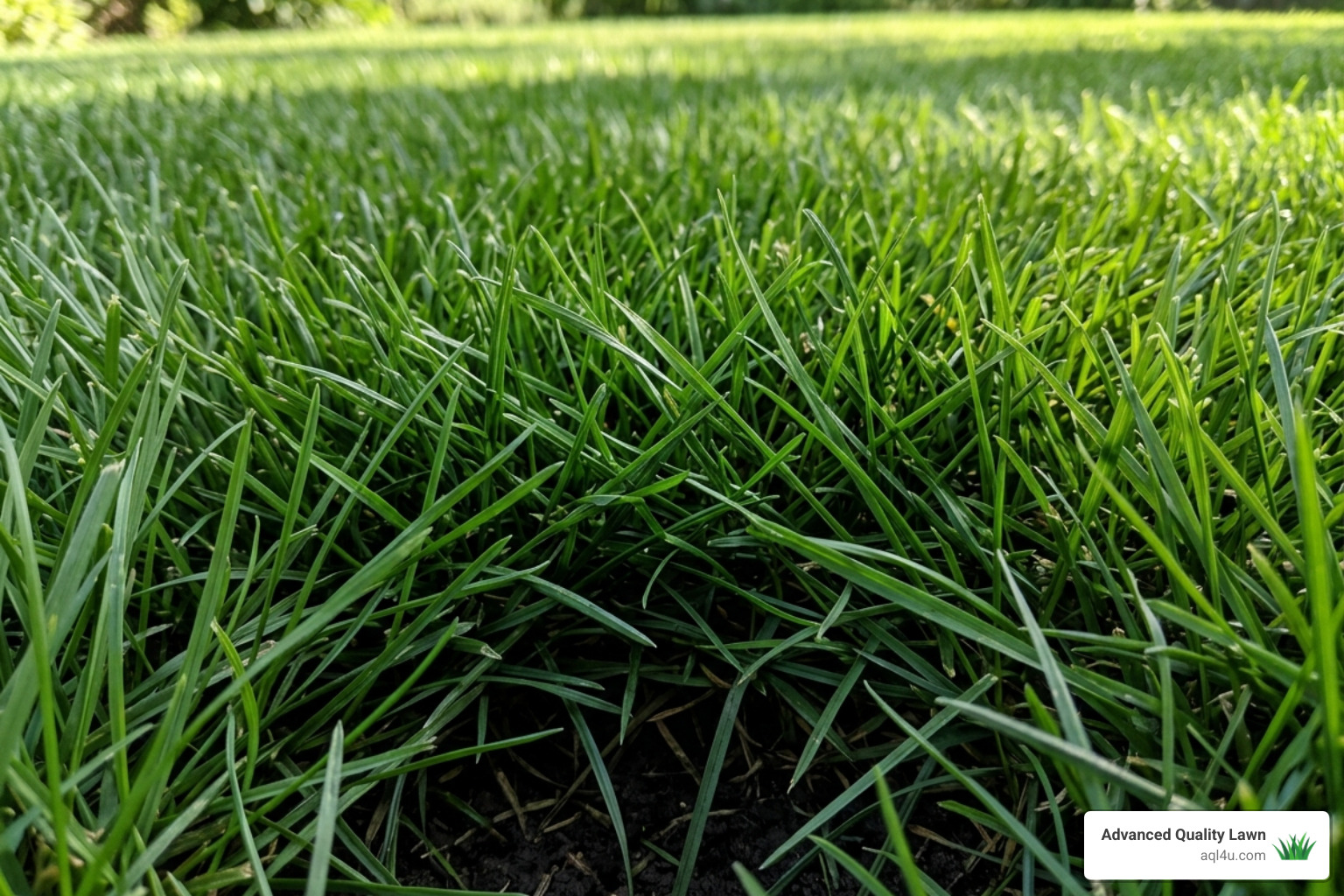
Many homeowners believe that crabgrass control for lawns only comes in a bag or a bottle. That is a mistake. The strongest weapon in your arsenal is actually your lawnmower. Crabgrass is an opportunistic weed; it only grows where there is room for it. A thick, healthy lawn is the ultimate defense because it physically blocks the sunlight that crabgrass seeds need to germinate.
Mowing Height: Your Secret Weapon
We recommend setting your mower to at least 3 inches, and preferably 3.5 to 4 inches during the summer months. Taller grass does two things. First, it creates a deep canopy that shades the soil, keeping it cooler and darker, which prevents weed seeds from waking up. Second, it encourages deeper root growth for your desirable grass, making it more resistant to the drought conditions that crabgrass thrives in.
Deep Irrigation
Watering your lawn every day for ten minutes is one of the best ways to grow a bumper crop of crabgrass. Light, frequent watering keeps the top layer of soil moist, which is exactly where crabgrass seeds are waiting. Instead, water deeply and infrequently. Aim for one inch of water per week, delivered in one or two long sessions. This forces your grass roots to grow deep into the soil while the surface stays dry enough to discourage new weed sprouts.
If you are struggling with other invaders alongside crabgrass, check out our Weeds category for more specific advice.
| Strategy | Cultural Method | Chemical Method |
|---|---|---|
| Primary Goal | Thicken turf to shade out seeds | Create a chemical barrier or kill plants |
| Timing | Year-round maintenance | Specific windows (Spring/Summer) |
| Cost | Low (proper mowing/watering) | Moderate (product and equipment) |
| Effectiveness | High long-term prevention | High immediate control |
| Safety | 100% safe for pets/kids | Requires drying time |
The Role of Mowing in Crabgrass Control for Lawns
One of the most important rules in lawn care is the one-third rule. Never remove more than one-third of the grass blade in a single mowing. If you scalp your lawn, you are essentially opening the door and inviting weeds in. Scalping stresses the grass and exposes the soil to direct sunlight. Maintaining high turf density through consistent, high mowing is the foundation of weed prevention.
Overseeding and Fertilization Tactics
A thin lawn is a playground for crabgrass. We suggest overseeding in the fall to fill in any bare spots before the next spring arrives. Fall is also the best time for heavy fertilization. By applying nitrogen in September and November, you strengthen the root system of your cool-season grass so it can come out swinging in the spring. For a full breakdown of how to manage these cycles, see our Ultimate weeds and crabgrass guide.
The Chemical Arsenal: Pre-emergent and Post-emergent Solutions
When cultural practices are not enough, we turn to science. In crabgrass control for lawns, products fall into two categories: pre-emergents (preventers) and post-emergents (killers).

Active Ingredients to Look For
When shopping for products, do not just look at the brand name. Look at the active ingredients.
- Pendimethalin or Prodiamine: These are the gold standards for pre-emergent control. They create a vapor barrier in the soil that stops the tiny root of a germinating seed.
- Quinclorac: This is the heavy hitter for post-emergent control. It is highly effective at killing crabgrass that has already sprouted without harming your grass.
- Fenoxaprop-p-ethyl: Another excellent selective herbicide found in products like BioAdvanced Crabgrass Killer, which is safe for Fescue and Bluegrass.
To find the right fit for your specific grass type, you can browse our guide on the best herbicide for crabgrass or learn about professional crabgrass removal.
Applying Pre-emergent Crabgrass Control for Lawns
Timing is everything. If you apply a preventer after the crabgrass has sprouted, you have wasted your money. Most people use the "Forsythia Rule." When those bright yellow bushes in your neighborhood start to drop their blooms, that is nature's way of telling you the soil is warming up to 55 degrees.
Once applied, these products must be watered in with about a half-inch of water to activate the chemical barrier. Without water, the product just sits on the blades of grass and eventually breaks down in the sun. Be careful, though; most preventers will also stop your new grass seed from growing. If you plan to seed in the spring, check our crabgrass preventer safe seeding guide.
Post-emergent Treatment for Existing Weeds
If you missed the spring window and now have "crab-like" clusters in your lawn, you need a post-emergent. These work best when the plant is young, specifically in the one to four tiller stage. Once a plant gets huge and starts producing seed heads in August, it becomes much harder to kill.
Some products, like Roundup for Lawns Crabgrass Destroyer (which uses Topramezone), cause a "bleaching effect" where the weed turns white before it dies. This is a great visual indicator that the medicine is working. For more tips on tackling these survivors, read about the best way to get rid of crabgrass.
Regional Timing and Safety Precautions for 2026
Living in Northeast Ohio means we have a very specific window for crabgrass control for lawns. Our proximity to Lake Erie can cause soil temperatures to fluctuate wildly in April. In places like Cleveland or North Royalton, the lake effect might keep your soil cool while someone further south in Medina or Canton is already seeing germination.
Safety First
As a family-owned business, we know that your lawn is where your kids and pets play. When using any chemical product, the most important rule is to keep everyone off the grass until it is completely dry. For granular products, this usually means waiting until they have been watered in and the lawn has dried. Always read the label; it is the law and your best safety guide.
For our 2026 season, we recommend keeping a close eye on local weather stations for soil temperature readings. You can also find great regional advice on how to control crabgrass from university extensions.
Common Mistakes to Avoid in Your Weed Management Plan
Even with the best intentions, things can go wrong. Here are the most common errors we see in the field:
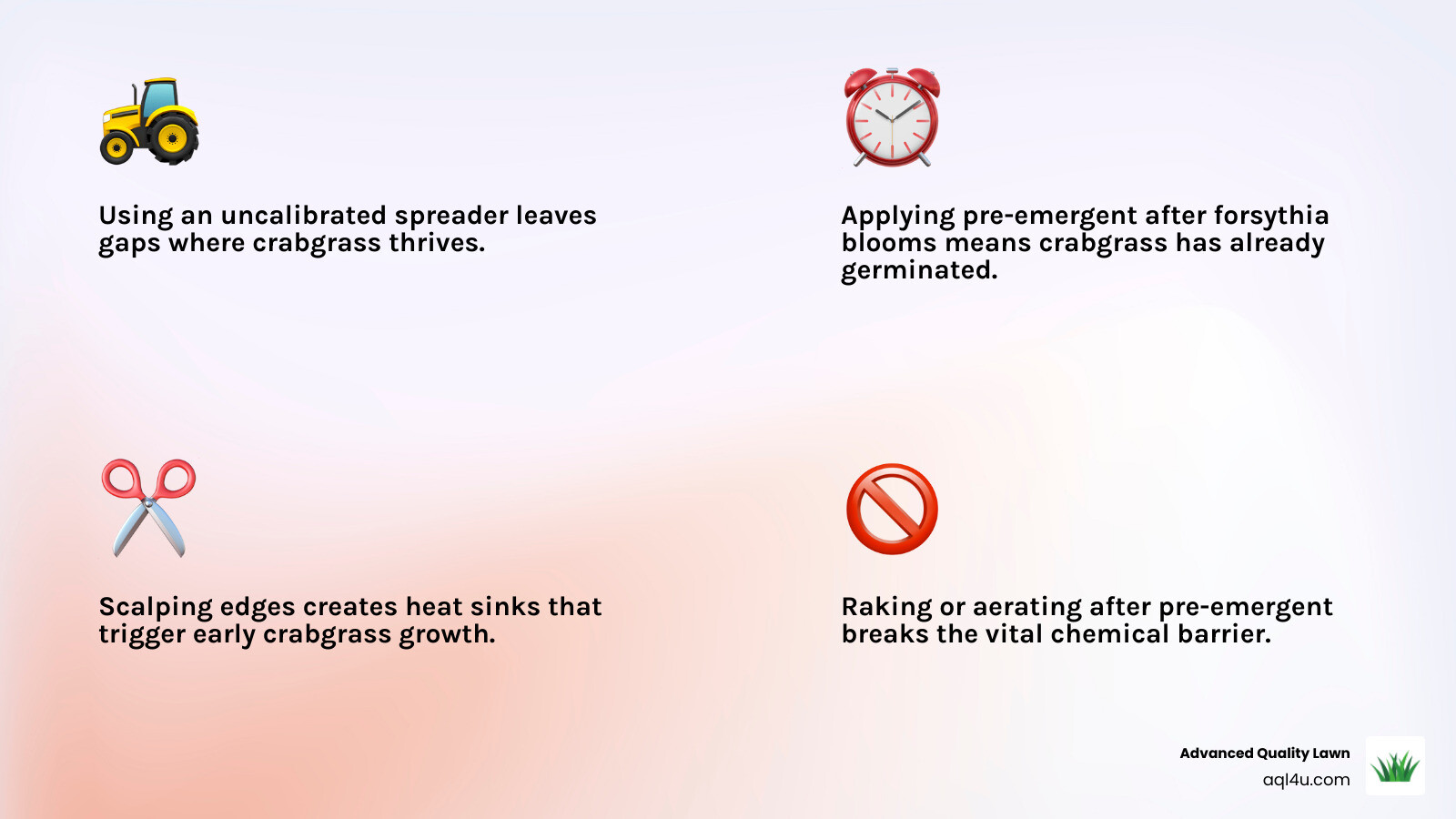
- Poor Coverage: Using a spreader that is not calibrated can leave "skips" in your lawn. These gaps in the chemical barrier are where crabgrass will thrive.
- Applying Too Late: If the forsythia has already turned green and dropped its yellow petals, you are likely too late for a standard pre-emergent.
- Scalping the Edges: Many people trim the edges of their driveways and sidewalks too short. These areas are heat sinks that warm up faster than the rest of the lawn, making them the first place crabgrass appears.
- Raking After Application: If you apply a pre-emergent and then vigorously rake or aerate your lawn, you break the chemical vapor barrier, rendered the treatment useless.
We often see homeowners struggling with dandelions and crabgrass at the same time. Dandelions are perennials that require a different approach than annual crabgrass.
Frequently Asked Questions about Crabgrass
Can I seed my lawn and apply preventer at the same time?
Generally, no. Most pre-emergent herbicides cannot tell the difference between a crabgrass seed and a Kentucky Bluegrass seed. If you apply them together, your expensive grass seed will never sprout. The exception is products containing Siduron or Mesotrione, which are specifically designed to be safe for new seedings.
How long does it take for crabgrass killers to work?
It depends on the product and the weather. Systemic killers like Quinclorac usually show results in 7 to 14 days. You will see the plant start to twist, turn yellow, or even turn white before it finally shrivels up and dies.
Is corn gluten meal effective for organic control?
Corn gluten meal is a popular organic option, but it has its limits. Research suggests it is only about 65% effective compared to synthetic products. It also requires several years of consistent application to build up enough effectiveness in the soil. On the plus side, it contains about 10% nitrogen, so it acts as a mild fertilizer while it works.
Conclusion
At Advanced Quality Lawn, we believe that crabgrass control for lawns should not be a source of stress for you. Whether you are in Akron, Cuyahoga Falls, or anywhere across the 99+ zip codes we serve in Northeast Ohio, we are here to help.
Winning the war on weeds requires a combination of smart cultural habits and precisely timed treatments. If you are tired of spending your weekends fighting a losing battle, let us take over. We offer full-program guarantees and excellent customer service to ensure your lawn stays thick, green, and crabgrass-free all season long.
Ready to take your lawn back? Contact us today to learn more about our lawn care maintenance programs and get a customized plan for your home.