Your Guide to Winning the Great Ant War
What to Do About Ants in Your Lawn (Quick Answer)

Ants in your lawn are usually more annoying than truly destructive. Here is what to do based on your situation:
- Small brown ants with tiny mounds: Mow your grass taller (at least 3 inches). These ants are mostly harmless and may actually help your soil.
- Large mounds with big reddish-brown ants (field ants): Use a borax and sugar bait near the nest. Give it up to 2 weeks to work.
- Fire ants or widespread infestation: Apply granular bait across the lawn, then treat individual mounds. Consider professional help.
- Ants moving inside your home: Seal cracks around doors, pipes, and your foundation. Treat the outdoor colony at its source.
Most ant problems can be solved without harsh chemicals. But species, colony size, and lawn conditions all affect which approach works best.
You step outside on a warm Ohio morning and notice small craters of loose soil dotting your lawn. Maybe you hit one with the mower last week and got a few bites on your ankles for your trouble. Whether you have got a few harmless hills or a full-blown infestation creeping toward your back door, knowing what you are dealing with makes all the difference.
Not all lawn ants are the same. Some barely register as a problem. Others can build mounds four feet wide, protect aphid colonies that damage your plants, and send scouts straight into your kitchen. The key is knowing which type has moved in and how serious things really are.
I'm Andrew Day, owner of Advanced Quality Lawn, and with more than 30 years of lawn care experience serving Northeast Ohio homeowners, I have seen every kind of ants in lawn situation from a handful of harmless pavement ants along a driveway to aggressive field ant colonies taking over a backyard. This guide covers everything you need to know to take back your yard.
Identifying the Enemy: Common Types of Ants
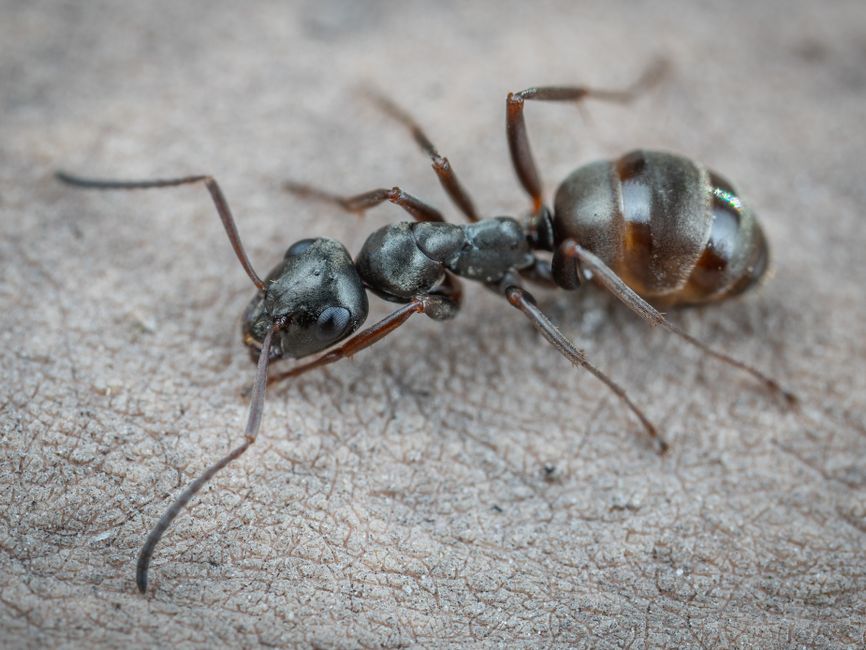
Before you start any treatment plan, you need to know who is living in your grass. In Northeast Ohio, we see several distinct species. Each has its own habits and potential for damage. Identifying them correctly is the first step toward effective control.
Identifying Common Species of Ants in Lawn Environments
The most frequent visitors to our local yards include:
- Yellow Meadow Ants (Lasius flavus): These are small brown or yellowish ants. They are very common in Ohio and usually build small, crater-shaped mounds with an entrance in the center. They are mostly harmless and spend much of their time underground.
- Field Ants (Formica spp.): These are the heavy hitters. They range from 1/5 to 3/8 inches long and can be reddish-brown, black, or even two-toned. They are famous for building massive mounds that can reach up to four feet in diameter and two feet high. You can learn more about these and others in this guide on Ants in Home Lawns.
- Pavement Ants: These tiny ants (1/12 to 1/4 inch) love to build nests under driveways and sidewalks. They push up small "volcano" piles of sand or soil through the cracks in your pavement.
- Fire Ants: While more common in the south, some species have been expanding. They are known for their aggressive behavior and painful stings. If you see hundreds of mounds in a single acre, you might be looking at a fire ant colony that can house up to 500,000 workers.

Why You Might See Ants in Lawn Grass During May 2026
As we move into May 2026, you will notice a surge in ant activity. Ants are most active when soil temperatures are between 70 and 95 degrees Fahrenheit. During the spring, the ground is warming up, and the ants are busy expanding their tunnels and foraging for food to support the growing colony.
Rainy spring weather often forces ants to the surface, resulting in more visible mounds as they repair their homes. This is also the time when many species begin their swarming behavior, where winged queens and males take flight to start new colonies. If you are noticing more than just ants, you might be dealing with other Lawn Bugs that thrive in the same conditions.
Are Ants Destroying Your Grass or Helping It?
Many homeowners worry that seeing ants in lawn areas means their grass is doomed. The truth is a bit more complicated. In many cases, ants are actually a sign of a healthy ecosystem, but they can become a problem under certain conditions.
Beneficial Aspects of Ants in Lawn Ecosystems
Believe it or not, ants provide several "free" services for your yard. They are nature's tillers. As they tunnel, they aerate the soil, which allows oxygen, water, and nutrients to reach the roots of your grass more easily. This natural aeration can actually improve grass growth in some cases.
Ants are also excellent scavengers. They act as a cleanup crew, removing dead insects and organic debris. Some species even prey on harmful pests like flea larvae. As noted in this article on Help! Ants are Destroying My Lawn!, small brown ants are essentially harmless and often beneficial.
Visible Signs of a Serious Infestation
While some ants are fine, a major infestation can cause real issues. You should look out for:
- Thinning Grass and Bare Patches: Large colonies can excavate so much soil that they leave roots exposed. This causes root desiccation, where the roots dry out and the grass dies.
- Mower Damage: High mounds from field ants can be tall enough to catch your mower blades. This doesn't just ruin the mound; it can dull your blades and scalp the surrounding grass.
- Formic Acid Injection: Some field ants actually inject formic acid into the roots of plants around their mound to kill off the vegetation and keep their "sun deck" clear.
- Aphid Farming: Ants often protect aphids because they love the sweet honeydew aphids produce. By protecting these pests from predators, ants indirectly contribute to the damage aphids do to your plants. If you see these signs, you might have Ants Destroying Lawn areas that need attention.
For more information on identifying these issues, check out our resources on Lawn Pests.
Proven Methods to Eliminate Ants in Lawn Areas
If the ants have crossed the line from "beneficial neighbors" to "destructive squatters," it is time to take action. You have several options ranging from natural home remedies to professional-grade treatments.
Effective Baiting Strategies for Ants in Lawn Spaces
Baiting is often the most effective way to handle a colony because it targets the source: the queen. Worker ants find the bait, think it is food, and carry it deep into the nest to share with the rest of the colony.
A popular DIY method involves a borax and sugar solution. Mix equal parts boric acid or borax with sugar and a little water. Place this near the ant trails. The sugar attracts them, and the borax eventually poisons the colony. This is not an overnight fix. It usually takes about two weeks to see results as the poison works its way through the population. For more tips on this, watch this video on how to Make Your Yard ANT FREE FOREVER In 3 Easy Steps. You can also find more strategies in our Ultimate Guide Kill Ants Yard.
Chemical Treatments and Safety Precautions
For more severe infestations, especially with fire ants or widespread field ants, chemical treatments may be necessary.
- Broadcast Granules: These are spread across the entire lawn using a spreader. They are great for widespread problems. Always water the lawn immediately after application to release the active ingredients into the soil.
- Mound Drenching: This involves pouring a liquid insecticide directly into the mound. It is a targeted way to Get Rid of Pests without treating the whole yard.
Always read and follow the label instructions on any pesticide. Keep children and pets off the treated grass until it has been washed in and the grass is completely dry.
Preventing Indoor Invasions from Your Yard
One of the biggest reasons homeowners want to get rid of ants in lawn areas is to keep them out of the house. Most indoor ant problems start outdoors.
To prevent an invasion, start by creating a perimeter barrier. Apply a liquid or granular insecticide around the foundation of your home. This acts as a "keep out" sign for foraging workers. You should also seal any cracks or gaps around doors, windows, and pipes with silicone caulking.
Eliminating moisture is another key step. Ants are attracted to damp areas, so fix leaky outdoor faucets and ensure your gutters are draining away from the foundation. For more help with this, visit our section on Pest Control.
Cultural Practices to Discourage Nesting
The way you care for your grass can actually make it less attractive to ants. Ants love thin, dry, and undisturbed soil. By keeping your lawn thick and healthy, you make it much harder for them to set up shop.
- The 3-Inch Rule: Never mow your grass shorter than 3 inches. Taller grass shades the soil, keeps it cooler, and helps hide small ant mounds. It also encourages deeper root growth, making your lawn more resilient.
- Aerate and Dethatch: Regular aeration and dethatching prevent the soil from becoming too compacted and reduce the layer of organic debris where some ants like to nest.
- Proper Watering: Deep, infrequent watering keeps the soil moisture levels consistent, which can discourage ants that prefer very dry conditions.
Following these Lawn Pest prevention tips will go a long way in keeping your yard ant-free.
Frequently Asked Questions about Lawn Ants
We get a lot of questions about ants here in Northeast Ohio. Here are some of the most common ones we hear from our customers in places like Hudson, Copley, and Medina.
Field Ants vs. Carpenter Ants
It is easy to get these two confused, but they require very different treatments.
| Feature | Field Ants | Carpenter Ants |
|---|---|---|
| Nesting Site | Soil and mounds | Moist, decayed wood |
| Thorax Shape | Uneven profile | Evenly rounded |
| Size | 1/5 to 3/8 inch | Up to 1/2 or 3/4 inch |
| Damage | Grass and mounds | Structural wood damage |
Do ants eat grass roots?
This is a common myth. Most ants do not actually eat the roots of your grass. However, they can cause significant damage by excavating the soil around the roots. This leaves the roots hanging in air pockets where they cannot absorb water, leading to the grass drying out and dying.
How long do ant colonies live?
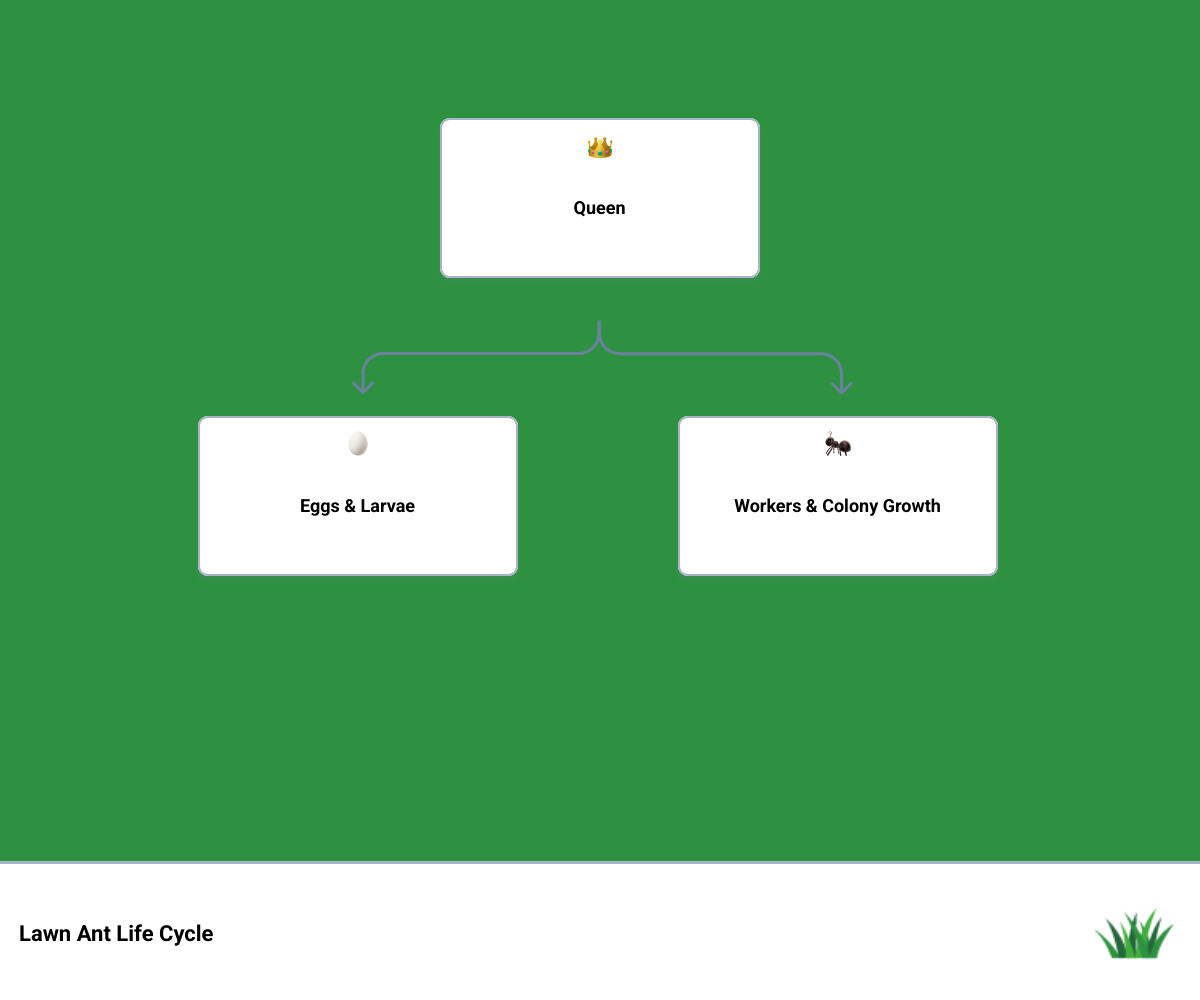
A colony can be surprisingly long-lived. While a worker ant might only live for about five weeks, the queens are the heart of the operation. A queen can live anywhere from 7 to 15 years and lay thousands of eggs throughout her life. This is why field ant colonies can survive in the same spot for over a decade if they are not treated.
Is boiling water safe for grass?
While boiling water is a popular "natural" remedy for killing ants, you should never use it on your lawn. Boiling water will instantly kill your grass along with the ants. It is a great solution for ants living in the cracks of a brick patio or a concrete sidewalk, but keep it away from your green spaces. For your lawn, stick to soap solutions or baits that won't cause thermal damage to your turf.
Conclusion
Dealing with ants in lawn areas doesn't have to be a losing battle. Whether you choose a "live and let live" approach for a few small mounds or decide to take a stand against a massive field ant colony, the key is consistency and using the right tools for the job.
If you are in Northeast Ohio and the ants are winning the war, we are here to help. At Advanced Quality Lawn, we provide expert lawn care, tree, and shrub services across Summit, Medina, Cuyahoga, and surrounding counties. We offer full-program guarantees and excellent customer service to ensure your yard stays healthy and beautiful.
For more information or to schedule a service call, check out More info about lawn care services and let us help you take back your lawn today.