
Crowding Out Crabgrass with the Right Grass Seed
How the Right Grass Seed Can Crowd Out Crabgrass for Good

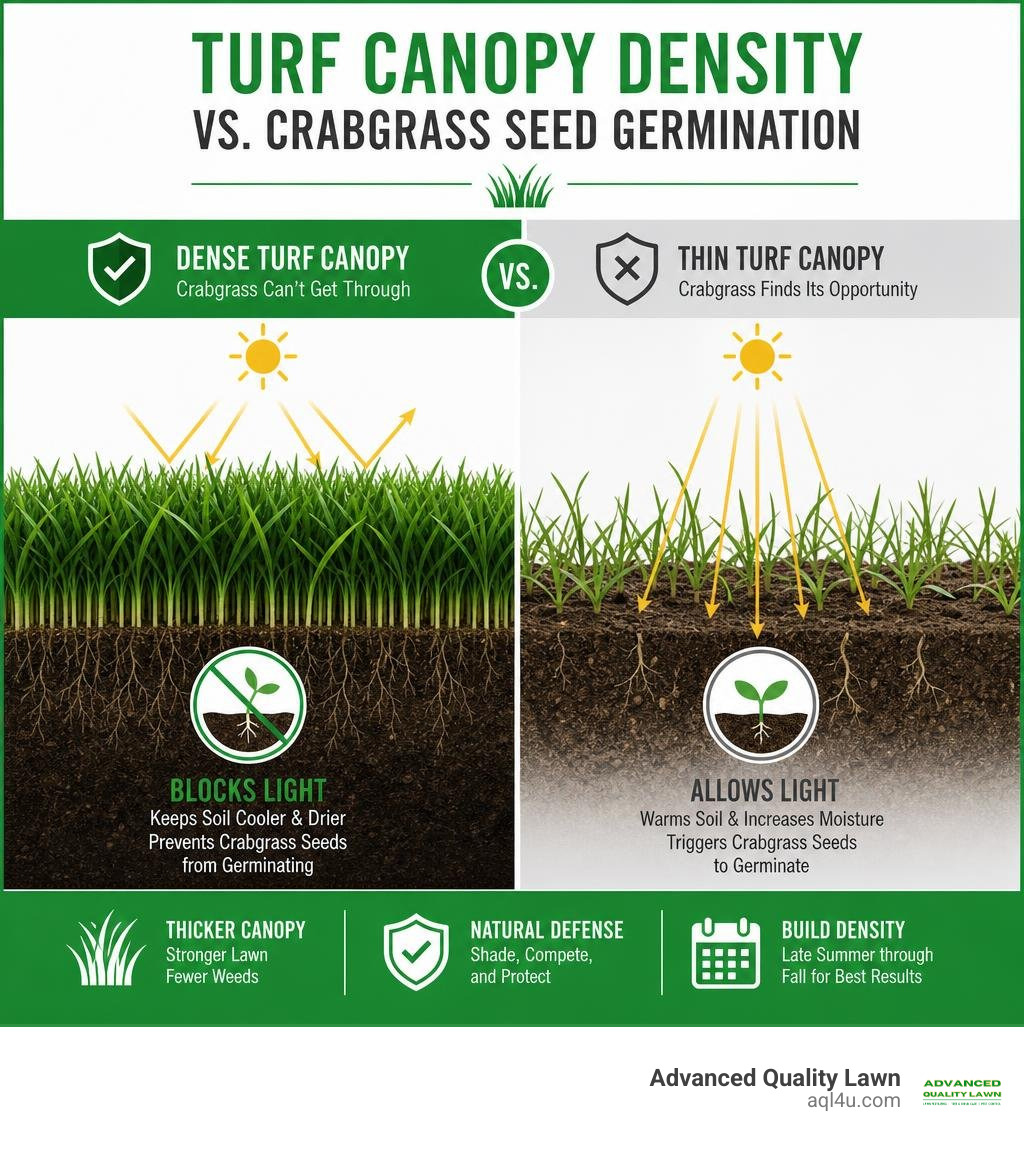
The best grass seed to kill crabgrass and keep it from returning is a dense blend of turf-type tall fescue, Kentucky bluegrass, and perennial ryegrass. While grass seed does not act as a chemical poison, establishing a thick turf canopy blocks the sunlight and warm soil conditions that crabgrass needs to sprout.
Here is how this top cool-season blend outcompetes weeds:
- Turf-Type Tall Fescue: Grows deep root systems and creates a dense, tall leaf canopy that shades out weed seeds.
- Kentucky Bluegrass: Spreads aggressively through underground rhizomes to knit together and close open bare spots.
- Perennial Ryegrass: Germinates in just 6 to 12 days to quickly lock down open soil before weeds can take root.
I am Andrew Day, owner of Advanced Quality Lawn, and I have spent decades helping homeowners build thick turf using the best grass seed to kill crabgrass. Let us explore how strong grass varieties build a permanent barrier against aggressive annual weeds.
Understanding the Crabgrass Threat and Natural Canopy Defense
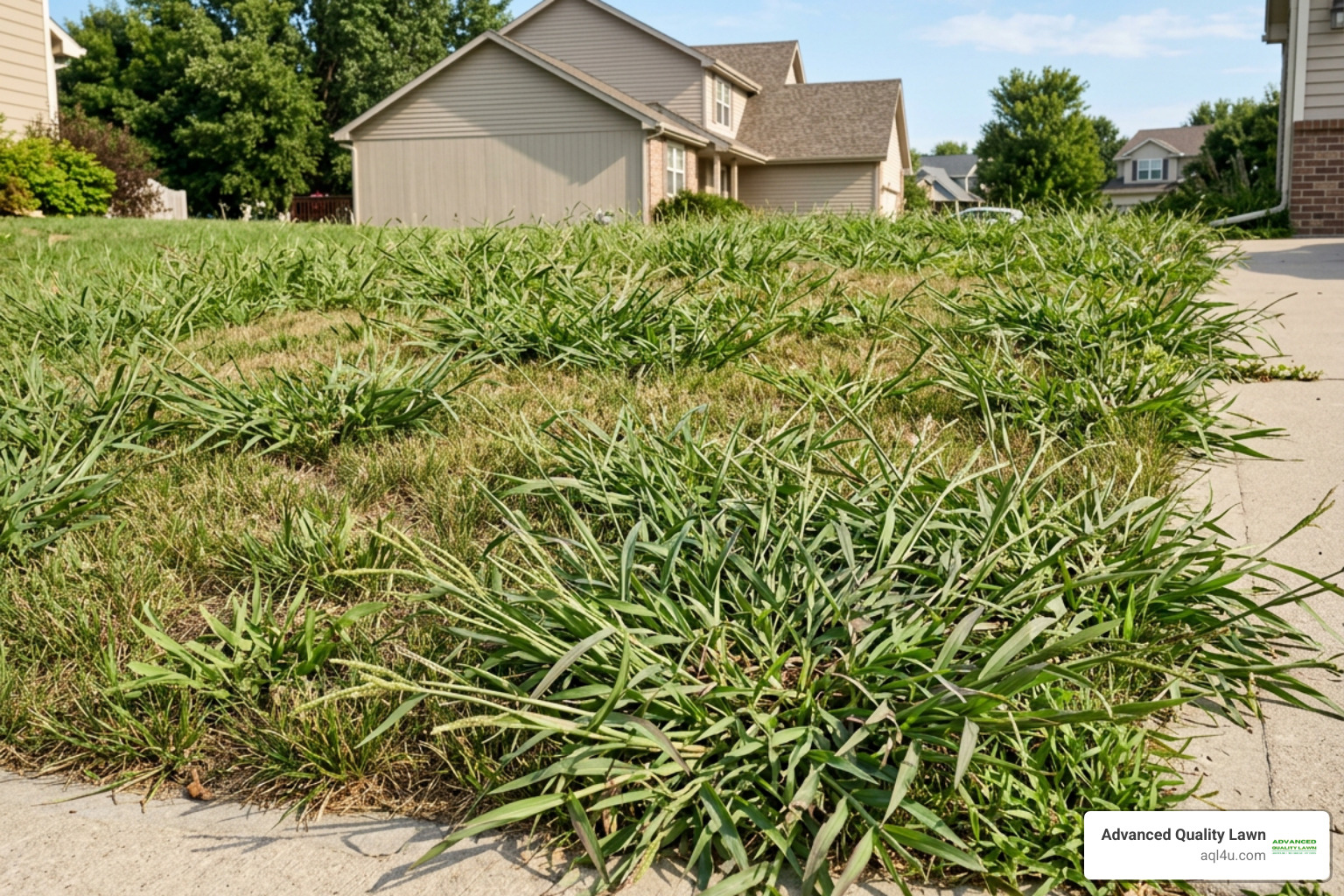
Crabgrass is one of the most stubborn summer annual weeds we encounter across lawns in Akron, Medina, Hudson, and Cleveland. It operates on a simple mission: locate bare dirt, sprout when conditions warm up, and claim every square inch of territory before your desired turf can react.
A single mature crabgrass plant can produce over 150,000 seeds in a single growing season. These seeds settle into the lawn and remain viable two to three inches deep in the soil for years. Germination begins in spring as soon as soil temperatures reach 55 degrees Fahrenheit for four to five consecutive days. As temperatures climb between 55 and 75 degrees, germination hits peak velocity.
To make matters worse, crabgrass produces allelochemicals. These natural root toxins leach into the surrounding dirt to stunt nearby grass seedlings. As detailed in Lawn and Turfgrass Weeds: Smooth Crabgrass and Large Crabgrass from Penn State Extension, smooth and large crabgrass species thrive on thin stands of grass and open sunlight.
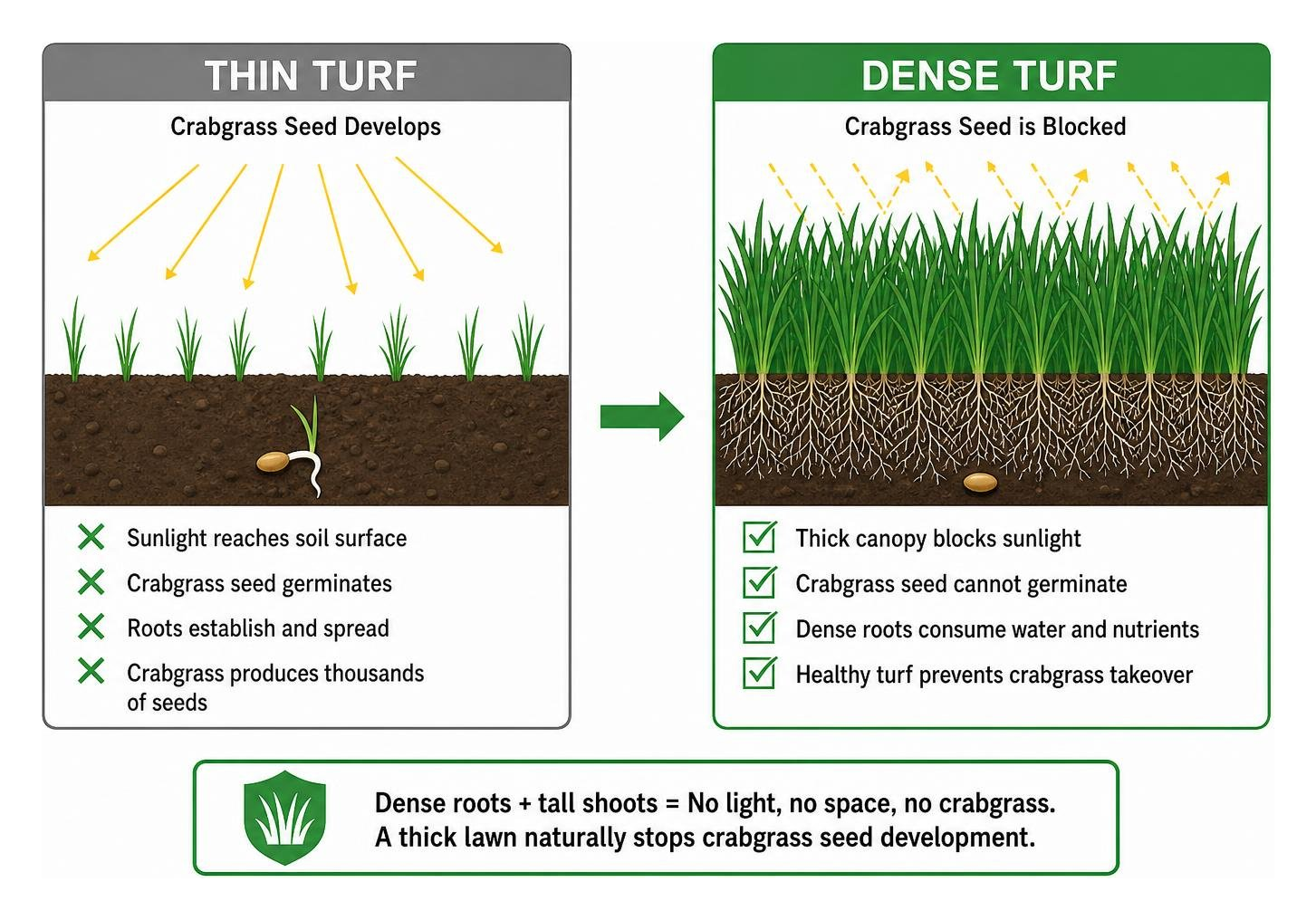
When your lawn has thin patches or low turf density, weed seeds capitalize instantly. Discovering the best way to get rid of crabgrass starts with recognizing that crabgrass seeds cannot germinate without direct sunlight hitting the soil surface. By building a thick, interlocking canopy of cool-season grass, you starve those 150,000 seeds of the light energy they require to wake up.
Choosing the Best Grass Seed to Kill Crabgrass Naturally
Crabgrass seeds require light, heat, and space to take over. Selecting high-performance cool-season cultivars adapted for Northeast Ohio conditions ensures rapid establishment, high shoot density, and aggressive root development.
| Grass Species | Growth Habit | Competitive Trait | Soil Shading Ability | Establishment Speed |
|---|---|---|---|---|
| Turf-Type Tall Fescue | Bunch-type / Tillering | Deep rooting, drought resilience | Exceptional (tall cut height) | Moderate (10 to 21 days) |
| Kentucky Bluegrass | Rhizomatous (spreading) | Knits bare patches, self-repairs | High (dense sod structure) | Slow (14 to 28 days) |
| Perennial Ryegrass | Bunch-type / Fast tiller | Rapid ground cover, early cover | High (rapid early canopy) | Fast (6 to 12 days) |
| Fine Fescues | Bunch-type / Creeping | Thrives in low-fertility shade | Moderate (fine blade density) | Moderate (10 to 14 days) |
Cool-Season Cultivars: The Best Grass Seed to Kill Crabgrass in Northern Lawns
In our northern climate across Summit, Cuyahoga, Portage, and Medina counties, the most competitive grass varieties belong to the cool-season family.
- Turf-Type Tall Fescue (TTTF): Modern turf-type tall fescues are standout performers. They develop root systems extending several feet into the soil profile. This deep rooting allows the grass to stay vibrant and dense during hot July and August dry spells when crabgrass loves to invade. TTTF forms wide, upright crowns that cast dense shade directly over the soil line.
- Kentucky Bluegrass (KBG): Kentucky bluegrass provides the self-healing engine of your lawn. KBG spreads through underground stems called rhizomes. When crabgrass dies out in the late autumn chill, KBG spreads laterally to fill the empty void before next spring rolls around. Following a best grass seed mulch fertilizer guide ensures these slow-germinating seeds receive adequate protection and nutrients during early development.
- Perennial Ryegrass: When you overseed a thin lawn, speed matters. Perennial ryegrass is the fastest establishing cool-season turfgrass available, showing green shoots within 6 to 12 days under proper soil moisture. It provides rapid canopy cover that stabilizes the soil and blocks weed seeds while slower varieties establish beneath it.
- Fine Fescues (Creeping Red, Chewings, Hard): In tree-lined neighborhoods across Chagrin Falls, Bainbridge, and Brecksville, heavy shade often thins out traditional grasses, leaving open pockets for shade-tolerant weed strains. Fine fescues fill these low-light niches to ensure no patch of soil sits bare.
Why Selecting the Best Grass Seed to Kill Crabgrass Beats Chemical-Only Control
Spraying post-emergent chemicals or laying down synthetic barriers year after year without overseeding is a temporary fix. Over-relying exclusively on herbicides can lead to weed tolerance, chemical runoff, and recurring seasonal costs.
A comprehensive Crabgrass Control Guide 2026 emphasizes that biology beats chemistry over time. Planting top-tier grass seed creates a self-sustaining defense system. A thick lawn physically shields the soil from light, absorbs available nitrogen and water before weed seedlings can access them, and improves overall soil organic matter. Herbicides knock down weeds in the short term, but introducing competitive grass seed ensures those empty spaces are filled with healthy turf.
Cultural Lawn Care Practices to Crowd Out Opportunistic Weeds
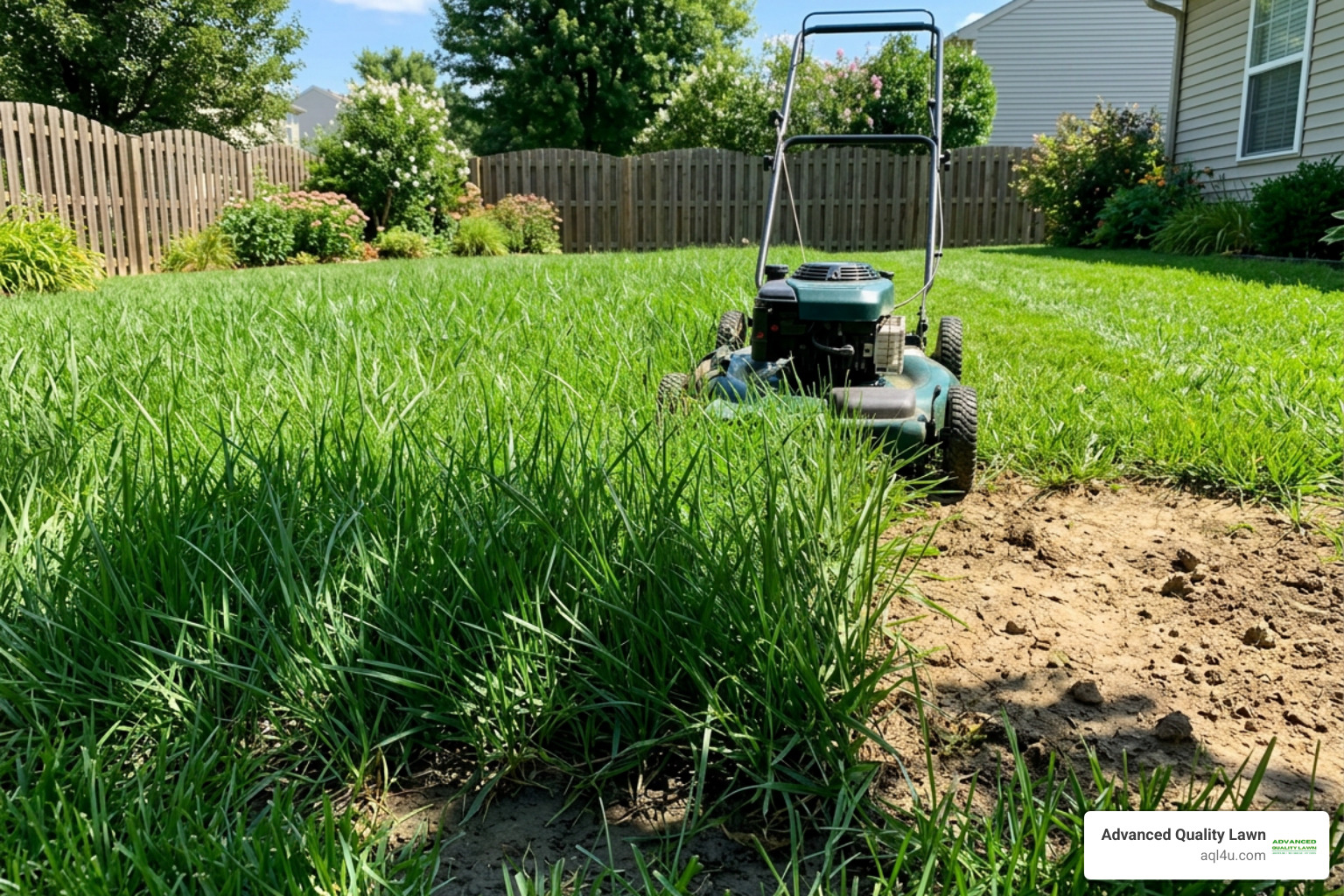
The best grass seed in the world cannot perform if your maintenance habits favor weeds over turf. Proper mowing, watering, and soil management give your desirable grass a major competitive advantage.
Mowing Height and Soil Temperature Management
Mowing height is your primary cultural weapon against crabgrass. Crabgrass can adapt to low cuts, successfully setting viable seed heads even when cut down to 0.5 inches tall.
When you mow your lawn short at 1.5 to 2 inches, you scalp the turf canopy, heat up the top layer of soil, and invite dormant weed seeds to germinate. In contrast, keeping your mower deck set between 3.5 and 4 inches high provides vital soil shading.
A 4-inch turf canopy lowers surface soil temperatures significantly during warm spring afternoons. Crabgrass seeds remain dormant without warmth and sunlight, leaving your lawn clean and uniform. Taller turf also encourages deeper root systems and promotes maximum photosynthetic energy production.
Strategic Irrigation, Aeration, and Nutrient Scheduling
Watering habits play an equally critical role in weed prevention:
- Infrequent, Deep Watering: Light, daily sprinkler cycles keep the top quarter-inch of soil damp, which creates ideal conditions for crabgrass seeds to sprout. Water your lawn deeply and infrequently, targeting 1 to 1.5 inches of water per week applied in the early morning. This delivers moisture deep into the root zone of your established grass while leaving the surface dry.
- Core Aeration: Heavy clay soils across Northeast Ohio become compacted under regular foot traffic and mower weight. Compacted soil stunts grass roots while giving tough weeds like crabgrass and goosegrass an opening. Performing core aeration in late summer relieves soil density, pulls up soil cores, and creates channels for air, water, and new grass seed to take root.
- Balanced Fertilization: Fertilizing heavily with quick-release nitrogen in late spring feeds fast-growing summer weeds right as they wake up. Shift the bulk of your fertilizer program to late summer and autumn. Applying balanced nutrition in the fall feeds cool-season grass during its peak recovery period, building thick turf before winter dormancy. If unexpected grassy or sedge weeds appear mid-season, pair cultural care with the best weed killer for nutsedge and crabgrass to clear out competition.
Timing Your Overseeding and Navigating Pre-Emergent Barriers
Timing determines the success of any overseeding project. Sowing seed at the wrong time or mishandling weed preventers can result in poor germination and wasted seed.
Fall Overseeding Protocols
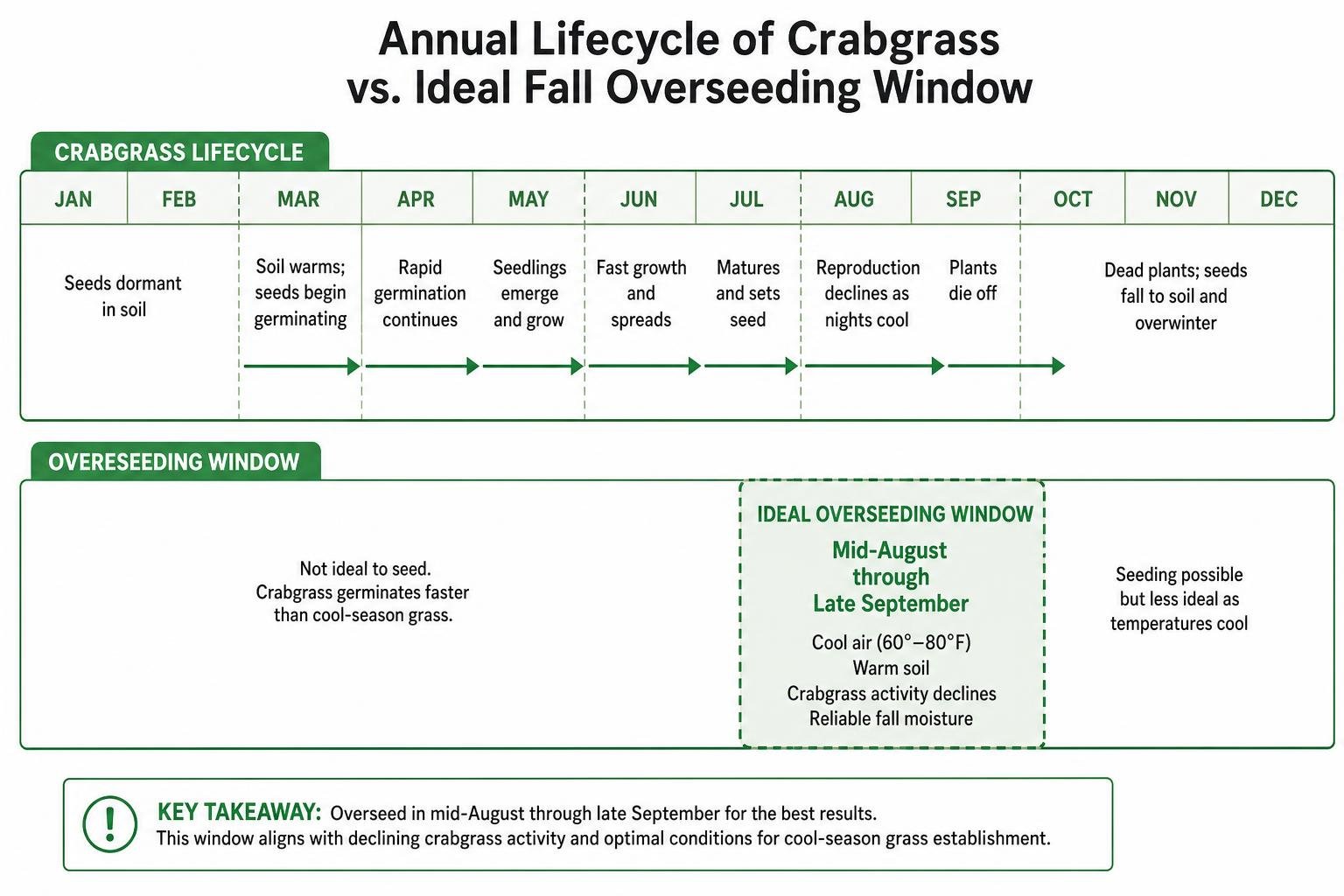
Late summer through early autumn (mid-August through late September) is the ideal window to plant cool-season grass seed in northern regions. During this timeframe:
- Ambient air temperatures hover comfortably between 60 and 80 degrees Fahrenheit, while soil temperatures remain warm from summer heat.
- Crabgrass plants are nearing the end of their annual life cycle and cease active germination as nights cool down.
- Fall rain patterns provide reliable, natural moisture for newly sown seeds.
Attempting to seed in late spring is much harder because crabgrass germinates much faster than cool-season turfgrass in warming soil. By focusing your overseeding efforts in the fall, your new grass establishes deep root systems throughout autumn and early spring, forming a dense canopy before crabgrass begins waking up in May.
Herbicide Intervals and Seed-Safe Weed Prevention
Traditional pre-emergent herbicides such as prodiamine and dithiopyr create a chemical vapor barrier in the upper soil that stops root cell division in all sprouting seeds. Unfortunately, these products do not know the difference between a crabgrass seed and your new Kentucky bluegrass or tall fescue seed.
- Standard Pre-Emergent Waiting Times: If you apply standard pre-emergent granules in early spring, you must wait anywhere from 8 to 16 weeks (60 to 120 days) before sowing new grass seed. Overseeding too soon inside this barrier results in failed turf germination.
- Fall Pre-Emergents: Applying a pre-emergent in late summer or fall requires at least a 12-week delay before seeding, which can push you completely out of the ideal autumn planting window.
- Seeding-Safe Herbicides: If you must seed bare areas in spring while preventing crabgrass, use products formulated with mesotrione. Mesotrione provides selective pre-emergent and post-emergent control of crabgrass while allowing Kentucky bluegrass, perennial ryegrass, and tall fescue seeds to germinate safely. Reference our crabgrass preventer safe seeding guide to coordinate herbicide applications with your seeding schedule.
Frequently Asked Questions About Crabgrass and Overseeding
Can overseeding alone eliminate an established crabgrass infestation?
Overseeding is a vital long-term prevention strategy, but it will not instantly kill mature crabgrass plants already thriving in your lawn during midsummer. Because crabgrass is an annual plant, existing plants will naturally die off with the first hard autumn frost.
Overseeding in late summer allows new grass seedlings to claim bare spots left behind by dying weeds. For heavy summer infestations, spot-treat active crabgrass patches with a selective post-emergent herbicide, rake away dead plant debris, and overseed the bare dirt to prevent weed seeds from returning next spring.
How long after applying pre-emergent herbicide can I plant grass seed?
The required waiting interval depends on the active ingredient and application rate used:
- Prodiamine: Typically requires a waiting period of 8 to 16 weeks (60 to 120 days) before grass seed can be safely planted.
- Dithiopyr: Requires an 8 to 12 week waiting period before reseeding or overseeding.
- Mesotrione: Can be applied on the exact same day you sow compatible cool-season grass seed blends like tall fescue, Kentucky bluegrass, and perennial ryegrass.
Always read product labels for precise reseeding intervals to prevent accidental seedling damage.
What mowing height best prevents crabgrass seeds from germinating?
Maintaining a mowing height of 3.5 to 4 inches provides the best defense against crabgrass seed germination. Taller grass blades create a dense umbrella of shade over the soil surface, blocking sunlight from reaching weed seeds while keeping soil temperatures cooler during early spring warmups. Mowing frequently enough so you never remove more than one-third of the total grass blade length keeps your turf strong and weed-free.
Build a Resilient Lawn with Professional Care
Crabgrass relies on open space, direct sunlight, and thin turf to conquer a yard. By selecting high-performing cool-season grass blends, practicing deep watering, keeping your mower set high, and overseeding in the late summer, you build a living shield that crowds out weeds naturally.
Achieving this balance across large residential properties takes time, proper equipment, and regional expertise. At Advanced Quality Lawn, we provide full-program guarantees, dedicated service calls, and tailored treatments covering more than 99 zip codes across Summit, Medina, Cuyahoga, Portage, and surrounding counties. Whether you live in Copley, Solon, Parma, Macedonia, or Medina, we are ready to help you establish a dense, healthy lawn that stands up to weed pressure all year long.
Explore our professional Lawn Care Maintenance programs to schedule your custom lawn evaluation and give your grass the upper hand against weeds this season.