
Protecting Your Yard: The Most Effective Way to Reduce Ticks
Assessing Yard Risk and Testing for Active Tick Hotspots
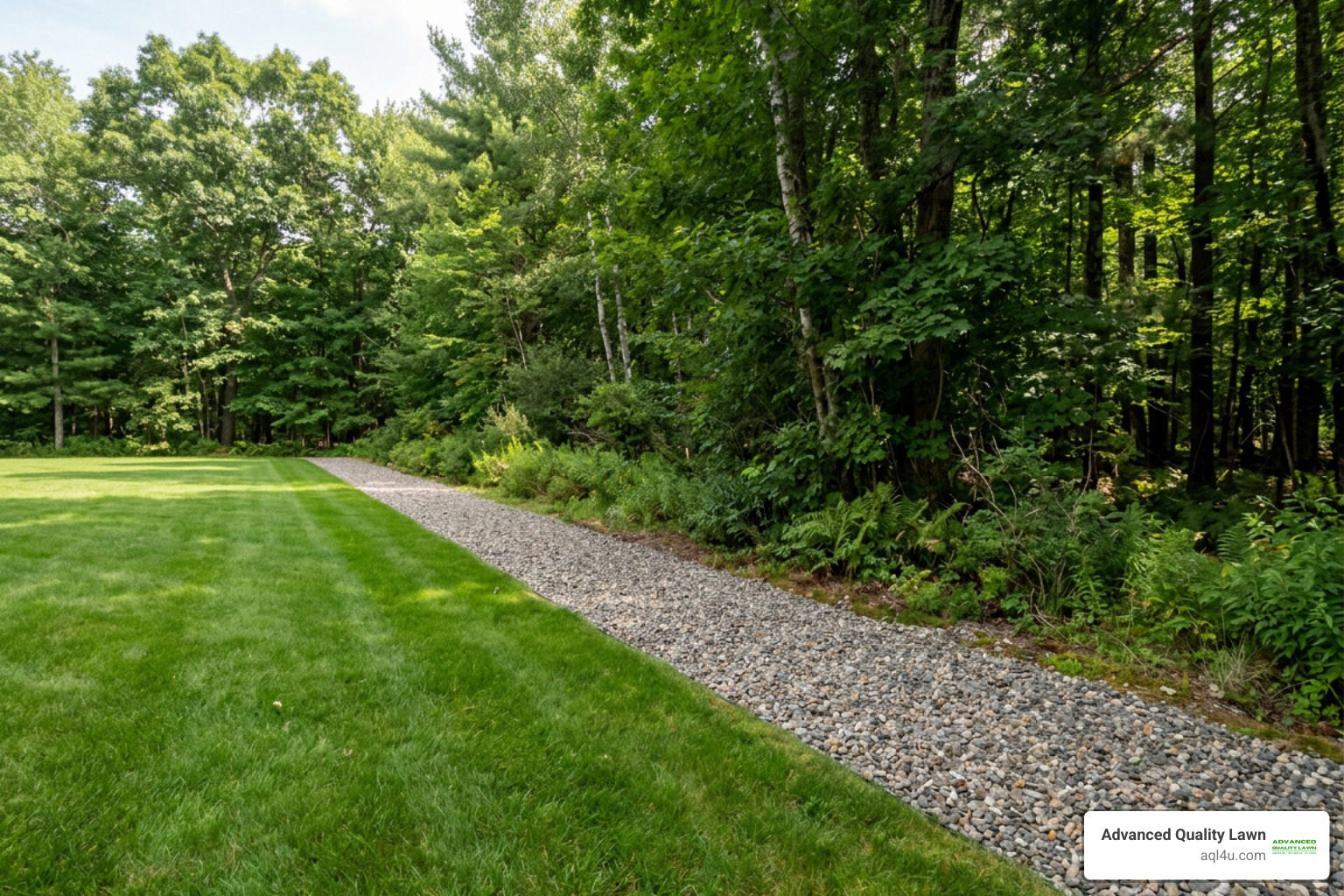
The best way to get rid of ticks in yard landscapes is a multi-layered strategy that combines physical habitat modification, targeted perimeter acaricide treatments in late spring, and rodent tick tubes. Installing a 3-foot gravel or woodchip desiccation barrier along property edges removes the moisture ticks need to survive, while targeted perimeter sprays eliminate active nymphs before they reach high-traffic lawn areas.
To solve a tick problem permanently, you also need to understand how these arachnids operate. Ticks do not jump, leap, or drop from trees. Instead, they exhibit a behavior called questing. A questing tick perches on the tip of a blade of grass or low shrub, holding its front legs out into the air, waiting to cling to any warm body that brushes past.
Ticks require high relative humidity levels, generally above 80 percent, to avoid fatal moisture loss. Because direct sunlight and wind dry them out quickly, ticks seek shelter in damp transitional zones known as ecotones. These are the boundary areas where a maintained lawn meets woods, overgrown brush, ornamental groundcover, or stone walls.

Shaded stone walls and unmanaged brush piles are major hotspots on residential properties. White-footed mice use rock crevices and dense brush for nesting, which brings larval ticks into direct contact with their favorite disease reservoir.
Why a Flannel Drag Test Is the Best Way to Get Rid of Ticks in Yard Transition Zones
Before applying treatments, you need to know where ticks are concentrating. A simple tick drag test allows you to inspect your property boundaries safely.
To build a tick drag, attach a one-meter square piece of white flannel or corduroy cloth to a wooden dowel rod, securing a light cord to pull it along. Slowly drag the cloth over low vegetation, groundcovers, and the boundary line between your turf and wooded areas.
Stop every few paces to flip the fabric over and inspect both sides. Adult ticks stand out clearly against the white cloth, but you must look closely for poppy-seed-sized nymphs, which are responsible for the vast majority of Lyme disease infections. Identifying these active zones helps you target specific problem areas instead of spraying open turf. For comprehensive family safety protocols when working in these areas, review the CDC tick bite prevention guidelines.
The Best Way to Get Rid of Ticks in Yard Landscapes: Habitat Modification and Physical Barriers
Physical landscape adjustments provide permanent, non-chemical defense. By taking away the humid microclimates ticks need to survive, you transform your property edge into an inhospitable zone.
Creating a 3-Foot Desiccation Barrier with Gravel or Woodchips
A proven structural change you can make is installing a 3-foot-wide barrier of coarse wood chips, pea gravel, or crushed stone along the entire boundary separating your lawn from adjacent woods or brushy lots.
This border serves as a lethal dry zone. The sun heats the stone or coarse wood chips, driving humidity levels far below what ticks need. Most ticks die within 24 to 48 hours when exposed to humidity levels below 80 percent, so they will rarely cross a dry 3-foot strip without perishing from desiccation. Make sure your buffer is at least two to three inches deep, and rake wood chips periodically so moisture does not collect underneath.
Eliminating Shaded Microclimates and Rodent Harborage
Ticks cannot thrive on healthy, sunny turf. Keeping your grass cut cleanly to a height of two to three inches allows air and sunlight to penetrate the soil surface, eliminating ambient moisture.
Key habitat reduction tasks include:
- Raking and bagging damp leaf litter from fence lines, foundational plantings, and stone walls.
- Pruning low-hanging tree branches and thinning overgrown ornamental shrubs to maximize sunlight penetration.
- Removing invasive shrubs like Japanese barberry, which traps humidity at ground level and creates ideal conditions for tick survival.
- Elevating firewood stacks at least eight inches off the ground on metal or concrete supports in direct sun, keeping them well away from high-traffic family zones.
For more cultural management strategies, read our Ultimate Guide Kill Ticks Yard.
Targeted Chemical and Natural Yard Treatments
When habitat modification needs reinforcement, targeted acaricide treatments help suppress established populations. Acaricides are specialized products formulated to eliminate arachnids like ticks, spiders, and mites.
| Treatment Type | Active Ingredients | Residual Longevity | Best Application Timing | Target Tick Stage |
|---|---|---|---|---|
| Synthetic Acaricide | Bifenthrin, Permethrin | 4 to 8 weeks | Mid-May to June, optional October | Nymphs (spring), Adults (fall) |
| Botanical Oil | Cedarwood oil, Peppermint | 1 to 2 weeks (degrades in rain) | Bi-weekly through summer | Contact kill for active stages |
| Biological Control | Met52 (Metarhizium brunneum) | Variable soil residual | Late spring during soil warmth | Nymphs and larvae in soil |
Applying Acaricides: The Best Way to Get Rid of Ticks in Yard Perimeters During Peak Nymph Season
Controlled studies demonstrate that a single, well-timed springtime application of acaricide can reduce nymphal tick abundance by 68 to 100 percent. The most important application window is mid-May through early June, which is when blacklegged tick nymphs emerge. A secondary application in October can help suppress questing adult ticks before winter.
Instead of broadcasting chemical sprays across an entire open lawn, use a high-pressure sprayer to apply a liquid acaricide like bifenthrin to a 9-foot to 15-foot band along the wooded perimeter, shady groundcovers, and brush edges. Synthetic pyrethroids provide dependable residual protection for six to eight weeks. Homeowners exploring broader pest management can review our guide to the Best Insect Control for Lawns as well as the Harvard Lyme disease research on yard protection.
Natural Control Alternatives: Cedar Oil, Diatomaceous Earth, and Fungal Sprays
For property owners seeking lower-impact solutions, botanical sprays containing cedarwood oil disrupt tick pheromone receptors and dissolve their exoskeletons on contact. Food-grade diatomaceous earth acts mechanically by scratching the tick's waxy outer coating, leading to fatal dehydration.
Biological solutions such as Metarhizium brunneum (Met52 entomopathogenic fungus) and beneficial nematodes target tick larvae and nymphs directly in the soil. However, natural products break down much faster under sunlight and wash away during rain, requiring frequent reapplication. Explore our comprehensive overview of the Best Way to Treat Yard for Bugs for organic pest tips.
Protecting Pollinators, Children, and Pets from Chemical Exposure
Safety is paramount whenever applying perimeter treatments. Keep the following safety standards in mind:
- Wait for Complete Drying: Keep children and pets off treated areas until all liquid sprays have completely dried, which usually takes one to three hours depending on heat and humidity.
- Protect Cats from Pyrethroids: Cats lack the liver enzyme glucuronyltransferase, making them unable to break down synthetic pyrethroids like permethrin. Liquid contact before drying can cause severe neurological toxicity in felines.
- Protect Pollinators: Never spray flowering groundcovers, blooming weeds, or fruit blossoms. Mow areas containing blooming white clover before applying any perimeter treatment, and spray in the early morning or late evening when bees are not actively foraging.
- Protect Water Sources: Maintain a buffer of at least 25 feet from drinking water wells and 50 to 100 feet from ponds, streams, or storm drains.
Interrupting the Host Reservoir: Wildlife and Rodent Management
Ticks rely entirely on host animals to survive, mature, and spread across suburban properties. Breaking the transmission cycle requires managing the rodents that carry bacteria and the deer that sustain adult populations.
Deploying Permethrin Tick Tubes for White-Footed Mice
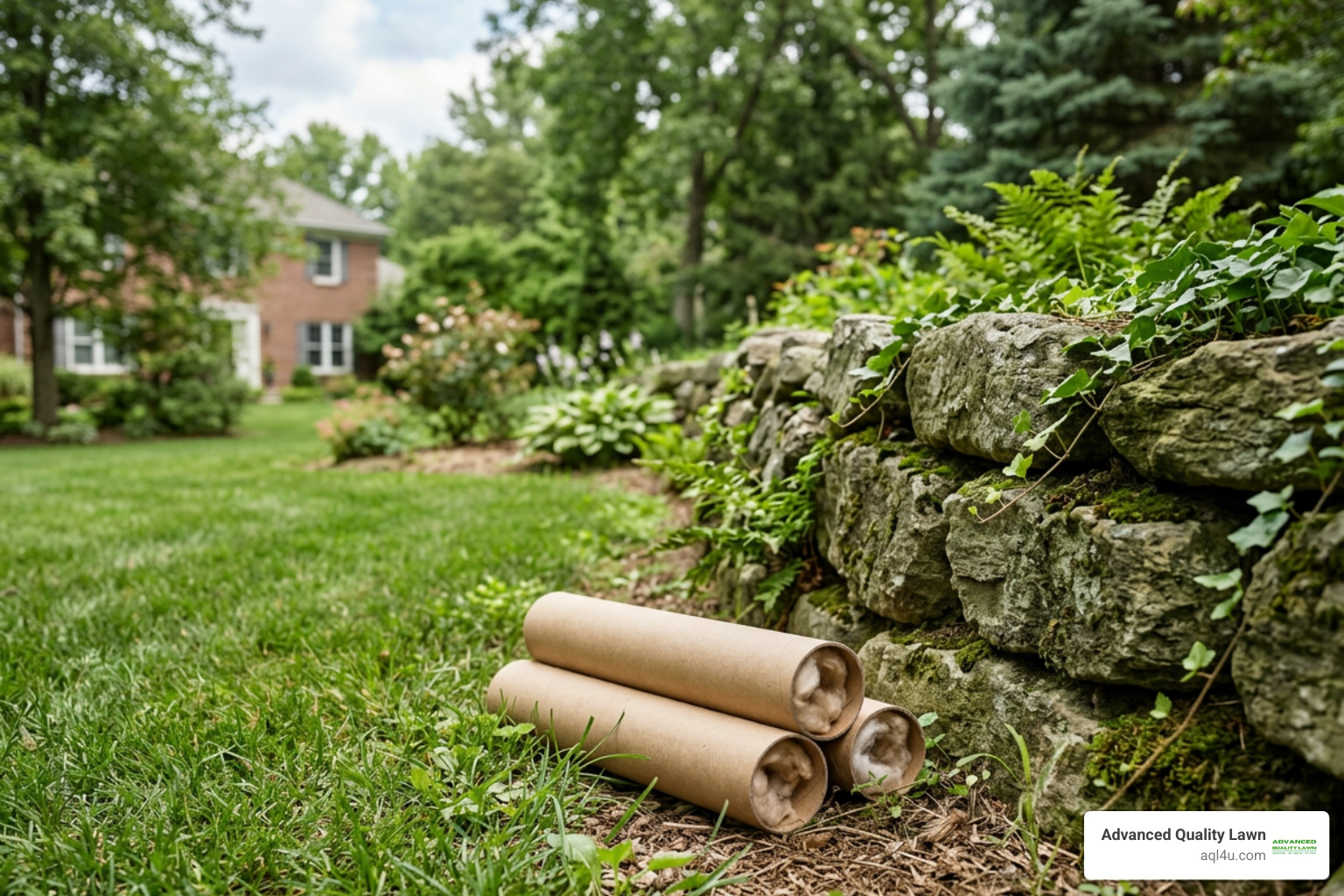
White-footed mice (Peromyscus leucopus) are the primary reservoir host for the Lyme disease bacterium. Biodegradable tick tubes contain cotton balls treated with permethrin. Mice collect this soft cotton to line their underground nests, and the permethrin binds to the oils in the mouse's fur, killing attached ticks without harming the mouse.
A two-season trial found that subadult ticks on white-footed mice dropped 37 percent in the first year and 91 percent in the second year following tick tube deployment. Place roughly 24 tubes per acre twice per year: once in April or May to catch emerging nymphs, and once in late July or August to treat emerging larvae. Focus tube placement along stone walls, woodpiles, and dense brush.
Deer Exclusion and Landscape Deterrence Strategies
White-tailed deer (Odocoileus virginianus) do not transmit Lyme bacteria, but they serve as the primary mating ground and transport system for adult ticks.
To discourage deer from bringing ticks onto your lawn:
- Install an 8-foot-tall physical deer fence if your local zoning permits it.
- Avoid planting deer favorites like hostas, tulips, and arborvitae near the perimeter of your lawn.
- Plant deer-resistant selections such as lavender, boxwood, daffodils, marigolds, yarrow, and Russian sage.
- Store wild bird feeders away during peak spring and summer months, as spilled seed attracts both deer and mice directly to your patio edges.
DIY vs. Professional Management: Avoiding Common Tick Control Mistakes
Many property owners make the mistake of treating their entire open lawn while ignoring shady property margins. Blanket spraying sunny grass wastes product, disrupts beneficial turf organisms, and fails to address the humid transition zones where 90 percent of ticks reside.
Other common mistakes include failing to calibrate application equipment, resulting in weak chemical concentrations that do not penetrate dense groundcover, and skipping seasonal follow-up treatments.
While simple habitat cleanup and tick tubes are straightforward DIY tasks, managing extensive acreage or heavy woodland interfaces often benefits from calibrated equipment. For integrated landscape protection, consider professional options like our Perimeter Pest Control program.
Frequently Asked Questions About Eliminating Ticks in Yards
Can ticks survive in a dry, mowed lawn?
Ticks can wander onto mowed grass on a passing host, but they rarely survive long in sunny turf. Ticks lose water rapidly when ambient relative humidity drops below 80 percent, and exposure to dry air and direct sunlight generally causes desiccation and death within 24 to 48 hours.
Do natural predators like opossums or guinea fowl eliminate ticks?
While guinea fowl consume insects, they are not reliable standalone tick control tools for residential properties. The popular belief that Virginia opossums eat thousands of ticks per week was debunked by a study by Hennessy and Hild, which examined wild opossum stomach contents and found zero tick material. Opossums groom ticks off and discard them rather than seeking them out as a dietary staple.
When is the most critical time of year to spray for ticks?
The single most important application window is mid-May through early June. This period targets newly emerged nymph-stage blacklegged ticks, which present the highest risk of disease transmission due to their tiny size. A secondary perimeter application in October targets host-seeking adult ticks before cold weather sets in.
Conclusion
Protecting your outdoor living space from ticks requires an integrated approach that targets both tick habitat and animal vectors. By creating a dry 3-foot gravel barrier, keeping turf trimmed, managing rodent nesting areas with tick tubes, and applying targeted perimeter treatments during peak nymph activity in late spring, you can dramatically lower tick numbers on your property.
At Advanced Quality Lawn, we provide proven, dependable solutions backed by decades of experience across Summit, Cuyahoga, Medina, Portage, Lorain, Geauga, Stark, and Wayne counties. Explore our professional lawn care and maintenance services to keep your turf healthy, clean, and enjoyable all season long.