
A Homeowner's Guide to Chinch Bug Prevention and Treatment
Stop Chinch Bugs Before They Destroy Your Lawn
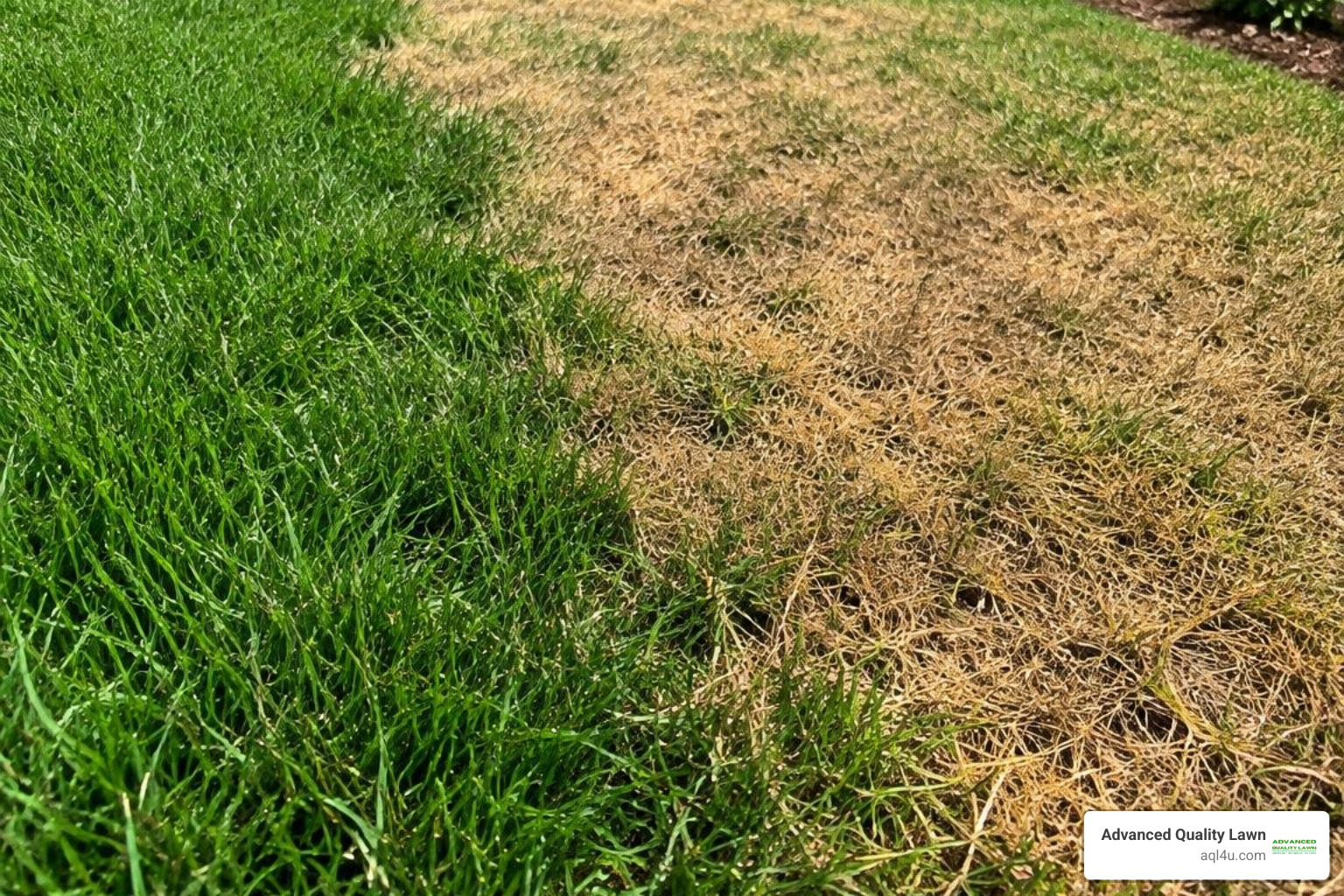
Effective chinch bug control starts with confirming the pest, then treating the active edge of the damage before it spreads. Check yellow or brown patches that do not improve after watering, especially in hot, sunny spots near sidewalks or driveways. Use a simple coffee can float test to find the bugs, treat confirmed infestations with a lawn product labeled for chinch bugs, and improve watering, mowing, and thatch management to help prevent another outbreak.
Chinch bugs feed at the base of grass plants, removing sap and injecting saliva that causes blades to yellow, wilt, and die. Their damage often looks like drought stress, but watering alone will not revive turf that is still under attack. Fast action matters because populations can build quickly in hot, dry weather.
I am Andrew Day, owner of Advanced Quality Lawn in Northeast Ohio. Our team draws on more than 30 years of lawn care experience to help homeowners identify lawn pests, use practical chinch bug control methods, and restore healthier turf.
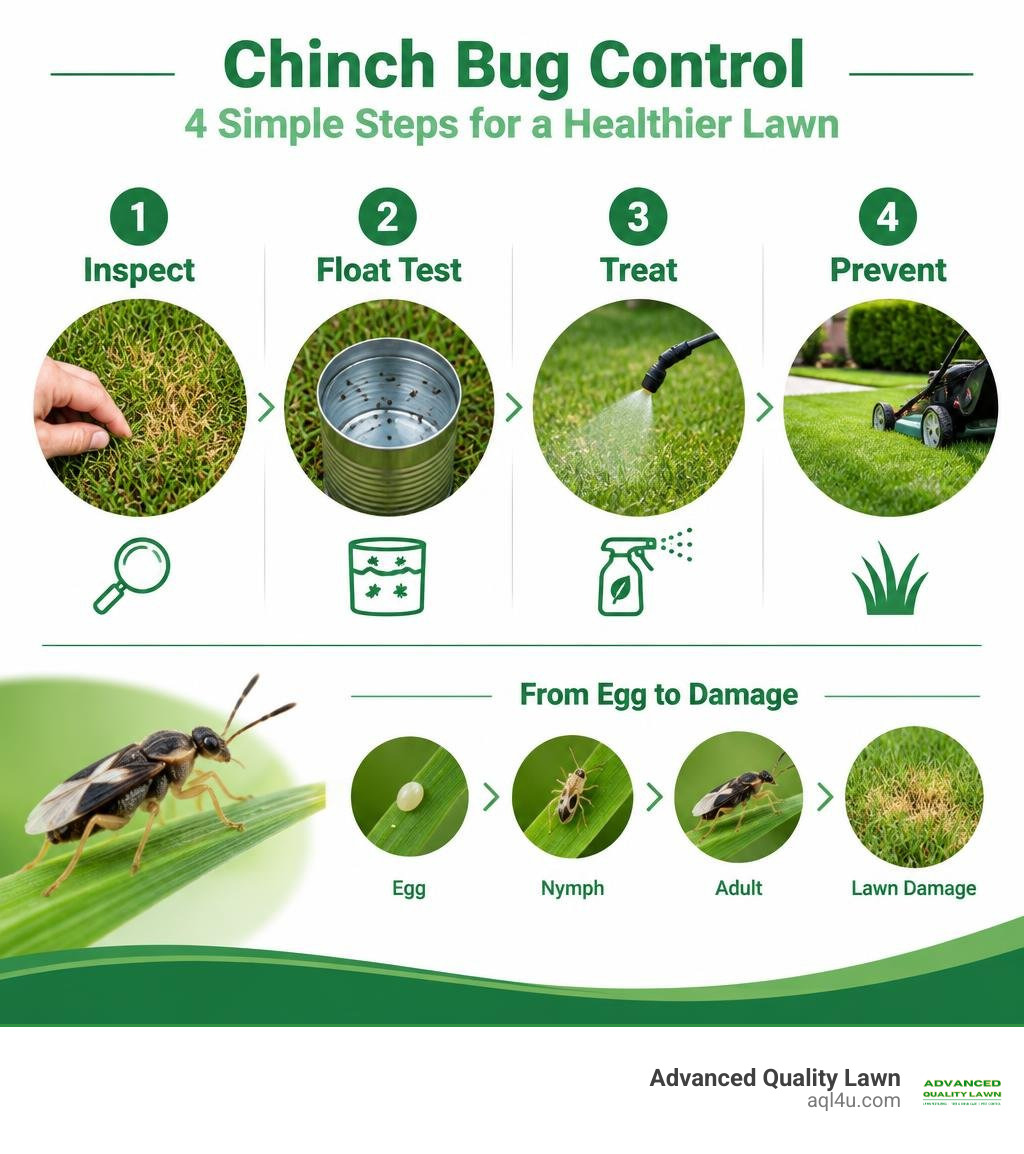
Understanding Chinch Bugs: Identification, Life Cycle, and Lawn Damage
Chinch bugs are small insects from the Blissus genus that feed on turfgrass. They cause extensive damage by piercing grass stems with their needle-like mouthparts. As they suck out moisture and vital nutrients, they release salivary toxins into the plant tissue. These toxins clog the vascular system of the grass blade, preventing water from traveling upward. The result is rapid browning, wilting, and complete turf death.

Identifying Adult Chinch Bugs and Nymphs
Adult chinch bugs measure roughly one-sixth of an inch in length, which is about 3 to 3.6 mm long. They feature black bodies with white wings folded flat over their backs. When folded, these wings create a distinct black triangular marking on each side.
Immature chinch bugs go through five distinct growth stages called instars. Newly hatched nymphs measure smaller than a pinhead and display a bright orange or red color with a distinct white horizontal stripe across their midsection. As they mature through later instars, they darken from red-orange to brown and finally turn black before growing adult wings.
Homeowners frequently mistake beneficial big-eyed bugs for damaging chinch bugs. Distinguishing between them prevents unnecessary pesticide applications that might eliminate natural predators.
| Feature | Chinch Bug (Blissus spp.) | Big-Eyed Bug (Geocoris spp.) |
|---|---|---|
| Body Shape | Slender, elongated, oval | Broader, wider, oval to shield-shaped |
| Head and Eyes | Narrow head with small eyes | Broad head with large, protruding eyes |
| Coloring | Black body, white wings with black triangles | Gray, tan, or brown with a shiny sheen |
| Nymph Appearance | Bright red-orange with a white band | Gray to bluish-gray, resembles miniature adult |
| Lawn Role | Destructive sap-feeding pest | Beneficial predator that consumes pests |
Chinch Bug Damage vs. Drought Stress
The earliest sign of an infestation is yellowing turf that fails to respond to heavy irrigation. Because chinch bugs inject a toxin that blocks internal water movement, grass blades wilt and turn brown even when the surrounding soil is moist.
Damage usually starts along hot, sunny lawn borders such as concrete driveways, stone walkways, and street curbs. Heat radiating from paved surfaces warms the nearby thatch layer and accelerates insect feeding. Irregular brown patches expand outward over several days, leaving dead centers surrounded by yellow halos where active insects feed. The UC IPM guidelines on southern chinch bugs confirm that hot microclimates along paved areas create ideal conditions for rapid turf decline.
Life Cycle, Seasonal Activity, and Temperature Triggers
Adult chinch bugs overwinter in dense thatch layers, tall ornamental grasses, and sheltered foundation plantings. As spring temperatures warm above 65°F, adults become active, mate, and begin laying eggs in the turf canopy.
A single female can lay up to 250 to 500 eggs over her lifespan, with peak egg production occurring across three to four weeks. Egg incubation takes approximately 9 to 14 days during summer heat. Chinch bug activity spikes dramatically when temperatures climb above 90°F. The University of Georgia CAES research on southern chinch bug biology notes that nymph development accelerates during sustained heat waves, leading to overlapping life stages and substantial turf loss in mid-summer.
How to Test for Infestations: The Coffee Can Flotation Method
Visual inspection alone is challenging because adult chinch bugs are tiny and nymphs hide deep within the duff layer. The coffee can flotation test is the standard diagnostic method used by turf specialists to verify active populations.
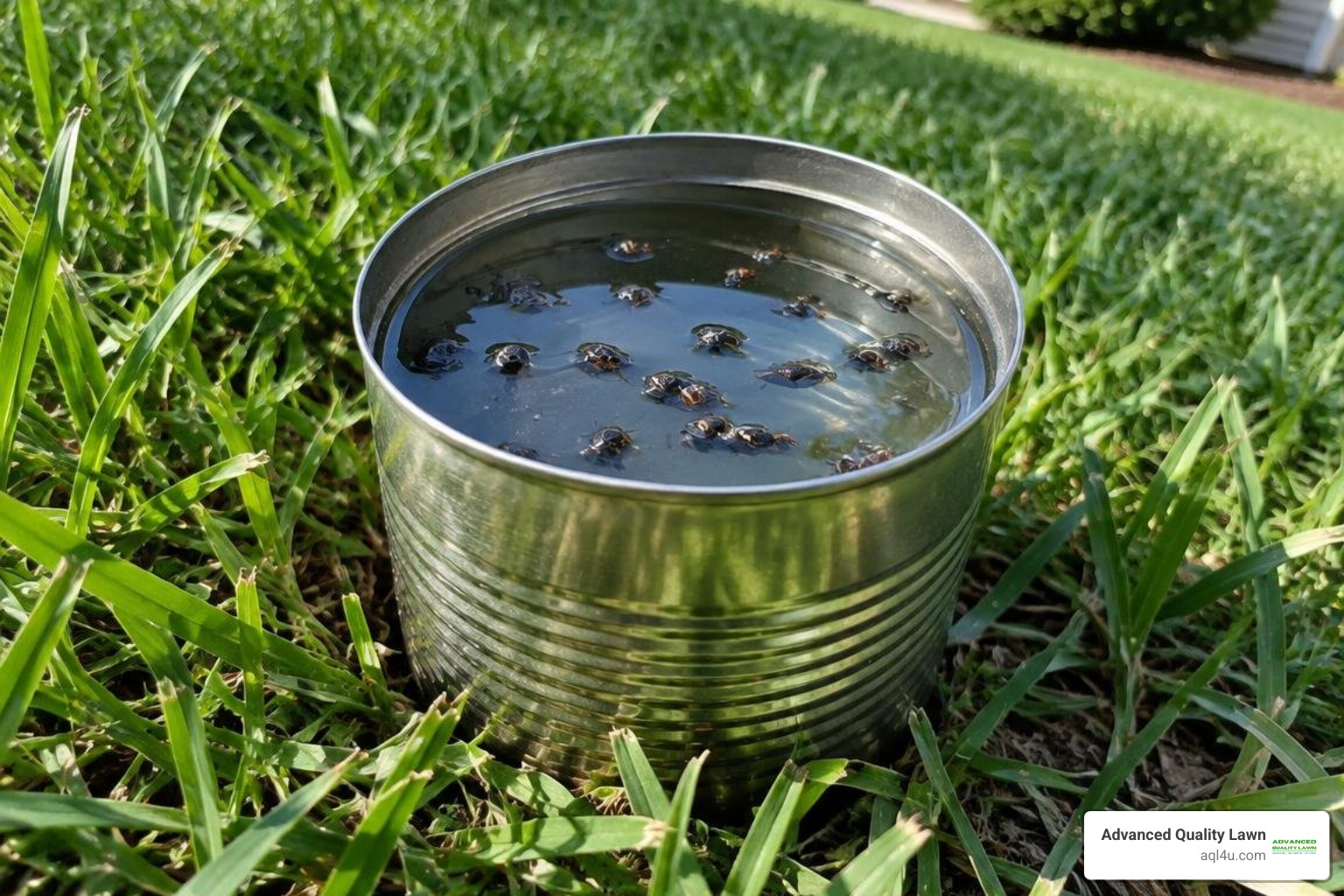
Step-by-Step Coffee Can Float Test
- Take a standard metal coffee can or a 4 to 6-inch diameter metal cylinder and remove both the top and bottom lids cleanly.
- Select a test area at the perimeter of a damaged patch where the grass is yellowing rather than completely dead.
- Push the metal cylinder 2 to 3 inches down into the turf and soil, twisting slightly to cut through the grass roots and thatch without disturbing the surface.
- Fill the cylinder with water to the top rim. Keep a garden hose or water bucket nearby, as water will slowly seep into the surrounding soil.
- Maintain a high water level for 5 to 10 minutes by gently adding more water as needed.
- Agitate the floating grass debris lightly with a stick. As water fills the soil pores, chinch bugs will lose their grip, float to the water surface, and swim toward the sides of the can.
Interpreting Test Results and Damage Thresholds
Count all adult chinch bugs and orange nymphs floating on the water surface. According to the University of Wisconsin Extension guide on turf disorders, finding an average of 2 to 3 chinch bugs per coffee can indicates an active infestation that warrants treatment.
On a broader scale, damage typically becomes visible when populations reach 20 to 25 chinch bugs per square foot. In neglected lawns during late summer, populations can surge beyond 200 insects per square foot. Regularly monitoring for destructive lawn bugs helps you catch these population spikes early.
Chemical and Biological Chinch Bug Control Methods
Managing an established population requires combining biological suppression, cultural lawn adjustments, and targeted applications of approved insecticides.
When to Apply Chemical Chinch Bug Control Products
Timing is essential when using chemical treatments. Target applications when the first nymph instars hatch in late spring or early summer. Applying treatments in the late afternoon prevents rapid evaporation and shields light-sensitive active ingredients from direct midday sun.
For widespread infestations, applying lawn insect killer granules with a calibrated broadcast spreader provides uniform coverage across the thatch layer. Selecting effective insect control for lawns involves matching the active ingredient to the specific life stage of the pest. Liquid contact sprays containing bifenthrin, cyfluthrin, or deltamethrin provide rapid knockdown of surface adults, while systemic products containing clothianidin or chlorantraniliprole protect grass blades from feeding nymphs over an extended window.
Natural Predators and Biological Treatments
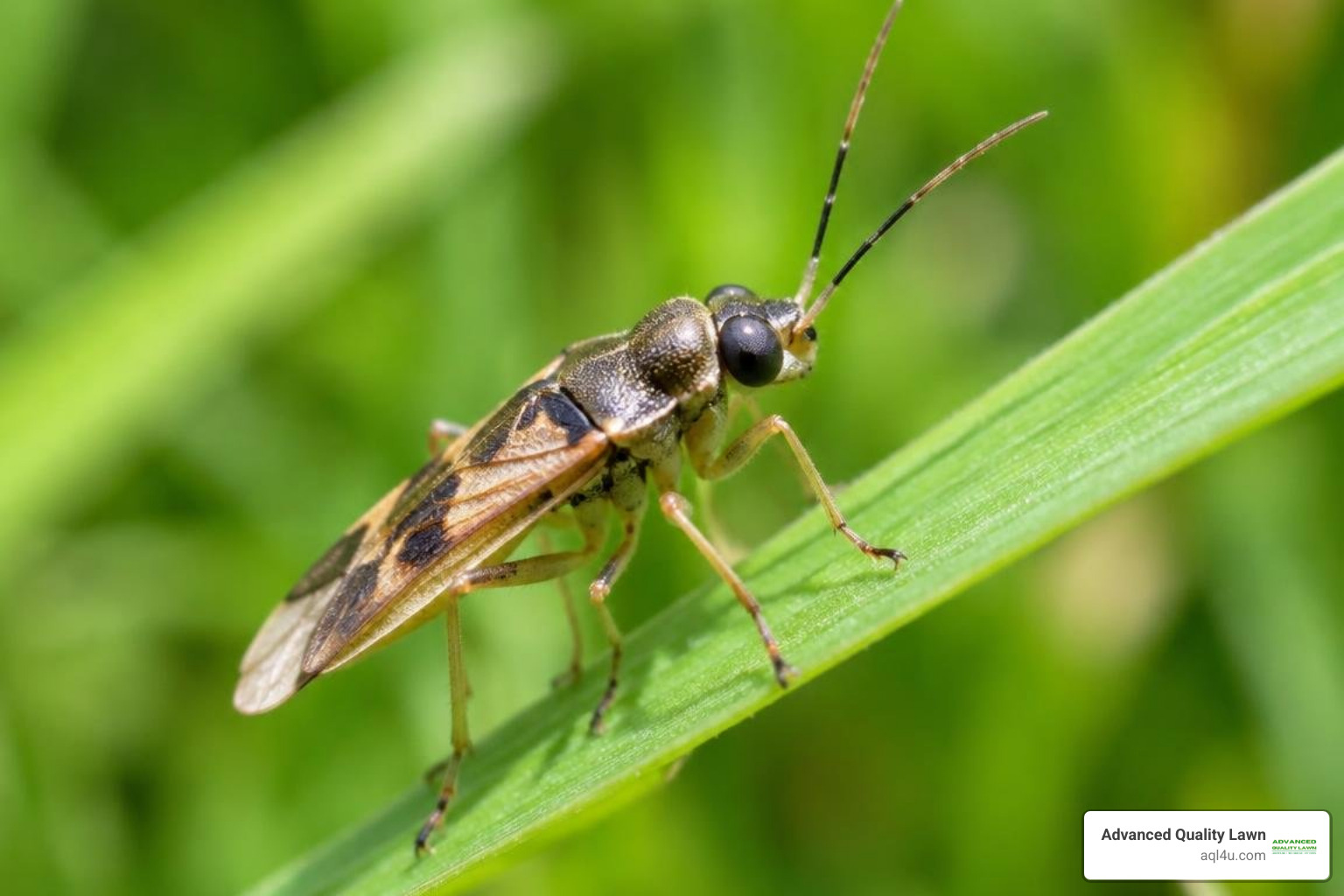
Healthy turf ecosystems contain several beneficial predators that suppress chinch bug numbers naturally. Big-eyed bugs (Geocoris species), minute pirate bugs, hunting spiders, and parasitic wasps hunt both nymphs and adult chinch bugs.
Biological applications using the beneficial insect-pathogenic fungus Beauveria bassiana provide effective control under humid conditions. When applied to moist turf, the fungal spores attach to the chinch bug cuticle, germinate, and penetrate the body wall, naturally reducing the pest population without harming beneficial pollinators.
Managing Insecticide Resistance in Chinch Bug Populations
Repeated use of a single chemical class can lead to pesticide resistance. Chinch bug populations in various regions have shown reduced sensitivity to common pyrethroid insecticides after years of repeated applications.
To maintain effective control, rotate products across different Insecticide Resistance Action Committee (IRAC) mode-of-action groups. For example, alternate between Group 3A pyrethroids, Group 4A neonicotinoids, and Group 28 diamides across consecutive seasons. The Texas A&M AgriLife Extension chinch bug management recommendations emphasize that rotating chemical classes prevents resistant biotypes from becoming dominant in residential neighborhoods.
Preventing Infestations: Cultural Practices and Grass Selection
Strong cultural lawn management creates an environment where chinch bugs struggle to establish large colonies. A 2019 University of Florida study found that lawns maintained with proper cultural practices had 60% fewer chinch bugs than neglected lawns in the same neighborhood.
Cultural Practices for Chinch Bug Control
- Thatch Reduction: Maintain a thatch layer under 0.5 inches. Thick thatch provides shelter from predators and shields chinch bugs from treatments. Power raking in early spring or scheduling annual core aeration breaks up heavy organic layers.
- Proper Fertilization: Avoid excessive fast-release synthetic nitrogen. Lush, nitrate-heavy grass blades provide ideal food for nymphs, leading to faster reproduction. Use balanced, slow-release fertilizers to promote sturdy cell walls.
- Deep Watering: Water deeply and infrequently rather than providing light daily sprinklings. Providing 1 inch of water once or twice per week encourages deep root systems and creates soil humidity that promotes beneficial fungal pathogens.
- Mowing Height: Mow cool-season grasses at a height of 3 to 3.5 inches. Taller grass shades the soil, lowers surface temperatures along the thatch, and slows down chinch bug egg development.
- Landscape Barriers: Implementing the best way to treat your yard for bugs includes combining lawn health practices with protective perimeter pest control around foundations and paved borders.
Choosing Resistant Grass Varieties
Selecting grass varieties with natural insect resistance helps prevent recurring damage.
- Endophyte-Enhanced Cool-Season Grasses: Tall fescue, fine fescue, and perennial ryegrass cultivars bred with symbiotic endophyte fungi produce natural alkaloids that deter chinch bug feeding.
- Captiva and FX-10 St. Augustinegrass: These specialized warm-season cultivars exhibit natural resistance to chinch bug feeding compared to older varieties like Floratam, which have lost resistance to newer insect biotypes.
- Alternative Warm-Season Grasses: Zoysiagrass and celebration bermudagrass feature tougher leaf textures that are less appealing to chinch bugs than standard St. Augustinegrass.
Common Lawn Care Mistakes That Worsen Damage
- Assuming Lawn Stress Is Just Drought: Homeowners often run irrigation systems for hours on dead grass, not realizing that chinch bugs are destroying the vascular tissue.
- Watering In Contact Sprays Incorrectly: Liquid contact insecticides must coat the base of the grass blades where insects live. Heavy irrigation immediately following a contact spray washes the chemical down into the soil below the target zone.
- Treating Only the Dead Patch: Chinch bugs migrate away from dead grass toward healthy turf. Always apply treatments 5 to 10 feet beyond the visible edge of damage.
- Over-Fertilizing Stressed Turf: Applying fast-release nitrogen to damaged turf stimulates succulent growth that attracts remaining insects. Reviewing a comprehensive bug control guide will help you avoid these application errors.
Frequently Asked Questions About Lawn Pests
Can grass recover on its own after a chinch bug infestation?
Turf recovery depends on the extent of the damage. If an infestation is caught early while grass crowns and stolons are still alive, regular watering and balanced feeding can help the lawn recover. However, when chinch bugs kill the plant crown, that section of the lawn will not regenerate. Severely damaged areas require mechanical dethatching followed by overseeding or sod installation to restore uniform turf cover.
How fast can chinch bugs destroy a residential lawn?
Under hot, dry summer conditions with temperatures above 90°F, a heavy chinch bug population can destroy large sections of a lawn within two to three weeks. Because a single female can lay hundreds of eggs and populations can exceed 200 insects per square foot, damage expands rapidly outward from initial hot spots near paved surfaces.
How do I tell the difference between chinch bugs and beneficial big-eyed bugs?
Look closely at the insect head and body structure with a magnifying glass. Beneficial big-eyed bugs have wide heads with prominent, bulging eyes that wrap around the side of the head, and their bodies are wider and oval-shaped. Harmful chinch bugs have narrow heads with small eyes, slender bodies, and distinct white wings marked with black triangular patches folded over their backs.
Conclusion
Protecting your lawn from chinch bug destruction requires proactive monitoring, accurate pest identification, and consistent cultural care. Performing a coffee can float test at the first sign of summer yellowing allows you to stop pests before extensive turf death occurs. Combining thatch management, proper mowing heights, and balanced fertilization builds a resilient lawn that naturally resists insect stress.
When extensive infestations require professional expertise, our team at Advanced Quality Lawn provides comprehensive solutions throughout Summit County, Stark County, Cuyahoga County, Medina County, Portage County, Wayne County, Geauga County, and Lorain County. We back our customized treatments with service calls and full-program guarantees across more than 99 local zip codes. Protect your outdoor living space by scheduling professional lawn care and maintenance with our experienced specialists today.