Choosing Chinch Bug Lawn Control Products
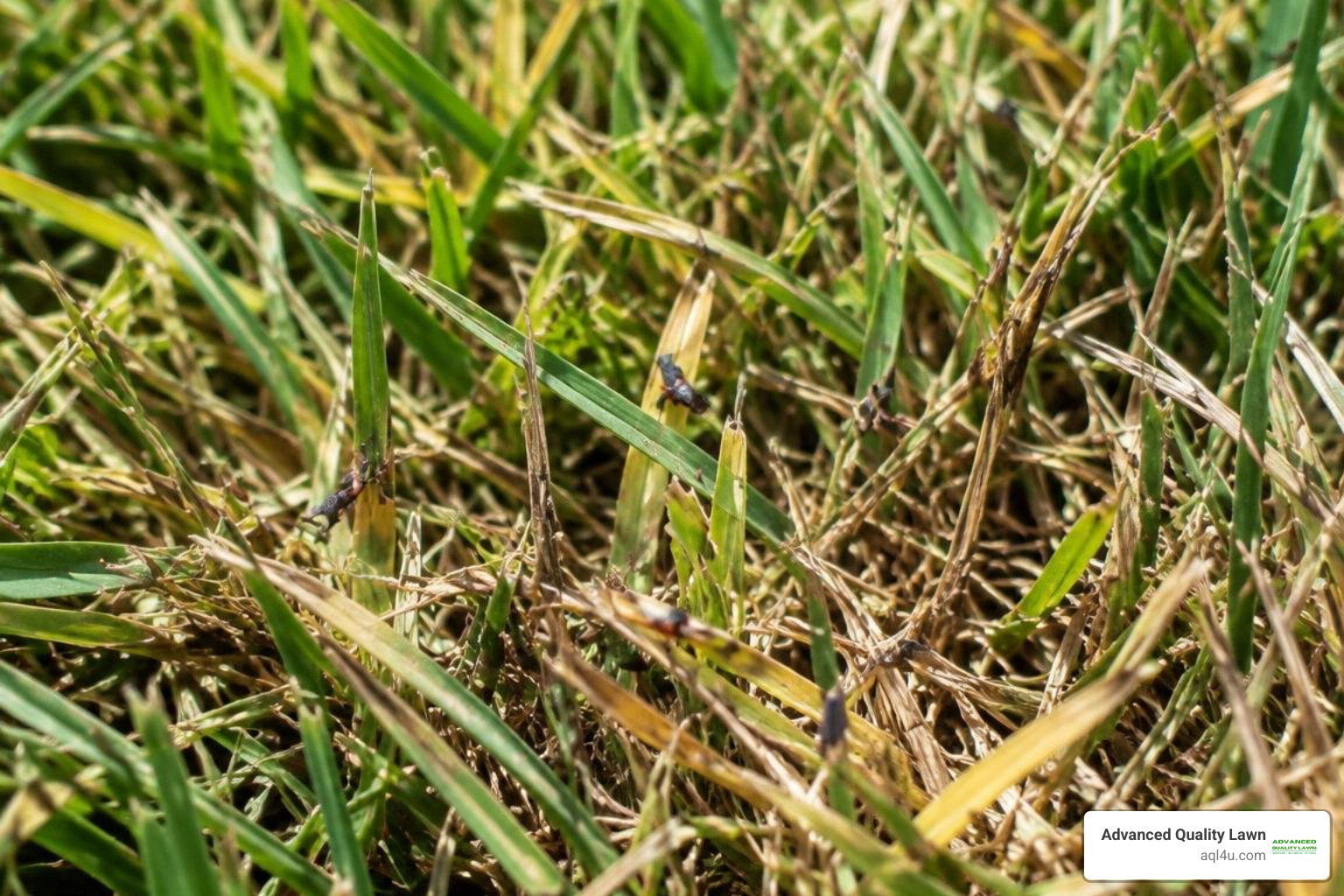
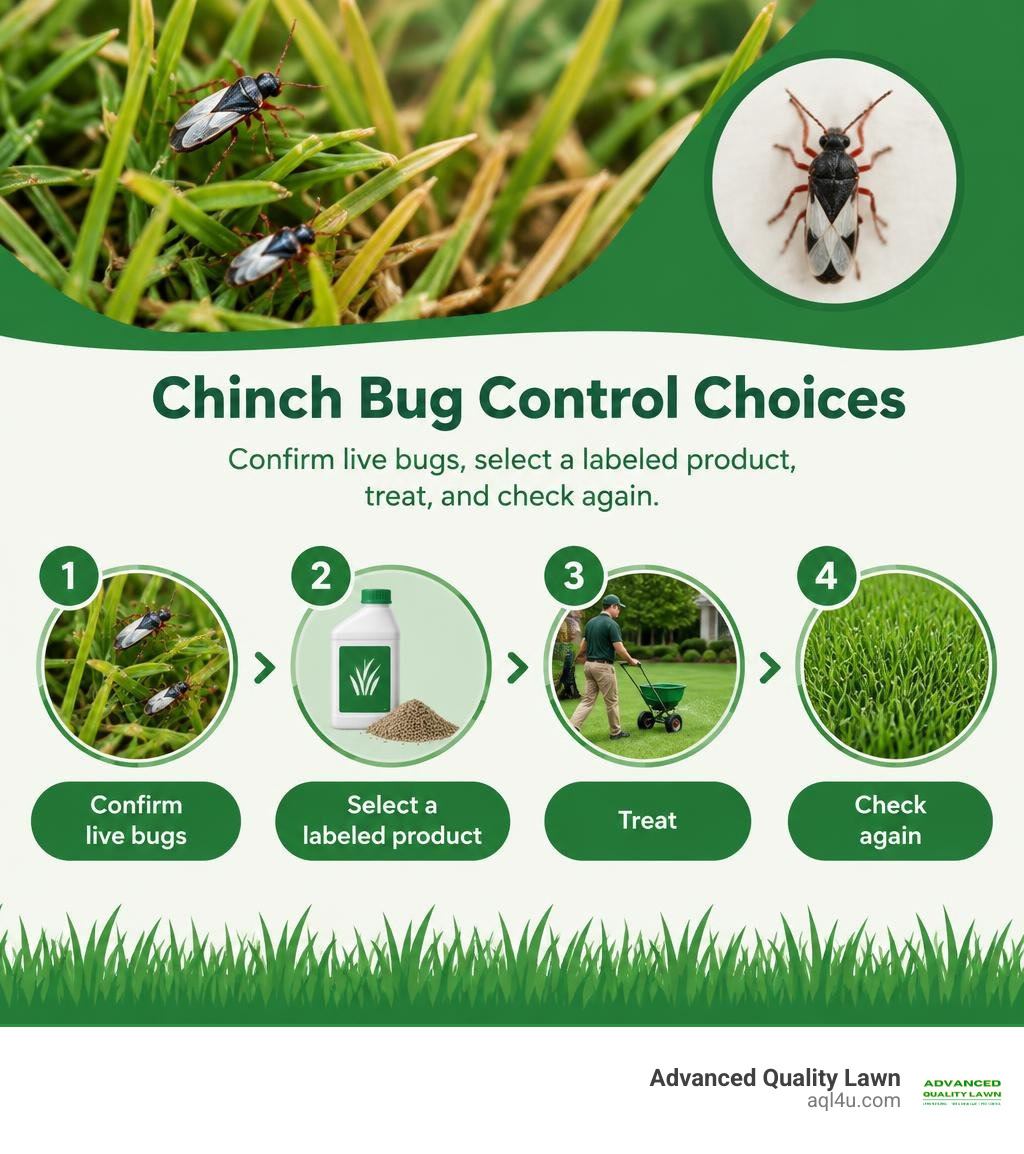
For chinch bug lawn control, first confirm that bugs are feeding in the yellowing grass. If they are, choose a lawn insecticide labeled for chinch bugs, such as a liquid or granular product containing bifenthrin or lambda cyhalothrin. Treat the affected area at the label rate, then check for live bugs again. The right product matters, but treating early and following the label matter just as much.
I’m Andrew Day, owner of Advanced Quality Lawn in the Akron area. My team draws on more than 30 years of lawn care experience when helping homeowners with chinch bug lawn control and damaged turf.
Identifying Chinch Bugs and Lawn Damage Symptoms
Chinch bugs are small surface feeding insects that cause extensive turfgrass damage throughout the warm summer months. In Northeast Ohio, the hairy chinch bug (Blissus leucopterus hirtus) is the primary culprit affecting cool season grasses like Kentucky bluegrass, fine fescues, and perennial ryegrass. In other regions, property owners battle the southern chinch bug (Blissus insularis) or the western chinch bug (Blissus occiduus).
Adult chinch bugs measure approximately 1/6 inch long. They possess black bodies, reddish legs, and white wings folded flat over their backs with a distinct black triangular marking that forms an "X" pattern. Nymphs hatch from microscopic eggs and start out about half the size of a pinhead. They exhibit a bright orange or brick red color with a distinct white band across their midsection, gradually turning darker gray and black as they mature through five instar stages over four to six weeks.
These pests feed by inserting piercing-sucking mouthparts into grass stems and crowns. While extracting essential sap, they inject a toxic salivary fluid that clogs the vascular system of the plant. This prevents water and nutrients from moving through the leaves. The earliest sign of feeding is irregular, wilted turf that turns yellow, develops an orange-purple halo, and eventually turns crisp and straw brown.
Because chinch bug damage resembles drought stress, homeowners often make the mistake of adding more water without inspecting the soil line. Drought-stressed grass responds to deep watering within a few days, whereas chinch bug damaged turf continues to decline and die.
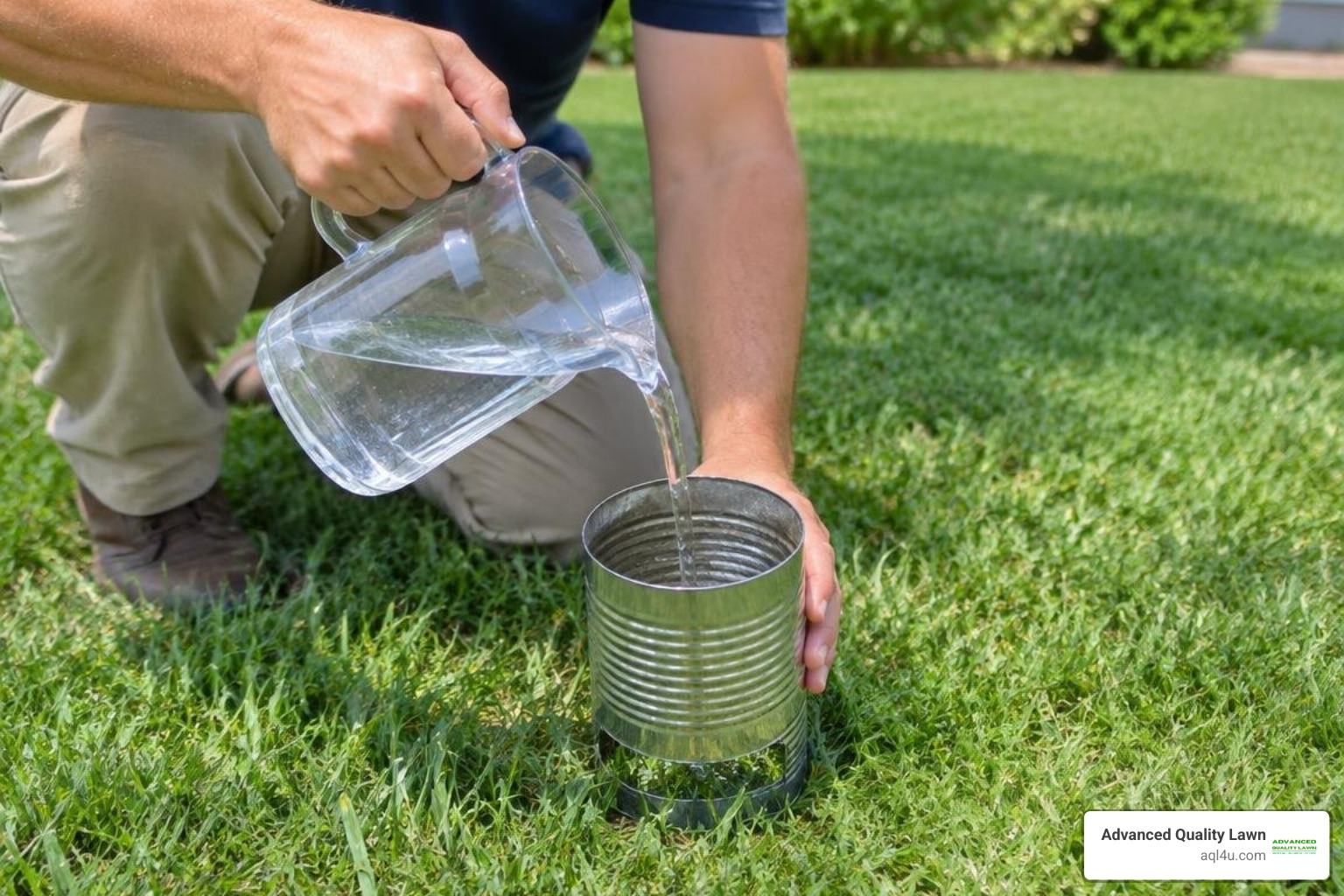
To confirm an infestation, use the flotation can method:
- Cut out both ends of a metal cylinder, such as a four-inch or six-inch coffee can.
- Push one end two to three inches deep into the soil at the border where yellowing grass meets green turf.
- Fill the can with water and keep it filled for five to ten minutes, stirring the turf debris gently.
- Count the chinch bugs that float to the surface.
Academic findings, such as the University of Nebraska research on chinch bug biology, note that these pests thrive in hot, dry microclimates. Choosing the best insect control for lawns starts with verifying whether population numbers justify intervention.
Identifying Damage Requiring Chinch Bug Lawn Control
Not every lawn with a few insects requires treatment. An established, healthy lawn can easily tolerate low pest densities without showing visible stress. However, when populations reach the economic injury level, chemical intervention becomes necessary to prevent turf loss.
The standard threshold for action occurs when sampling reveals 15 to 20 chinch bugs per square foot. In heavy infestations, populations can skyrocket to 150 or even 200 insects per square foot. When using the flotation can test, an average of more than 2 bugs in a four-inch can or 4 to 5 bugs in a six-inch can indicates damaging numbers that require prompt control.
Always inspect sunny slopes, south-facing banks, and turf areas directly adjacent to concrete sidewalks, driveways, and brick foundations. These hard surfaces absorb heat and create dry microclimates where chinch bugs multiply rapidly.
Best Chemical and Biological Products for Chinch Bug Lawn Control
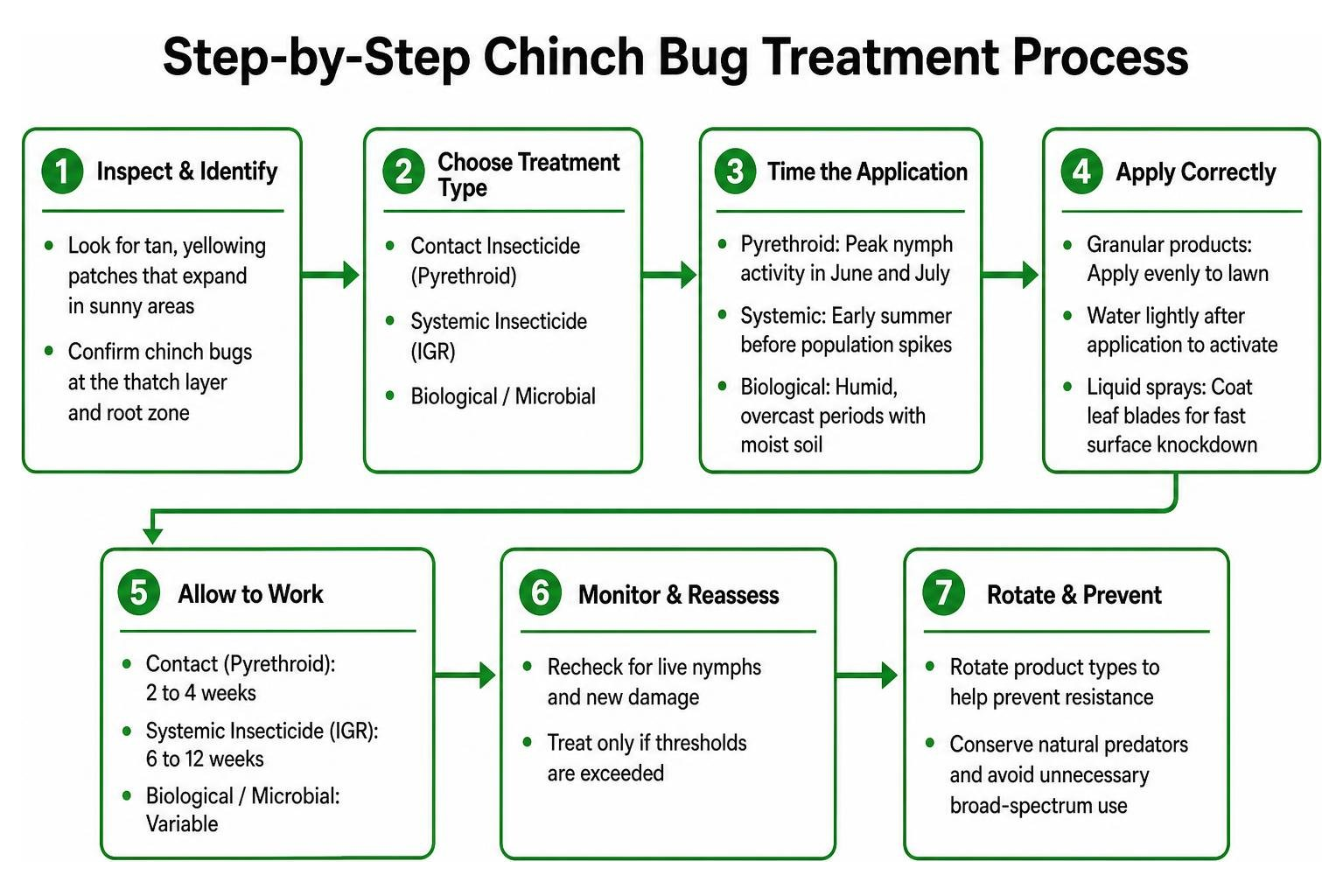
Choosing the best product requires understanding how different formulations work within the turf canopy. Control products fall into three primary categories: contact pyrethroids, systemic insecticides, and biological controls.
For full season protection, homeowners can refer to our ultimate bug control guide 2026 to integrate surface insect control into an annual yard plan.
| Product Category | Common Active Ingredients | Mode of Action | Best Application Timing | Residual Control |
|---|---|---|---|---|
| Contact Pyrethroid | Bifenthrin, Lambda-Cyhalothrin, Permethrin | Rapid surface nerve contact | Peak nymph activity in June and July | 2 to 4 weeks |
| Systemic Insecticide | Clothianidin, Imidacloprid, Chlorantraniliprole | Root uptake and plant ingestion | Early summer before population spikes | 6 to 12 weeks |
| Biological / Microbial | Beauveria bassiana, Beneficial Nematodes | Natural fungal infection and parasitism | Humid, overcast periods with moist soil | Variable |
Contact Insecticides and Pyrethroids
Contact pyrethroids represent the most common curative options for knocking down active chinch bug populations. Active ingredients such as bifenthrin, lambda-cyhalothrin, and permethrin work on contact, paralyzing the insect nervous system within hours of application.
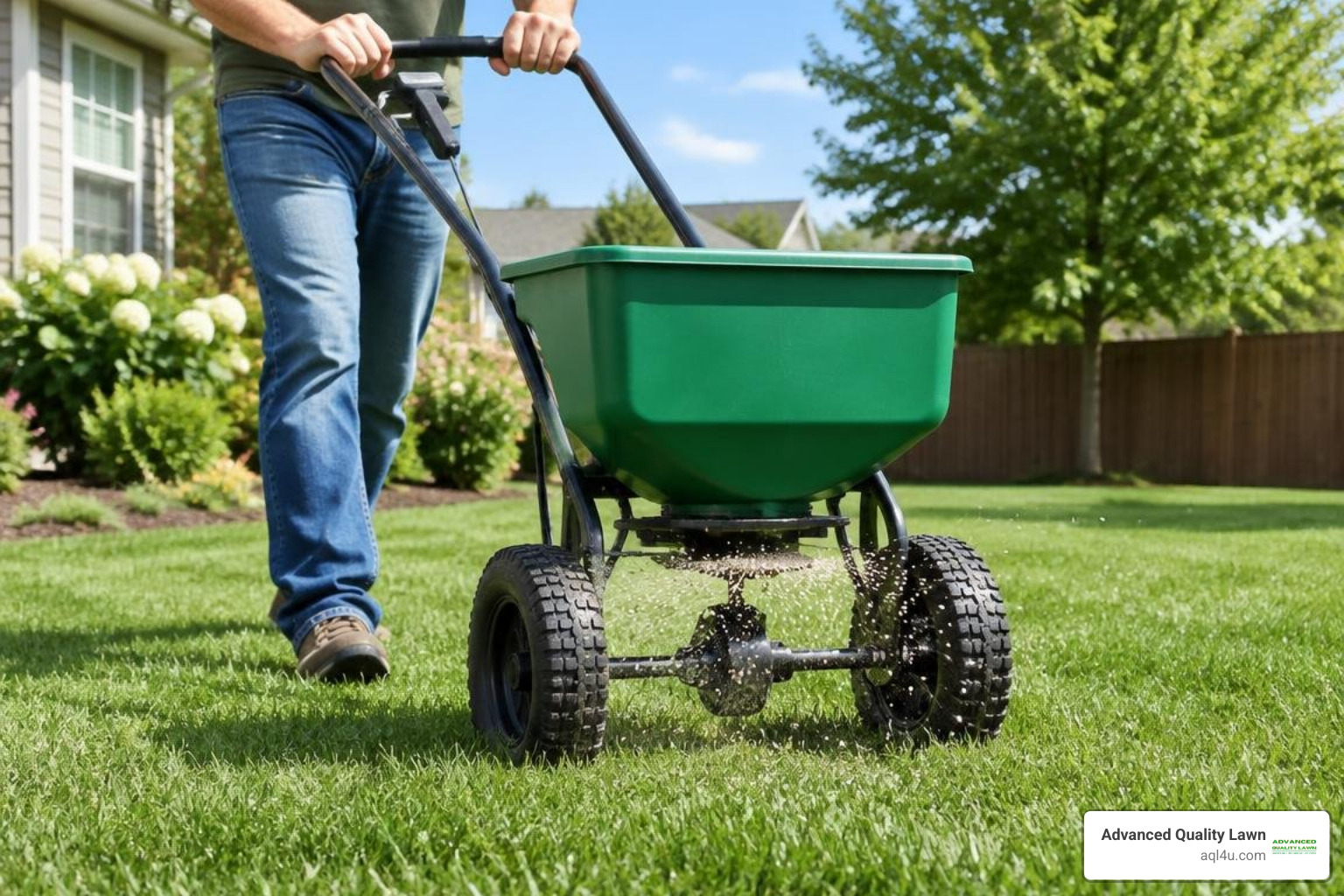
These products are available in both liquid and granular formulations. Granular pyrethroids settle down through the grass blades directly into the thatch layer where chinch bugs feed and shelter. They require light post-application watering to activate the granules and release the active ingredient into the root zone. Liquid sprays coat the leaf blades and provide fast surface knockdown, making them ideal for quick perimeter barrier treatments around patios and walkways.
Systemic Insecticides and Insect Growth Regulators
Systemic products offer extended residual defense by moving directly into the grass tissue. When chinch bugs pierce the stem to feed on sap, they ingest the compound and stop feeding immediately.
Active ingredients like clothianidin, imidacloprid, and chlorantraniliprole provide targeted control while reducing the need for repeated contact sprays. Chlorantraniliprole targets insect muscle receptors, offering excellent safety margins for non-target organisms while protecting turf for up to two months. The comprehensive Texas A&M AgriLife chinch bug management study highlights systemic treatments as a foundational tool for breaking multi-generational breeding cycles.
Biological and Microbial Treatments
Homeowners looking for non-chemical or reduced-risk options can turn to natural biological controls. Entomopathogenic fungi such as Beauveria bassiana infect chinch bugs upon contact, growing inside the insect body and creating a powdery white spore bloom that spreads to other nymphs. These fungal applications perform best during humid, warm periods with regular moisture.
Conserving natural predators is equally vital. Big-eyed bugs (Geocoris species), minute pirate bugs, damsel bugs, and predatory ground spiders feed voraciously on chinch bug nymphs and eggs. Big-eyed bugs share a similar size to chinch bugs but feature large, prominent eyes that wrap around their head. Applying broad-spectrum insecticides only when thresholds are exceeded preserves these natural allies and keeps pest populations in balance naturally.
Application Strategies and Resistance Management
Applying the correct product at the wrong time wastes time and money. Because a female chinch bug can lay 200 to 300 eggs over a 50-day period, populations build rapidly as daytime temperatures climb past 70 degrees Fahrenheit. The entire life cycle takes 7 to 8 weeks, leading to two to three overlapping generations per season in northern states.
For actionable elimination steps, review our recommendations on the best way to kill chinch bugs to ensure high product efficacy.
Insecticide Application Methods for Chinch Bug Lawn Control
Precision application is essential for successful pest suppression:
- Spreader Calibration: When applying granular insecticides, calibrate your rotary or drop spreader to ensure even distribution at the exact label rate per 1,000 square feet.
- Watering-In Requirements: Granular products require immediate irrigation of 1/8 to 1/4 inch of water to move the active ingredient off the soil surface and down into the thatch layer.
- Liquid Spray Settings: Use coarse droplets and a high water volume of 3 to 5 gallons per 1,000 square feet to ensure liquid solutions penetrate dense turf canopies. Avoid heavy watering immediately after liquid sprays so the product remains on the foliage.
- Targeted Spot Treatments: Rather than treating the entire yard, treat the damaged zone plus a 10-foot buffer area around the perimeter where actively migrating nymphs congregate.
Managing Insecticide Resistance in Chinch Bugs
Repeated, exclusive use of a single pyrethroid product across multiple seasons can lead to chemical resistance. If a properly applied bifenthrin treatment fails to reduce insect numbers within 5 to 7 days, pyrethroid resistance may be present in the population.
To manage resistance, alternate chemical classes with different modes of action. Rotate between synthetic pyrethroids (Group 3A), neonicotinoids (Group 4A), and anthranilic diamides (Group 28). Always re-inspect the lawn at 5-day and 12-day intervals post-treatment using the flotation test to verify that the population has dropped below the economic threshold.
Lawn Recovery and Cultural Prevention Practices
Chemical products stop active feeding, but cultural lawn care practices prevent future infestations and restore damaged grass.
- Thatch Reduction: Thatch exceeding 1/2 inch creates an ideal, sheltered habitat for chinch bugs to hide from insecticides and natural predators. Core aeration in spring or autumn breaks up dense organic layers and enhances microbial activity.
- Proper Irrigation: Water deeply and infrequently, delivering 1 to 1.5 inches of water weekly to wet the soil to a depth of 6 inches. Avoid frequent, shallow watering cycles that create shallow root systems and weaken plant vigor.
- Endophyte-Enhanced Grasses: When overseeding thin turf, select endophyte-enhanced cultivars of perennial ryegrass or fine fescues. Endophytes are beneficial fungi that live inside the grass plant and produce natural alkaloids that deter surface-feeding insects.
- Balanced Nutrition: Avoid over-applying quick-release nitrogen fertilizers during peak summer heat. Excessive nitrogen causes lush, tender leaf growth that attracts sap-feeding insects and accelerates thatch accumulation.
For southern turf varieties, see our guide on chinch bug control for St. Augustine grass. To keep your turf resilient against insect stress all season long, explore our comprehensive lawn care solutions.
Frequently Asked Questions About Chinch Bug Control
How do I know if my brown grass is caused by chinch bugs or drought?
Perform a flotation can test by inserting a bottomless metal cylinder into the soil at the edge of the brown patch, filling it with water, and watching for floating insects. You can also perform a tug test by pulling gently on the grass blades. Grubs eat roots and cause grass to roll up like a carpet, while chinch bug damaged turf remains firmly anchored to the soil. If deep watering fails to revive the yellowing grass within three to five days, insect feeding is the likely cause.
When is the best time of year to treat for chinch bugs?
The most effective window for curative treatment occurs in late spring to early summer when the first generation of nymphs emerges. In our region, this typically aligns with June and July when soil temperatures warm and daytime highs consistently exceed 70 degrees Fahrenheit. Treating early stage nymphs is much easier than controlling hardened adult populations later in August.
How many chinch bugs per square foot justify chemical treatment?
Chemical control is justified when you find 15 to 20 chinch bugs per square foot alongside visible yellowing or thinning turf. If your lawn is stressed by summer heat and populations exceed 20 to 25 bugs per square foot, immediate spot treatment is necessary to prevent extensive turf death.
Conclusion
Protecting your property from destructive turf pests requires proactive monitoring, accurate pest identification, and targeted treatments. By combining resilient grass varieties with balanced nutrition, proper aeration, and labeled insect control products, you can maintain thick, green grass throughout the summer.
At Advanced Quality Lawn, we provide guaranteed pest control and lawn solutions across Summit, Medina, Cuyahoga, Portage, Wayne, Geauga, Lorain, and Stark counties. If you suspect an insect infestation or want to safeguard your yard, contact our local team to schedule our professional lawn maintenance services today.