
How to Control Crabgrass Before It Spreads
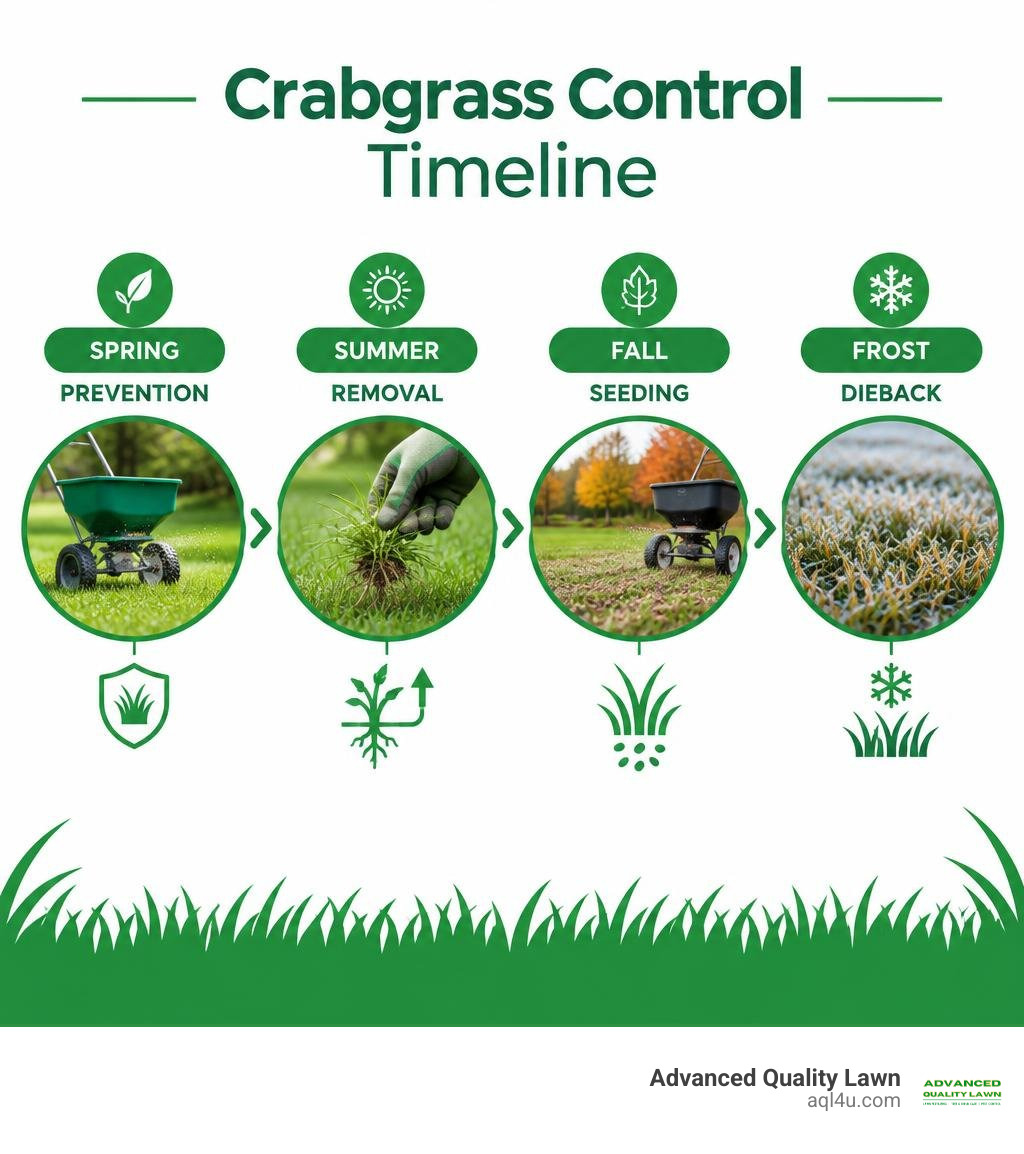
The best control of crabgrass starts before you see it. In spring, apply a crabgrass preventer before soil temperatures stay near 55°F for several days. Keep your lawn thick by mowing at about 3 inches, watering deeply, and seeding thin spots in fall. If crabgrass appears, pull small plants before they set seed or spot treat them with a product labeled for your lawn grass.
Crabgrass grows through summer and dies after the first hard frost, but its seeds can sprout in future years. That is why stopping seed production now and planning ahead for spring both matter.
I’m Andrew Day, owner of Advanced Quality Lawn in the Akron area. Our team draws on more than 30 years of company experience to help Northeast Ohio homeowners with the control of crabgrass and healthier lawns.
Crabgrass Identification and Life Cycle Dynamics
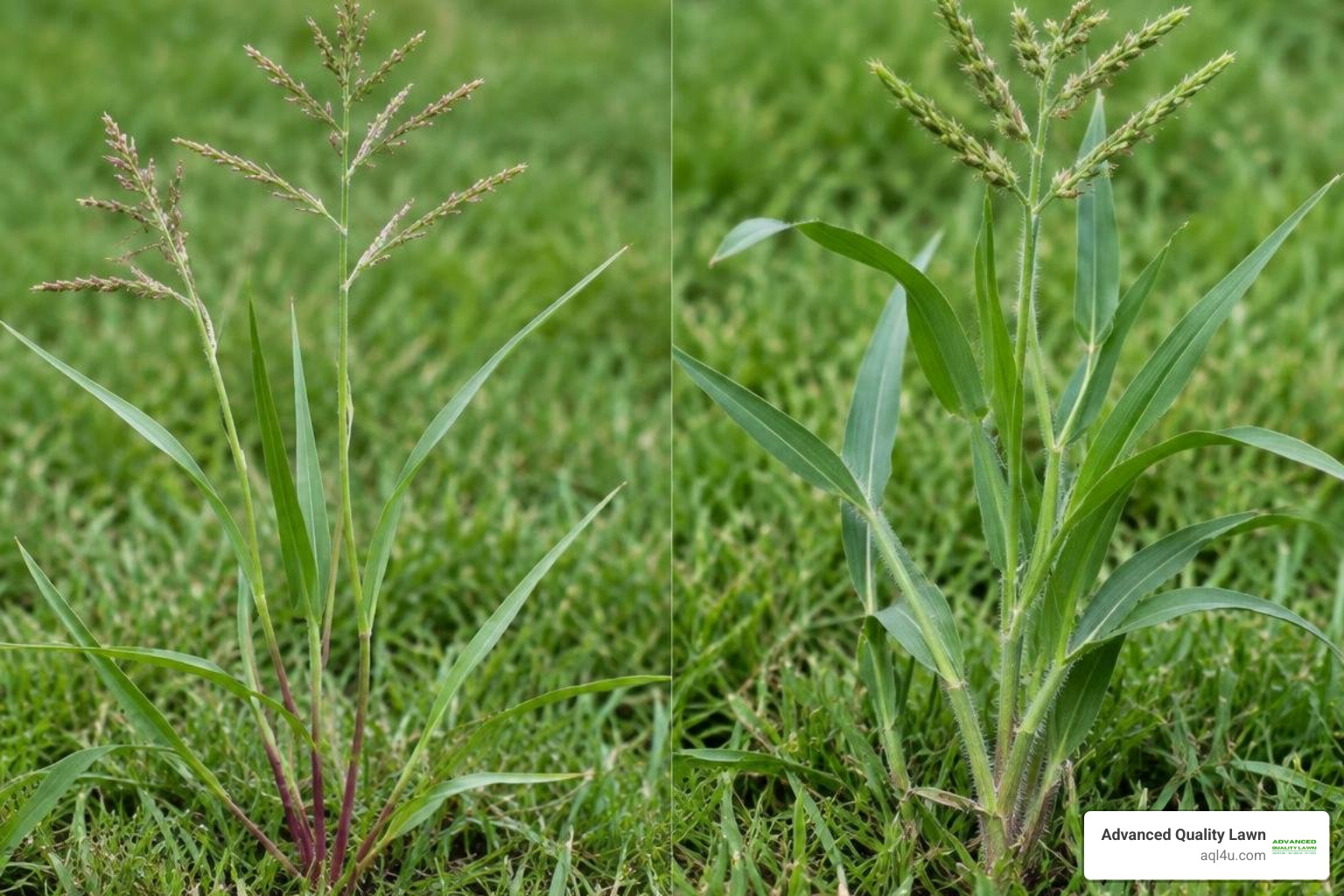
Crabgrass is a stubborn warm-season annual weed that creates light green, coarse patches in thin or stressed turf. It earns its common name from its low, sprawling growth pattern that radiates outward like crab legs. In our Northeast Ohio lawns across Akron, Hudson, Medina, and Cuyahoga Falls, two main species cause headaches for property owners: large crabgrass (Digitaria sanguinalis) and smooth crabgrass (Digitaria ischaemum).
Large crabgrass, often called hairy crabgrass, features distinctly hairy leaf sheaths and blades that can grow up to a quarter-inch wide. Smooth crabgrass is slightly smaller, with hairless leaves and a purplish tint at the base of the stems. Both species reproduce solely by seed, producing finger-like seed heads with two to six spikes. According to the UC IPM crabgrass identification and management guide, understanding these biological traits is the foundation of long-term suppression. A single vigorous crabgrass plant can produce between 100,000 and 150,000 seeds during a single summer, leaving behind an enormous seed bank in your soil.
Distinguishing Crabgrass from Similar Weedy Grasses
Many homeowners mistake other coarse grasses for crabgrass and apply the wrong treatments. Misidentifying the weed wastes time and money because cool-season perennial grassy weeds do not respond to standard crabgrass controls.
- Quackgrass (Elymus repens): Quackgrass is an aggressive cool-season perennial. Unlike annual crabgrass, it spreads through thick, sharp underground rhizomes. You can identify quackgrass by its clasping auricles, which look like tiny claw-like fingers wrapping around the stem at the base of the leaf blade.
- Dallisgrass (Paspalum dilatatum): Dallisgrass is a coarse perennial that grows in distinct, circular bunches with much wider leaf blades. It produces tall, coarse seed heads with black spots on the seeds. It grows earlier in the spring than crabgrass.
- Goosegrass (Eleusine indica): Goosegrass is a warm-season annual that grows flat against the ground in compressed mats. Its center is characteristically silvery-white or pale green, earning it the nickname silver crabgrass. It thrives in heavily compacted, high-traffic soils where crabgrass struggles.
| Weed Species | Life Cycle | Identifying Physical Traits | Collar and Ligule Details | Primary Control Approach |
|---|---|---|---|---|
| Smooth / Large Crabgrass | Warm-Season Annual | Sprawling, light green blades, lime color, finger-like seed heads | Membranous, jagged ligule, and hairy or smooth sheaths | Pre-emergent barriers, quinclorac post-emergent |
| Quackgrass | Cool-Season Perennial | Upright, deep green, rough blades, underground rhizomes | Long clasping auricles wrapping the stem | Manual removal, non-selective spot treatment |
| Dallisgrass | Warm-Season Perennial | Clumping bunches, very wide coarse blades, dark seed spots | Tall membranous ligule, hairy base of leaf | Selective perennial graminicides, digging root crowns |
| Goosegrass | Warm-Season Annual | Flattened rosettes, distinct whitish-silver center | Short, jagged membranous ligule divided in center | Relieving soil compaction, specialized pre-emergents |
Germination Triggers and Seasonal Development
Crabgrass seeds begin sprouting in spring when soil temperatures reach 55°F at a depth of one to two inches for several consecutive days. In Northeast Ohio, this window typically opens between mid-April and early May. Germination continues throughout the summer whenever soil moisture and warm temperatures align.
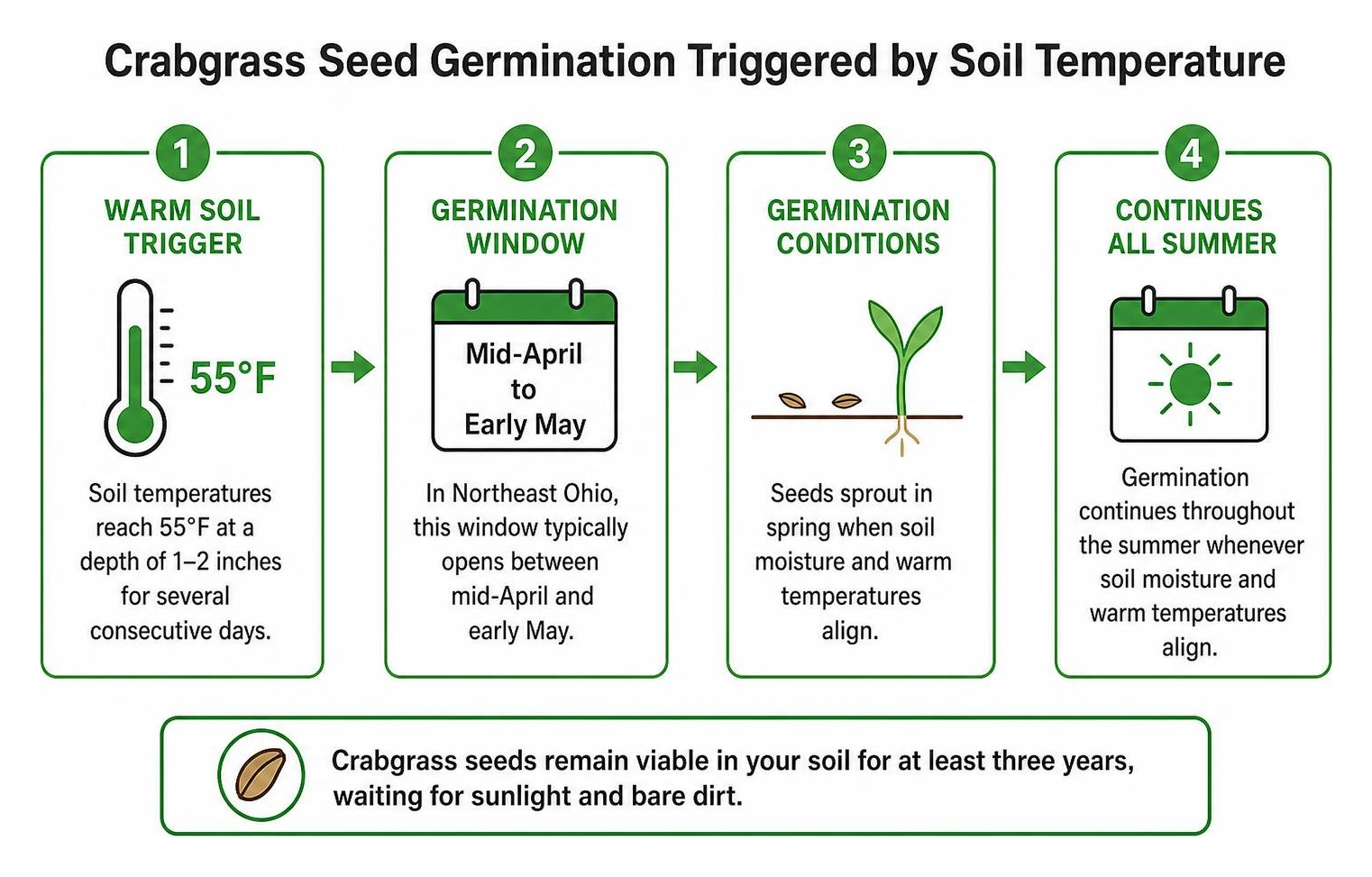
Crabgrass seeds remain viable in your soil for at least three years, waiting for sunlight and bare dirt. You can track local soil thermometers or observe phenological cues in nature. For instance, when yellow forsythia bushes drop their blossoms or eastern redbuds start blooming, soil temperatures have usually hit that critical 55°F mark.
Cultural Lawn Care Strategies for Prevention
The most sustainable defense against crabgrass is a dense, vigorous lawn. Crabgrass seedlings require full sunlight to establish and quickly fail when shaded out by thick turfgrass. Following a clear crabgrass removal guide 2026 helps you build a lawn canopy that prevents weed seeds from ever reaching the light.
Cultural Practices for Natural Control of Crabgrass
Proper mowing, watering, and soil care tip the scales in favor of desirable turf like Kentucky bluegrass, fine fescue, and perennial ryegrass.
- Raise Your Mowing Height to 3 Inches: Mowing high is one of the most effective non-chemical weed control strategies. Maintaining your grass at 3 to 3.5 inches shades the soil surface, cooling ground temperatures and blocking the sun crabgrass seeds need to sprout. Never remove more than one-third of the grass blade in a single mowing session.
- Water Deeply and Infrequently: Light, daily sprinkling keeps the upper half-inch of soil moist, creating an ideal nursery for crabgrass seeds. Instead, irrigate deeply to provide about one inch of water per week, allowing the top layer of soil to dry out between waterings. This encourages deep root systems in desirable grass while starving shallow weed roots.
- Aerate and Relieve Compaction: Crabgrass handles compacted soil better than turfgrass. Core aeration in early autumn breaks up hard clay soils common in Summit, Medina, and Cuyahoga counties, giving turf roots room to expand.
- Overseed in Early Autumn: As detailed in the Wisconsin Horticulture crabgrass management study, fall is the premier window to fill in bare spots. Cool-season grasses establish rapidly in September and October without competition from summer weeds, forming a tight sod before the next spring.
Organic Methods for Non-Chemical Control of Crabgrass
Homeowners looking for non-synthetic options have several effective tools for managing crabgrass populations.
Corn gluten meal serves as a natural pre-emergent byproduct of corn processing. It works by inhibiting root development in newly germinated seeds. While synthetic pre-emergents provide 90% to 95% control, corn gluten meal offers roughly 65% to 80% control when applied at a rate of 20 pounds per 1,000 square feet. It also contains about 10% slow-release nitrogen by weight, providing a gentle spring feeding. Apply it two to three weeks before expected weed germination. Do not plant desirable grass seed within six weeks of applying corn gluten meal, as it will suppress turfgrass seed as well.
In unplanted garden spaces, soil solarization kills weed seed banks naturally. Cover moist soil with clear polyethylene plastic for four to six weeks during the peak heat of summer. The trapped heat raises topsoil temperatures high enough to destroy dormant seeds.
For isolated pop-ups in lawns or beds, physical hand-pulling is straightforward and effective. Pull weeds when the soil is damp after rain, gripping the base of the plant to extract the entire root crown before seed heads develop.
Chemical and Herbicide Solutions for the Control of Crabgrass
When cultural practices need reinforcement, herbicides provide reliable, targeted intervention. An integrated approach using both preventative and corrective treatments delivers the best way to get rid of crabgrass across home lawns.
Pre-Emergent Application Timing and Residual Protection
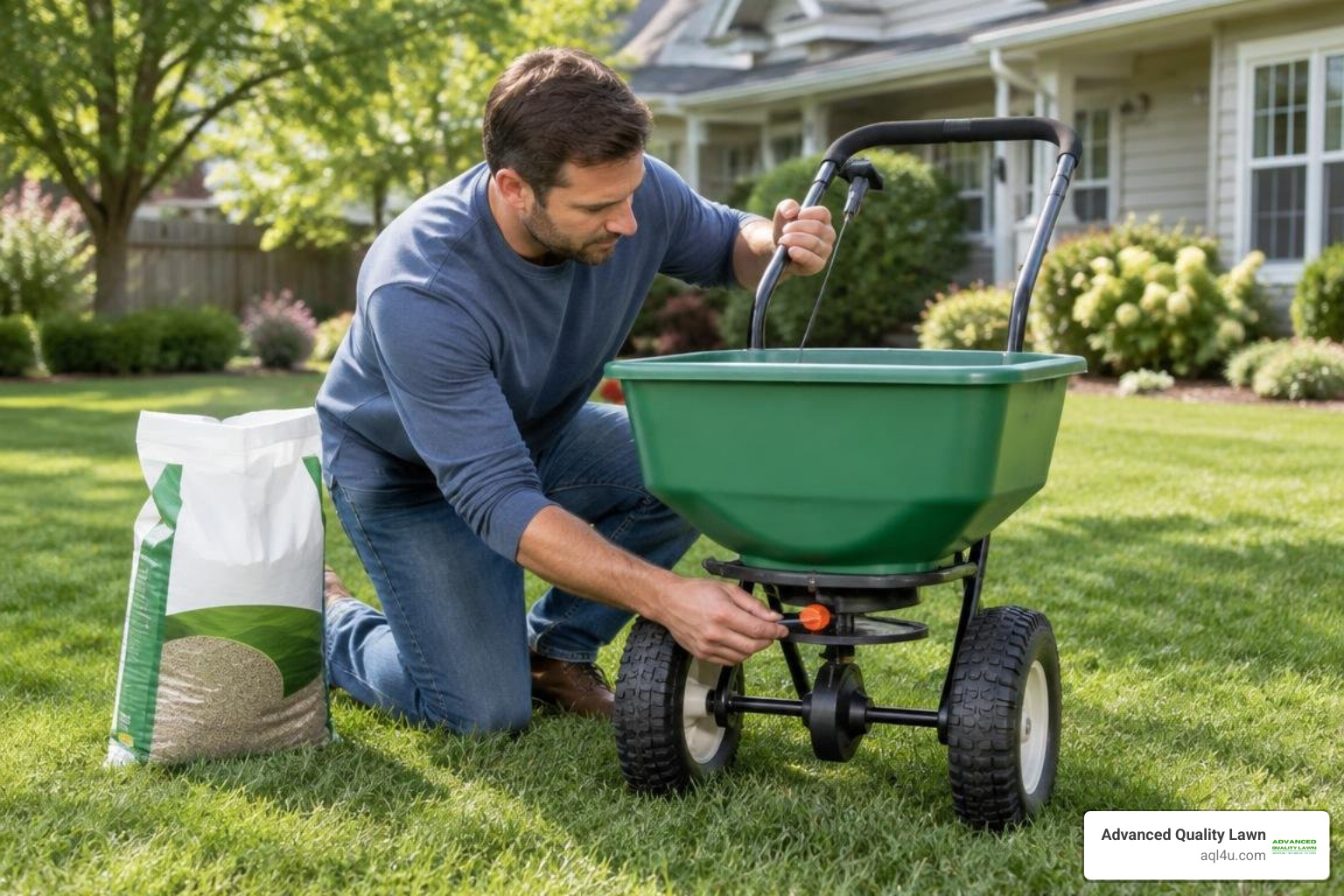
Pre-emergent herbicides form a chemical barrier in the top layer of soil that stops weed seedlings as they germinate. Common active ingredients include prodiamine, pendimethalin, and dithiopyr. To explore product selections, check out our guide on the best pre-emergent weed killer for lawns.
A single pre-emergent application at the full label rate offers 10 to 12 weeks of residual protection. In regions with long growing seasons or rainy springs that break down chemical barriers quickly, a split application provides better results. Applying a half-rate in mid-April followed by a second half-rate application six to eight weeks later extends protection to 16 to 20 weeks. This extended window stops late-germinating summer seeds. All granular and liquid pre-emergents must be watered in with roughly a half-inch of rain or irrigation within a few days to activate the barrier.
Post-Emergent Treatments and Tiller Stage Management
If crabgrass escapes your pre-emergent barrier, selective post-emergent herbicides can eliminate visible weeds without damaging your lawn. The secret to post-emergent success lies in treating plants at the right tiller stage. A tiller is an individual stem or shoot growing from the main crown.
- Quinclorac: One of the most dependable active ingredients for cool-season turf. It works well on young crabgrass with one to two tillers and displays renewed effectiveness on mature plants with more than four tillers. However, it can struggle on mid-stage plants with three to four tillers.
- Fenoxaprop-p-ethyl: Excellent for treating young seedling crabgrass with fewer than four tillers. As noted in Penn State Extension postemergence control research, avoid tank-mixing fenoxaprop with broadleaf herbicides containing 2,4-D, as this combination reduces its grassy weed effectiveness.
- Mesotrione and Topramezone: These herbicides disrupt pigment synthesis, causing treated weeds to turn stark white before dying within two to three weeks. Mesotrione is uniquely valuable because it can be used during new lawn seedings to stop weeds without hurting emerging seedlings.
For tough mixed infestations, applying a combined broadleaf and crabgrass herbicide clears out multiple weed varieties in one pass. Always mix post-emergent products with a methylated seed oil or non-ionic surfactant when recommended by the label to help the herbicide stick to waxy weed leaves. Apply these products when daytime temperatures are between 45°F and 85°F and weeds are actively growing.
Managing Crabgrass in Landscape Beds and Vegetable Gardens
Crabgrass readily invades mulched beds, borders, and vegetable gardens where open soil and drip irrigation create prime growing conditions.
Mulch Barriers and Smothering Techniques
The cleanest way to protect landscape beds is maintaining a physical barrier. Apply a 2- to 3-inch layer of shredded hardwood mulch or pine bark over open garden soil. Mulch blocks sunlight from reaching dormant seeds below. For areas with heavy weed pressure, laying down overlapping sheets of plain cardboard beneath the mulch smothers weed roots and adds organic matter as it decomposes.
Avoid cultivating or tilling garden beds deeply once established. Turning over soil brings buried seeds up to the top inch of dirt where warmth and sunlight trigger widespread germination. In decorative plantings, using a dedicated crabgrass preventer in flower beds creates a clean barrier around established shrubs and flowers.
Selective Herbicides for Ornamental Beds
When grassy weeds pop up among flowers and broadleaf vegetables, hand-weeding or selective grass herbicides save hours of labor.
- Sethoxydim and Fluazifop-p-butyl: These active ingredients selectively kill annual and perennial grasses without injuring broadleaf ornamentals, woody shrubs, or broadleaf crops like tomatoes and peppers.
- Clethodim: A potent grass killer that eliminates crabgrass and bermudagrass around ornamentals.
- Non-Selective Options: If using non-selective herbicides like glyphosate, spray on calm mornings using a cardboard spray shield to keep mist off prized perennials and foliage.
Late-Season Strategies and Application Best Practices
By late August and September, surviving crabgrass plants have matured into wide, tough clumps with prominent seed heads.
Handling Late-Summer Infestations and Frost Timing
Attempting to eradicate massive, flowering crabgrass with post-emergent chemicals in late summer is often impractical and expensive. Mature crabgrass is naturally hardier and requires higher chemical rates that increase the risk of yellowing your surrounding lawn. Because crabgrass is an annual plant, the first freezing frost in autumn kills it naturally.
If you have isolated mature plants late in the season, use a weed trimmer to sever the seed heads and collect the clippings in a bag. This simple step prevents thousands of new seeds from replenishing the soil bank. Once frost clears out the dead weed skeletons, rake the area smooth and seed it with high-quality turf varieties.
Herbicide Application Safety and Environmental Precautions
Safe chemical handling protects your family, pets, and local waterways.
- Wear Appropriate PPE: Always put on chemical-resistant gloves, eye protection, long pants, and closed-toe footwear when mixing and applying treatments.
- Watch the Weather: Spray only on calm days with wind speeds below 10 mph to prevent drift onto prized garden plants. Never spray when daytime highs exceed 85°F to avoid burning desirable turf.
- Prevent Runoff: Sweep any granular fertilizer or herbicide off driveways, patios, and sidewalks back onto the grass before watering.
- Mowing and Clippings: Do not mow your lawn for two days before or two days after applying post-emergent sprays. Avoid using lawn clippings from treated turf as vegetable compost for at least three mowing cycles after application.
Frequently Asked Questions about Crabgrass Control
What soil temperature triggers crabgrass seed germination?
Crabgrass seeds begin germinating when soil temperatures reach 55°F at a depth of one to two inches for four to five consecutive days. In Northeast Ohio, this temperature threshold typically arrives between mid-April and early May.
Can mature crabgrass be killed without harming desirable turfgrass?
Yes, mature crabgrass can be controlled using selective herbicides containing quinclorac or topramezone. These active ingredients target crabgrass physiology while remaining safe for established cool-season grasses like Kentucky bluegrass, tall fescue, and perennial ryegrass when applied within label temperature ranges.
Does hand-pulling crabgrass effectively stop infestations?
Hand-pulling works well for small, localized infestations if you remove the weed before seed heads form. Be sure to moisten the soil and extract the central root crown completely so the plant does not regenerate from stem nodes.
Conclusion
Controlling crabgrass requires a balanced, year-round approach. By combining proper mowing heights, deep irrigation, and fall aeration with well-timed pre-emergent and post-emergent applications, you can stop this invasive weed from taking over your yard.
At Advanced Quality Lawn, we provide proven, guaranteed lawn care programs across Akron and more than 99 zip codes throughout Summit, Medina, Cuyahoga, Portage, and surrounding counties. Explore our professional lawn care and maintenance services to achieve a thick, vibrant, and weed-free lawn this season.