
Our Top Picks for the Best Way to Rid Crabgrass This Season
The Best Way to Rid Crabgrass This Season (Quick Answer)
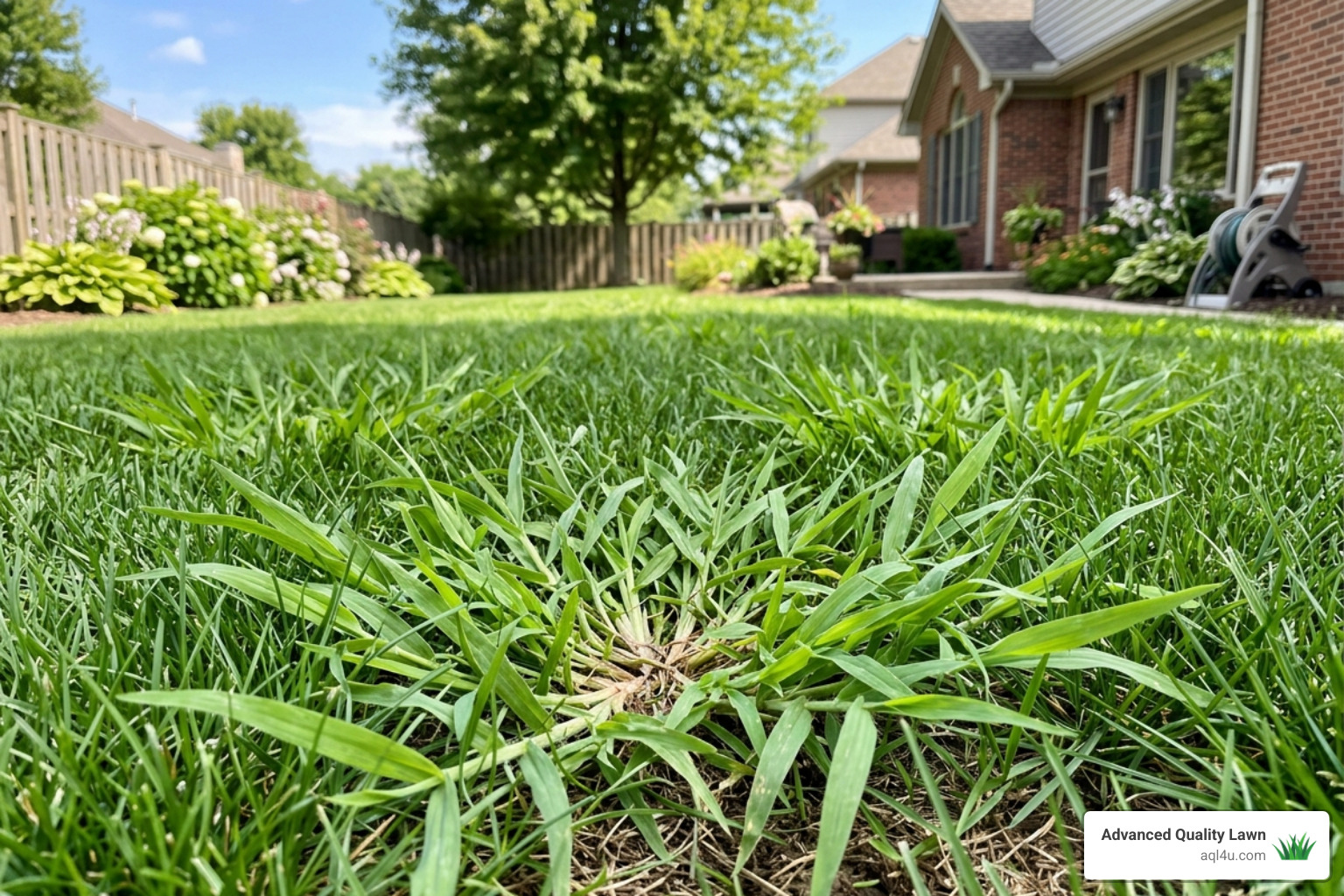
The best way to rid crabgrass is to combine a well-timed pre-emergent herbicide in early spring with targeted post-emergent treatment for any plants that break through, all supported by healthy lawn habits like mowing high and watering deeply.
Here is a quick breakdown of the most effective methods:
| Method | When to Use | Effectiveness |
|---|---|---|
| Pre-emergent herbicide | Early spring, before soil hits 55°F | High (best prevention) |
| Post-emergent herbicide (Quinclorac, Mesotrione) | When plants are young and small | High on young plants |
| Hand pulling | Small patches, after rain | Good for minor infestations |
| Mowing high (3 to 4 inches) | All season | Supports all other methods |
| Deep, infrequent watering | All season | Strengthening lawn vs. weeds |
| Corn gluten meal (organic) | Early spring | Low to moderate (20 to 40%) |
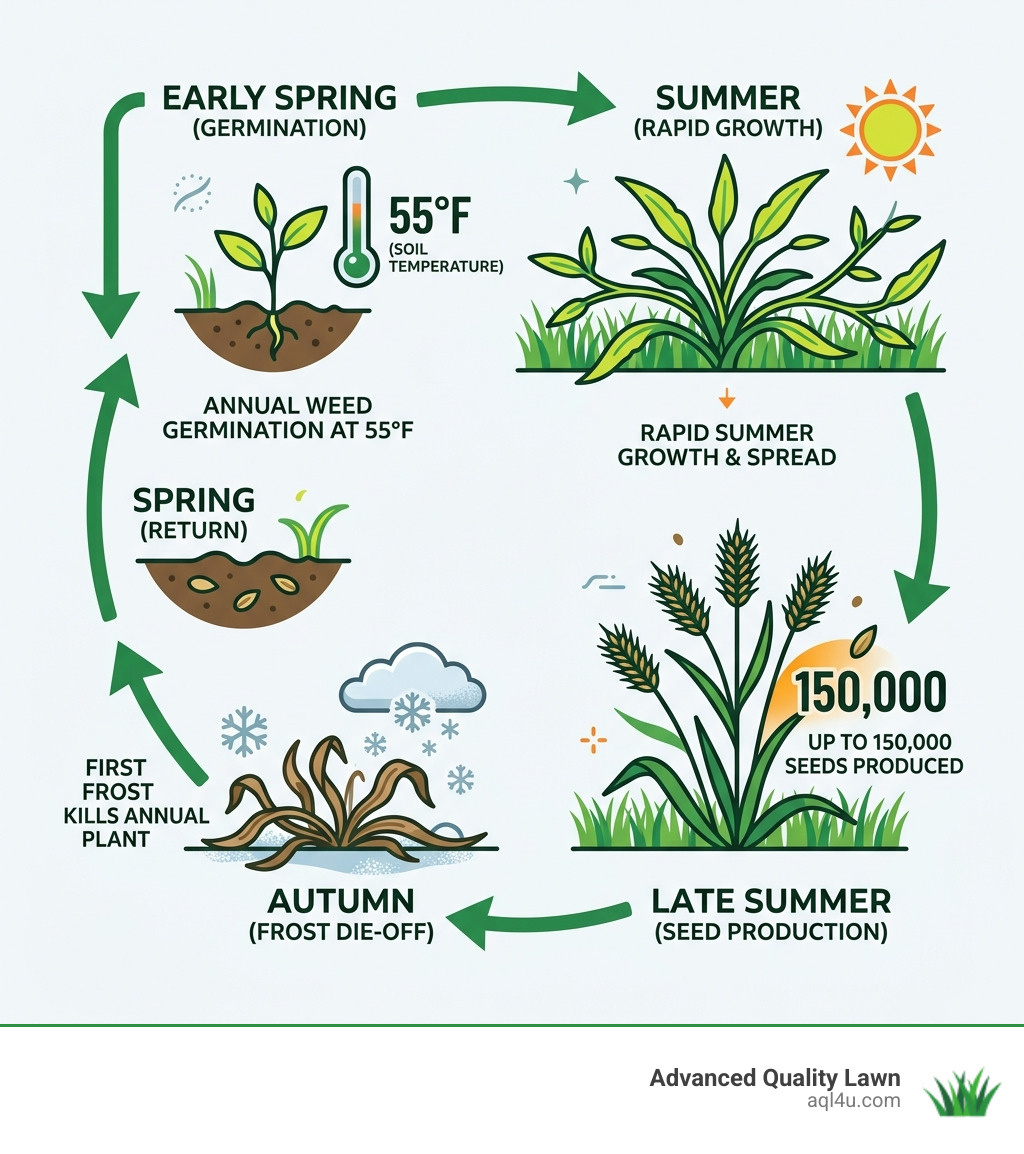
The bad news about crabgrass? A single plant can produce up to 150,000 seeds before the first frost kills it. Those seeds stay viable in the soil for years. One missed season can mean a much bigger problem next spring.
The good news is that crabgrass follows a very predictable life cycle. That makes it beatable if you act at the right time with the right tools.
I'm Andrew Day, owner of Advanced Quality Lawn, and with more than 30 years of lawn care experience in Northeast Ohio, I've helped hundreds of homeowners find the best way to rid crabgrass from their yards for good. In this guide, I'll walk you through every proven method so you can choose what works best for your lawn this 2026 season.
Identifying the Enemy: What is Crabgrass?
Before we can discuss the best way to rid crabgrass, we have to know exactly what we are looking for in our Northeast Ohio lawns. Crabgrass belongs to the Digitaria genus and is a warm-season annual weed. This means it germinates from seed every single year, grows aggressively during the heat of summer, and then dies off when the first hard frost hits in autumn.
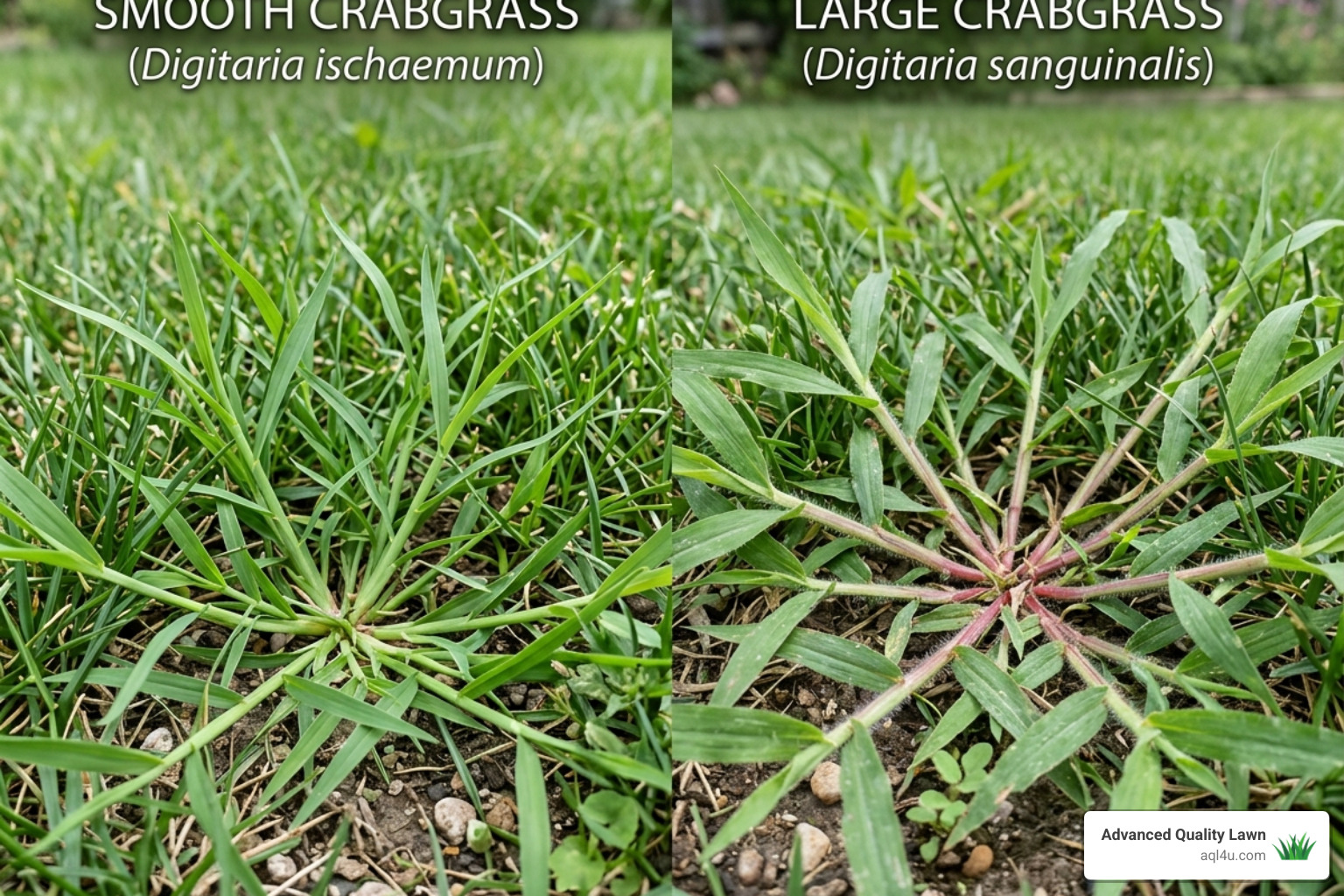
There are two primary types we see in our region: Large Crabgrass (Digitaria sanguinalis) and Smooth Crabgrass (Digitaria ischaemum). Large crabgrass is often hairy and can grow quite tall if left unmowed, while smooth crabgrass is hairless and can actually survive being mowed as low as a quarter-inch. Both varieties share a signature "crab-like" growth habit, with stems that sprawl horizontally from a central root system.
The most important thing to understand about crabgrass is its germination trigger. In places like Akron, Cuyahoga Falls, and Medina, crabgrass seeds begin to sprout when soil temperatures reach 55 degrees Fahrenheit for several consecutive days. You can find more details on how to identify crabgrass by looking for its light green color and coarse blades that stand out against the darker, finer texture of your Kentucky Bluegrass or Tall Fescue.
The Best Way to Rid Crabgrass Through Prevention
If you ask any lawn care professional, they will tell you that the absolute best way to rid crabgrass is to stop it before it even starts. Once a crabgrass plant has established itself in your lawn, it becomes much harder to kill without harming your desirable grass. Prevention is handled through the use of pre-emergent herbicides.
These products work by creating a thin chemical vapor barrier at the soil surface. When a crabgrass seed germinates and sends out its first tiny root, it hits this barrier and is unable to grow further. Choosing the best pre-emergent weed killer for lawns is the foundation of a clean yard.
Timing is everything here. If you apply it too late, the seeds have already sprouted and the product won't work. If you apply it too early, the barrier might break down before the seeds are finished germinating. Mother Nature provides some great visual cues for this. In Northeast Ohio, we often look for forsythia bushes to start dropping their yellow blooms as the signal that the soil is warming up.
Don't forget your landscaping either! Using a crabgrass preventer in flower beds can keep your mulch looking fresh and weed-free. If you have furry friends running around the yard in Hudson or Stow, you may want to look into a pet safe pre-emergent to ensure your family stays safe while your lawn stays green.
Choosing the Best Way to Rid Crabgrass with Pre-Emergents
When selecting a product, look for active ingredients like Prodiamine or Dithiopyr. These are highly effective germination inhibitors. For the best results during spring maintenance, we often recommend split applications. This involves putting down half the recommended dose in early spring and the other half about six to eight weeks later. This extends the protection through the late-season germination windows that often occur in July.
Timing Your Application for the 2026 Season
For the 2026 season in Northeast Ohio, you should be preparing your equipment in late March. Depending on the weather, our primary application window usually falls between early April and early May. If you want to be precise, use a soil thermometer to check the top inch of dirt. Once it consistently hits 50 to 52 degrees, it is time to apply. Another great natural indicator is the redbud tree. When those purple-pink flowers start to pop, the crabgrass seeds are right behind them.
Eliminating Established Weeds with Post-Emergent Solutions
Sometimes, despite our best efforts, a few weeds still find a way through. Maybe there was a bare spot by the driveway or the pre-emergent barrier was disturbed by heavy foot traffic. In these cases, the best way to rid crabgrass is to use a post-emergent herbicide.
Post-emergent products are designed to kill weeds that are already actively growing. Finding the best herbicide for crabgrass usually means looking for ingredients like Quinclorac or Mesotrione. Quinclorac is particularly effective at targeting crabgrass without killing your lawn. Some products, like those containing Dithiopyr post-emergent, can actually provide both pre-emergent protection and early-stage post-emergent control.
If you are dealing with multiple types of grassy weeds, you might need the best weed killer for nutsedge and crabgrass to handle both problems with one application.
Comparison of Herbicide Types
| Feature | Pre-Emergent | Post-Emergent |
|---|---|---|
| Primary Goal | Prevention | Eradication |
| Target | Seeds / New Sprouts | Mature Plants |
| Best Timing | Early Spring (April) | Summer (June to August) |
| Soil Temp Requirement | Below 55°F | N/A (Active Growth) |
| Application Method | Broadcast (Whole Lawn) | Spot Treatment or Broadcast |
Targeted Spot Treatments as the Best Way to Rid Crabgrass
For small infestations in places like North Royalton or Broadview Heights, hand pulling is often the most effective and eco-friendly method. The trick is to pull them after a good rain when the soil is moist. You must ensure you remove the entire root crown, or the plant will simply grow back.
Consulting a guide to removing crabgrass can show you the best tools for the job, such as a hand weeder or a small spade. Be very careful with non-selective herbicides like glyphosate. While they are powerful, they will kill everything they touch, including your prized turfgrass, leaving a dead brown circle in your lawn.
Active Ingredients for Summer Control
If the crabgrass has reached the "tiller" stage (where it has multiple stems branching out), you may need a stronger selective killer like Fluazifop. These chemicals are absorbed through the leaves. For the best results, we recommend using a surfactant, which is a "sticker" that helps the herbicide cling to the waxy surface of the crabgrass leaf. Always check the weather before spraying because most post-emergents should not be applied if temperatures are expected to exceed 85 or 90 degrees, as this can stress and damage your good grass.
Natural and Cultural Control Strategies
Believe it or not, your lawn mower is one of the most powerful tools in your arsenal. The best way to rid crabgrass naturally is to make your lawn an environment where weeds cannot survive. Crabgrass seeds need sunlight to germinate. By keeping your grass tall, ideally around three to four inches, you create a thick canopy that shades the soil. This prevents the sun from reaching those dormant seeds.
Proper watering is another key. Crabgrass has a relatively shallow root system. If you water your lawn with light, frequent sprinkles, you are essentially feeding the weeds. Instead, water deeply and infrequently. This encourages your grass roots to grow deep into the soil where they can find moisture that the crabgrass cannot reach.
When dealing with dandelions and crabgrass together, a healthy lawn is your best defense. Organic options like corn gluten meal can be used as a pre-emergent, though research shows it is only about 20 to 40 percent effective and usually takes two to three years of consistent use to show significant results.
Finally, don't underestimate the power of overseeding. Crabgrass loves bare dirt. By filling in thin spots with fresh seed in the fall, you leave no room for weeds to move in next year.
Frequently Asked Questions about Crabgrass
Can I overseed while treating crabgrass?
This is a tricky one. Most pre-emergent herbicides don't know the difference between a crabgrass seed and a grass seed. If you apply a standard preventer, you cannot plant new grass for about two to four months. However, there is one exception: Siduron. This active ingredient is safe to use at the same time as seeding. For most homeowners in Northeast Ohio, we recommend focusing on weed control in the spring and saving your heavy overseeding for the late summer or early fall when the crabgrass is naturally dying off.
Is vinegar an effective crabgrass killer?
You might see "DIY" tips suggesting household vinegar, but it is rarely effective. Household vinegar is only about 5 percent acetic acid, which might singe the leaves but won't kill the roots. Gardening vinegar (which is 20 percent strength) is much more powerful, but it is also non-selective. It will kill your grass just as quickly as the weeds. It also doesn't provide any long-term control, meaning the crabgrass will likely grow right back from the roots.
How do I stop crabgrass from returning next year?
The best way to rid crabgrass permanently is to manage the "seed bank" in your soil. Since one plant can drop 150,000 seeds, you must stop them from reaching maturity. Mow regularly to cut off seed heads before they can drop. Combine this with a consistent fall fertilization program to thicken the turf and a dedicated pre-emergent application every spring. Over time, the number of viable seeds in your soil will drop, and your lawn will become naturally resistant.
Conclusion
Getting the lawn of your dreams in Northeast Ohio doesn't have to be a constant battle against weeds. Whether you are in Akron, Cleveland, or Medina, understanding the best way to rid crabgrass is all about timing, the right products, and consistent care. By stopping seeds in the spring and strengthening your grass throughout the summer, you can enjoy a lush, green carpet all season long.
At Advanced Quality Lawn, we pride ourselves on providing the expert knowledge and professional-grade treatments needed to keep your yard looking its best. We offer full-program guarantees and excellent customer service across Summit, Cuyahoga, Medina, and Portage counties. If you're ready to take the guesswork out of your yard work, we are here to help.
Ready to see the difference professional lawn care can make? Visit our lawn care maintenance page to learn more about our custom programs, or give us a call today to schedule your first service for the 2026 season!