Best Fertilizer for Lawn Rust and What to Do First
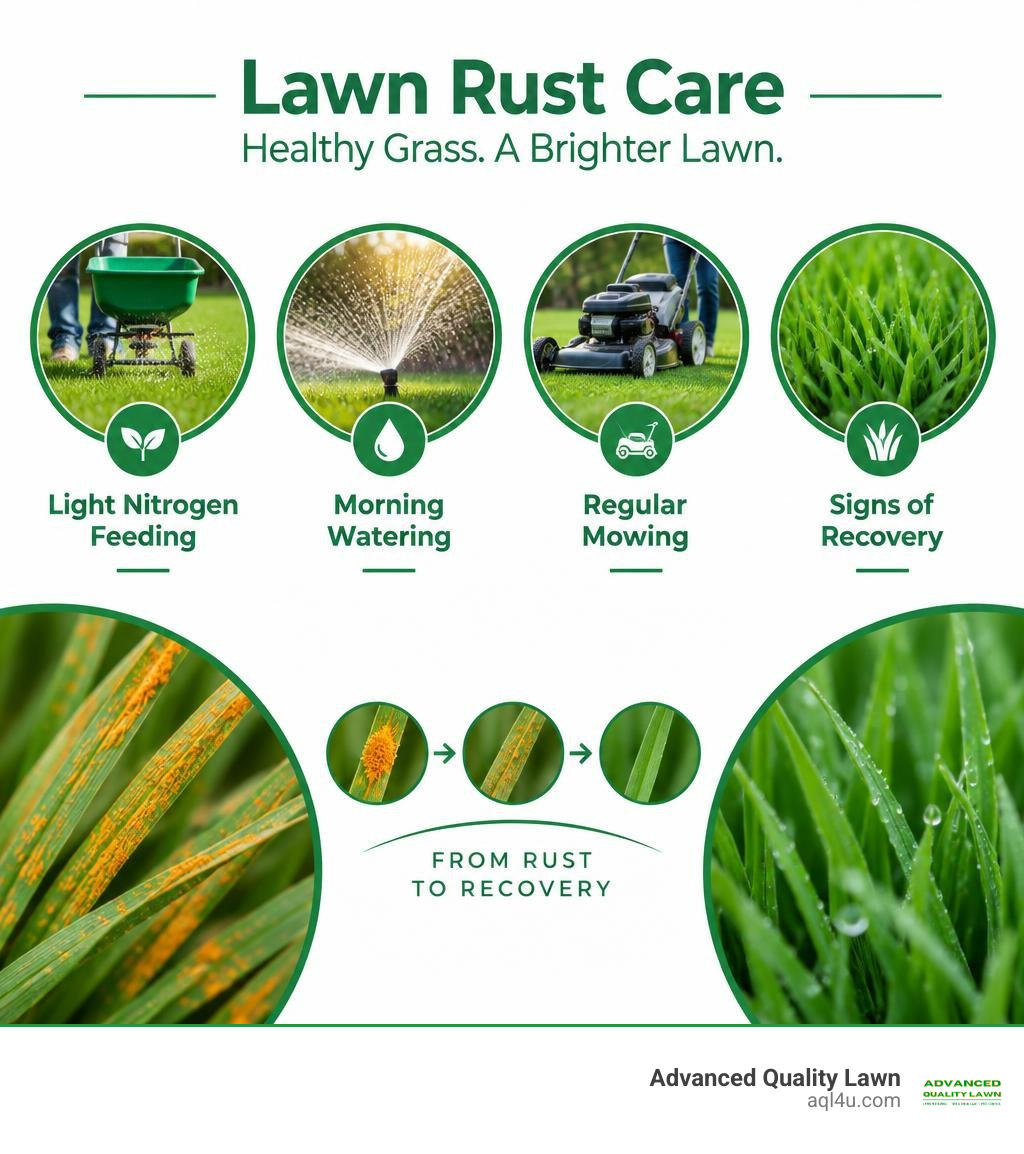
The best fertilizer for lawn rust is a lawn fertilizer that supplies a light dose of nitrogen, preferably from a slow-release source. If the grass is actively growing, apply about 0.2 to 0.4 pounds of actual nitrogen per 1,000 square feet, following the product label. Water as needed and keep mowing so healthy growth can replace infected blades. Avoid a heavy feeding during hot weather.
Lawn rust is a fungal disease that leaves orange powder on grass blades and shoes. It is usually cosmetic, and it does not always mean your lawn lacks nitrogen. Shade, dry soil, and slow growth can also play a part.
I’m Andrew Day, owner of Advanced Quality Lawn in the Akron area. With more than 30 years of lawn care experience behind our team, I’ll explain how to choose the best fertilizer for lawn rust and help your grass recover.
Identifying Lawn Rust Symptoms and Environmental Triggers
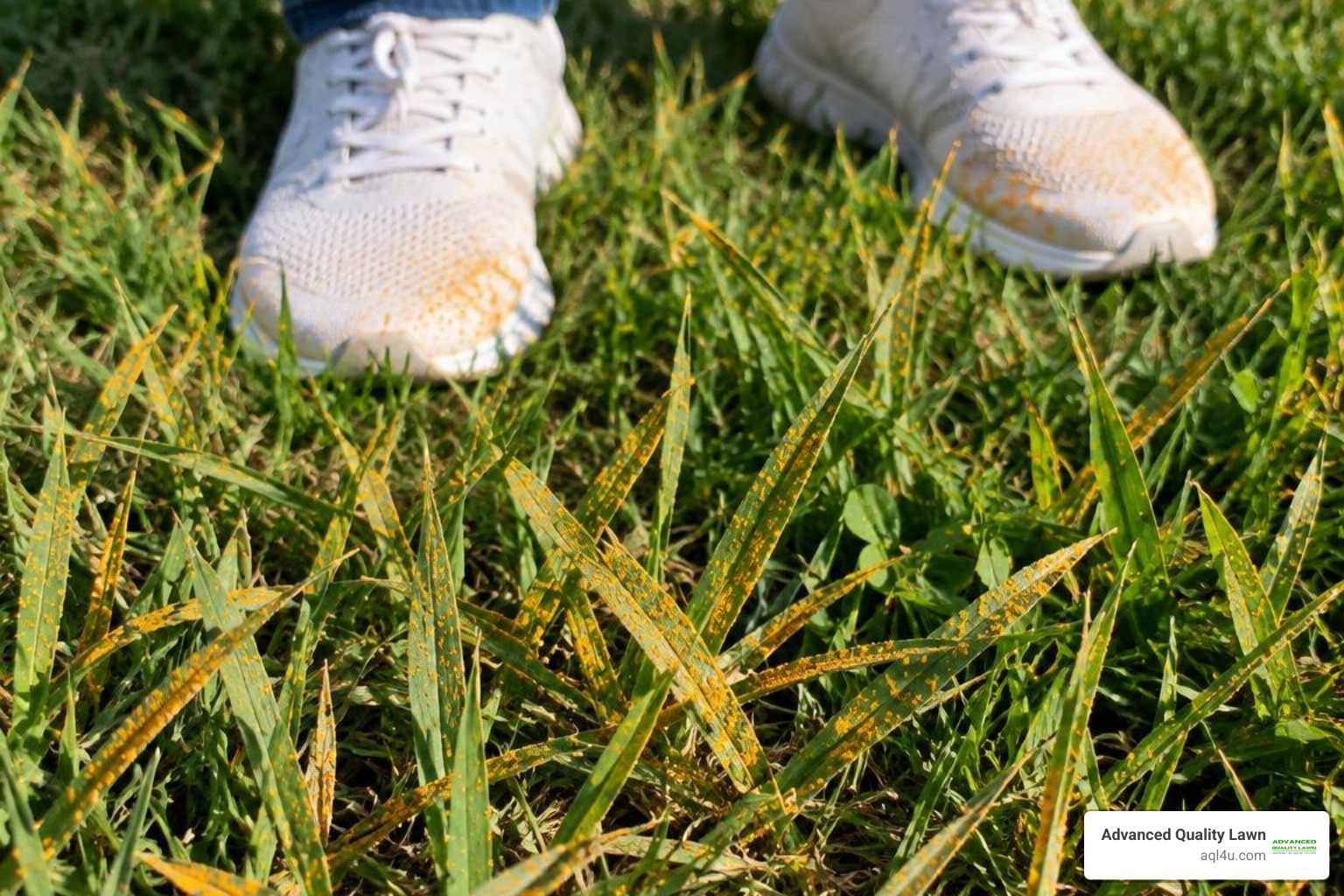
Lawn rust is caused by fungi in the Puccinia and Uromyces families. It thrives when turfgrass growth slows down while moisture lingers on the leaf surface. You will usually spot it in late summer or early fall. The grass develops tiny yellow flecks that swell into raised pustules. When these pustules rupture, they release millions of powdery spores that range in color from bright orange to yellowish-brown.
If you walk across an infected lawn, your white shoes, mower deck, or pets will pick up an orange dust that looks a lot like paprika or metal rust. While rust can affect warm-season turf like Zoysiagrass, it is far more common on cool-season grasses such as Kentucky bluegrass and perennial ryegrass.
Rust takes hold when environmental conditions create extended leaf wetness combined with sluggish growth. Cool nights with heavy dew, humid days, and limited airflow give spores the moisture they need to germinate. At the same time, turf under drought stress or suffering from heat exhaustion stops pushing new growth, leaving blades sitting vulnerable to infection. Learning how to prevent your grass from drying out in the summer is a critical step in keeping turf vigorous enough to resist spore colonization.
Does Lawn Rust Always Mean Low Nitrogen?
A widespread myth among homeowners is that lawn rust is strictly a nitrogen deficiency. While underfed lawns are prime targets, rust can easily appear on lawns with adequate soil nutrients if other environmental stressors stall plant metabolism.
Shaded areas under tree canopies stay damp for hours after sunrise, creating an ideal nursery for fungal spores even if nitrogen levels are fine. Compacted soils that restrict root respiration, unseasonably cool cloudy stretches, or heavy rainfall events can all trigger an outbreak. Extension research on weather impacts and lawn diseases demonstrates that swings in moisture and temperature weaken turf defenses. Rust indicates that leaf growth has slowed down relative to fungal activity, but nutrient shortages are only one piece of the puzzle.
Choosing the Best Fertilizer for Lawn Rust: Nutrient Ratios and Formulas
When rust strikes, your goal is to stimulate steady vegetative growth so the plant produces clean new leaves faster than the fungus can infect them. You can then mow off the infected leaf tips. Choosing the right fertilizer formulation ensures you provide enough fuel without causing chemical burn or rapid, succulent tissue growth that invites other diseases.
A balanced feeding program supplies nitrogen along with phosphorus and potassium to support cell wall strength and root density. Following a comprehensive guide to balanced lawn fertilizer helps you select nutrient ratios that sustain plant health across variable weather patterns.
Nitrogen and Sulfur: The Best Fertilizer for Lawn Rust Suppression
For targeted rust suppression, fertilizers containing nitrogen paired with sulfur deliver exceptional results. Ammonium sulfate (21-0-0) is a prime example of a fast-acting nitrogen source that delivers plant-available sulfur. Sulfur plays a vital role in plant protein synthesis and creates a mildly acidic surface environment on the leaf blade that discourages fungal spore development.
Applying light doses of nitrogen, often called spoon-feeding, gives the lawn immediate energy to outgrow pustules without overloading the soil. When applying soluble nitrogen sources like ammonium sulfate, use lower rates of 0.1 to 0.2 pounds of nitrogen per 1,000 square feet, and water the granules in immediately to prevent foliar salt injury during warm afternoons.
Evaluating Slow-Release vs. Quick-Release as the Best Fertilizer for Lawn Rust
Choosing between slow-release and quick-release products depends on current weather and infection severity. Quick-release options offer rapid recovery, but slow-release sources provide steady, sustained nutrition that builds lasting disease resistance.
| Fertilizer Type | Primary Nitrogen Source | Release Speed | Burn Risk | Best Scenario for Rust Control |
|---|---|---|---|---|
| Quick-Release Synthetic | Urea, Ammonium Sulfate | Rapid (1 to 3 days) | Moderate to High | Active, severe outbreaks needing fast leaf turnover in mild weather |
| Slow-Release Coated | Sulfur-Coated Urea, Polymer-Coated Urea | Controlled (4 to 8 weeks) | Low | Late summer recovery and fall disease prevention without growth surges |
| Organic & Natural | Biosolids, Poultry Manure, Feather Meal | Slow (soil microbial dependent) | Very Low | Long-term soil conditioning, summer spoon-feeding, drought-prone soils |
Controlled-release products like methylene urea or polymer-coated urea release nitrogen gradually, feeding the plant evenly without creating excessive top growth. Homeowners evaluating organic versus synthetic fertilizer options often find that natural slow-release fertilizers offer a forgiving approach during late summer heat because they carry almost zero risk of turf burn.
Application Timing and Proper Nitrogen Rates for Recovery
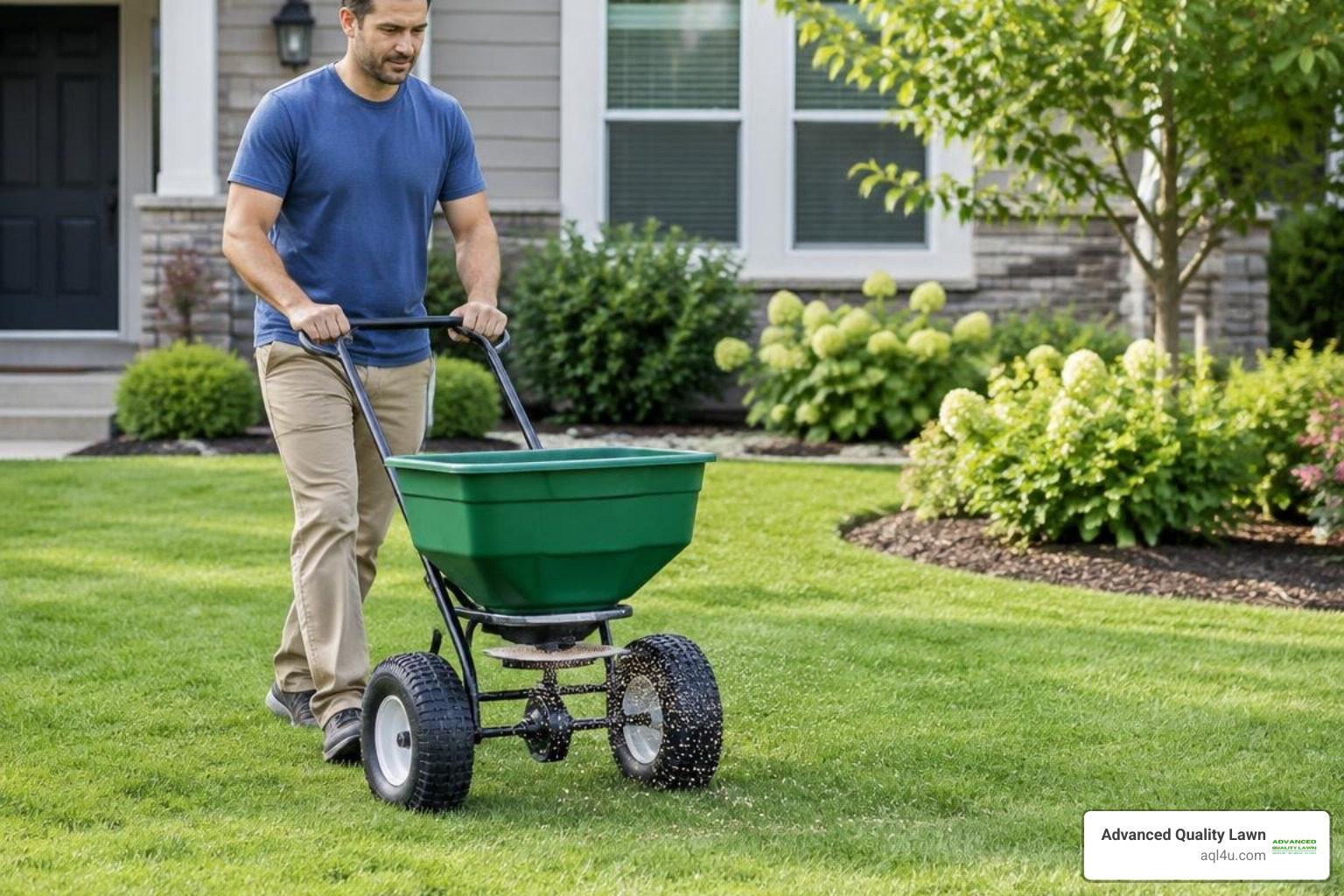
Timing your fertilizer application is crucial when dealing with rust. In late summer and early fall, cool-season turf begins shifting energy toward root development. This makes late August through September the premier window to treat rust with a fertility boost.
A rate of 0.1 to 0.2 kilograms of actual nitrogen per 100 square meters (roughly 0.2 to 0.5 pounds of nitrogen per 1,000 square feet) provides the push your turf needs to shed fungal pustules. Michigan State University extension research on September fertilization and turfgrass rust highlights that feeding around early September revitalizes thinning turf, shortens the rust cycle, and prepares grass for winter. Pairing late-season disease recovery with an effective autumn feed for grass strategy sets your lawn up for dense spring green-up.
Avoiding Over-Fertilization and Secondary Disease Outbreaks
While nitrogen helps grass outgrow rust, more is not always better. Dumping heavy doses of quick-release nitrogen during warm, humid conditions forces rapid, water-filled leaf growth with thin cell walls.
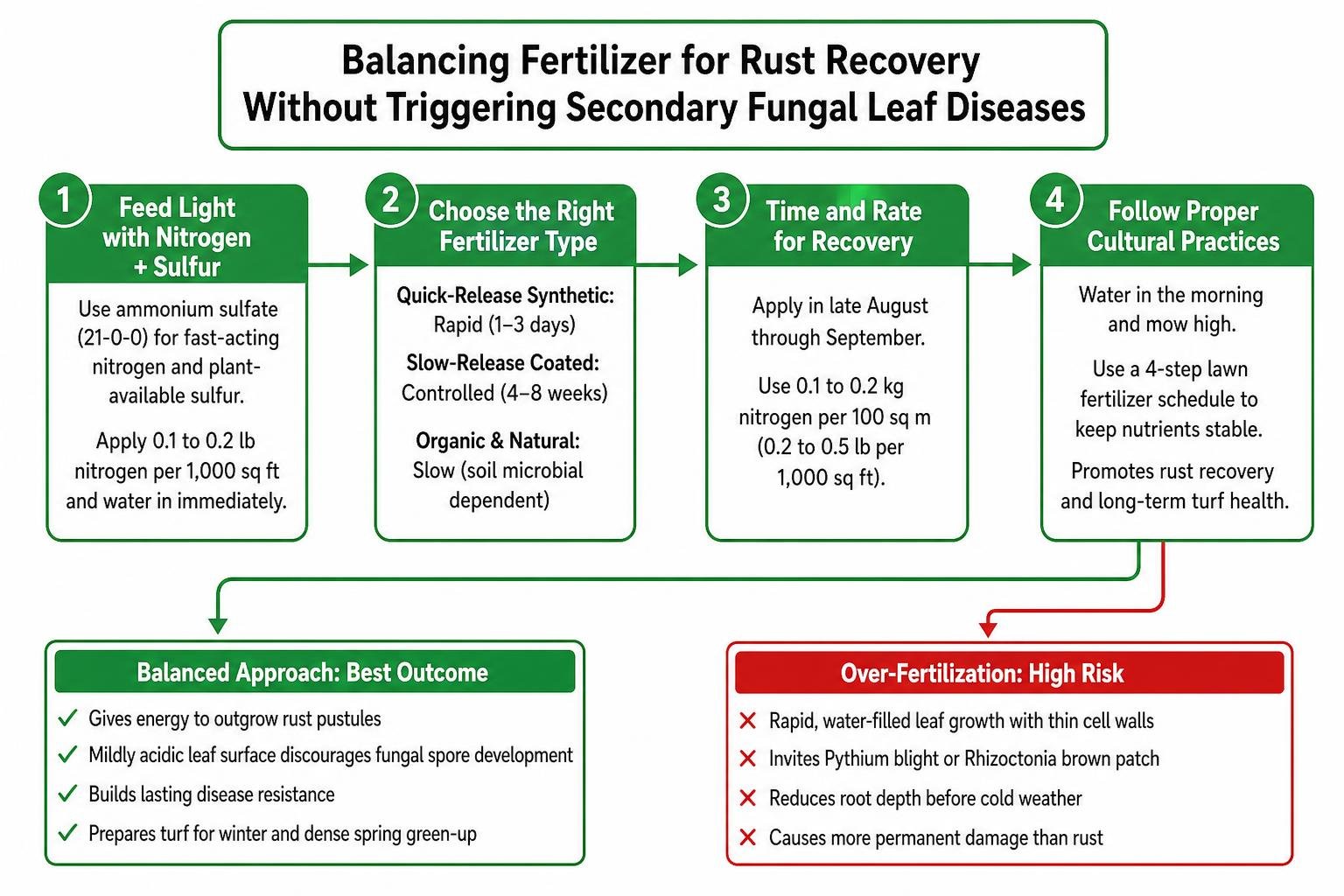
Over-fertilizing in warm weather can invite aggressive pathogens like Pythium blight or Rhizoctonia brown patch, which cause far more permanent structural damage than cosmetic rust. High nitrogen can also reduce root depth just before cold weather arrives. Sticking to a structured 4-step lawn fertilizer schedule keeps seasonal nutrient levels stable and prevents severe disease spikes.
Cultural Lawn Maintenance Practices to Eliminate and Prevent Rust
Fertilizer is most effective when paired with sound cultural care. Because rust is an opportunistic disease, modifying moisture, airflow, and light levels will naturally shut down fungal cycles.
Core aeration in late summer or early fall relieves soil compaction, allowing roots to take in oxygen and nutrients while enhancing drainage. Raking away excess thatch eliminates hiding spots for moisture, and pruning back low-hanging tree branches increases sunlight and breeze to dry off damp turf.
Irrigation Timing and Leaf Wetness Management
Fungal spores require free moisture on the leaf blade for 6 to 8 hours to penetrate plant tissue. Watering your lawn in the late afternoon or evening extends natural night dew, keeping blades damp for up to 14 hours.
Always irrigate early in the morning between 5 AM and 9 AM. Morning sun and rising winds quickly dry the foliage. Water deeply and infrequently, aiming for 1 to 1.5 inches of water per week, rather than running shallow daily cycles. Mastering proper lawn watering guidelines prevents the chronic surface dampness that fuels rust outbreaks.
Mowing Techniques and Fungicide Considerations
Mowing plays an active role in physically removing rust from your property. Follow the one-third rule by never cutting off more than the top third of the grass blade in a single pass. Maintain cool-season lawns at a height of 3 to 4 inches, which supports deeper roots and shields soil from extreme heat.
Keep mower blades sharp. Dull blades shred leaf tips, leaving open, ragged wounds that make fungal entry effortless. When rust is actively producing visible orange dust, bag and dispose of your clippings rather than mulching them to avoid spreading millions of spores across unaffected areas.
Chemical fungicides like propiconazole or azoxystrobin are rarely necessary for home lawns suffering from rust. Because rust is a cosmetic disease that does not kill the crown or roots, cultural improvements and a light nitrogen boost are almost always enough to clear it. Save fungicides for high-value athletic fields or severe, chronic infections that do not respond to basic care. You can explore additional cultural strategies in our complete lawn care and maintenance tips.
Frequently Asked Questions About Lawn Rust Treatment
How long does it take for fertilizer to clear lawn rust?
After applying fertilizer and providing adequate moisture, noticeable improvement typically appears within 7 to 14 days. As the grass absorbs nitrogen, it pushes out fresh green blades. Regular mowing cuts away the infected tips, completely refreshing the turf canopy within two to three mowing cycles.
Is lawn rust harmful to dogs, children, or pets?
Lawn rust spores are completely non-toxic to pets, children, and wildlife. The orange dust can temporarily stain dog paws, shoes, and clothing, but it poses no health risks. When you apply fertilizer to treat the issue, keep pets and children off the treated turf until granular products are watered in and the grass is completely dry.
What should I do if lawn rust persists after fertilizing?
If rust persists after proper feeding and irrigation adjustments, underlying site conditions are likely holding your turf back. Heavy shade, severe soil compaction, or poor surface drainage prevent turfgrass from utilizing nutrients. Core aerate the lawn to open up tight soil, prune back dense tree limbs, and consider overseeding with rust-resistant turf varieties like improved tall fescue blends.
Conclusion: Restoring Turf Health and Preventing Disease
Lawn rust can look dramatic when orange spores coat your grass, but it is a manageable condition that responds quickly to proper care. By applying a light dose of balanced, slow-release nitrogen, watering in the early morning, and keeping your mower blades sharp, you give your grass the upper hand to outgrow the fungus naturally.
If recurring lawn diseases or stubborn thinning spots leave you guessing, professional care makes all the difference. Advanced Quality Lawn delivers personalized turf nutrition, weed management, and soil care across Akron and surrounding Northeast Ohio communities. Explore our professional lawn care and maintenance services to keep your yard green, resilient, and disease-free year-round.