
Identifying Signs of Rodent Activity and Backyard Attractants
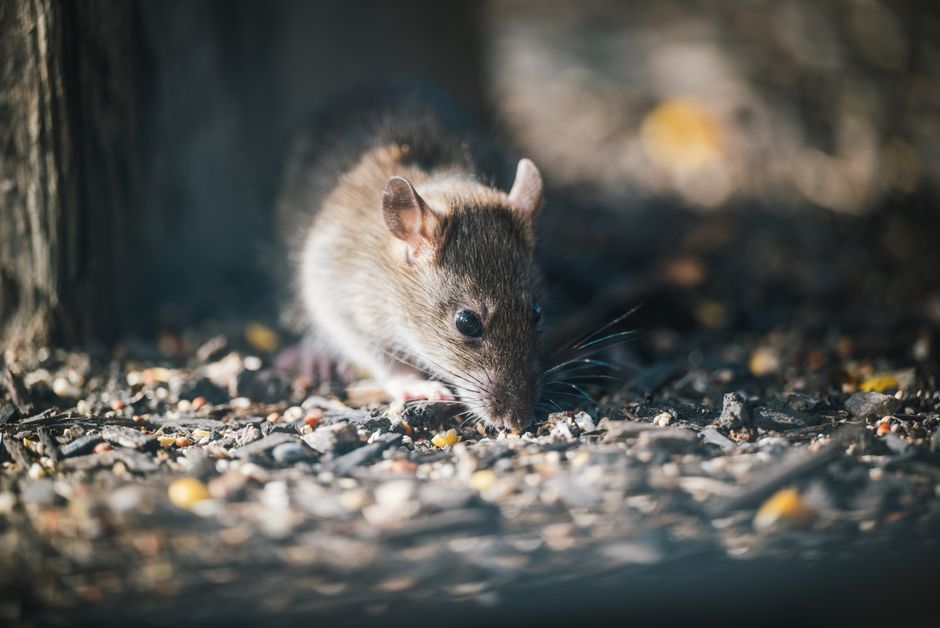
The best way to get rid of rats in yard spaces is to deploy heavy-duty snap traps or self-resetting bucket traps inside secure stations along active fence lines, paired with removing food sources and sealing burrows. Eliminating open water, fallen fruit, pet waste, and ground clutter cuts off what draws rodents in the first place, while underground hardware cloth barriers stop them from tunneling beneath decks and sheds.
Catching an infestation early prevents passing rodents from establishing an extensive underground network. Because rats are primarily nocturnal creatures, you might not catch them out in the open right away. Instead, they leave clear evidence along fences, foundation edges, and landscape beds.
Keep an eye out for these primary indicators of rat activity:
- Dark, capsule-shaped droppings: Fresh droppings are moist, dark, and measure roughly one-half inch long. Older droppings turn dull gray and crumble easily.
- Subterranean burrows: Freshly dug holes measure 2 to 4 inches in diameter. These burrows feature smooth, clear entrances without cobwebs or loose leaves.
- Runways and grease rub marks: Rats have poor eyesight and rely on touch to travel along borders. Over time, the oils in their fur leave dark, greasy smudges on foundation walls, deck posts, and fence boards.
- Gnaw marks on wood, plastics, and utility lines: A rat's incisors grow continuously. They chew on fence rails, garden tool handles, and PVC irrigation pipes to wear their teeth down.
- Trampled vegetation: Noticeable sunken trails cut through tall grass, low-growing groundcovers, and vegetable patches.
- Disturbed turf and garden beds: Chewed roots, hollowed-out root vegetables, and overturned soil around bulbs often signal rodent foraging. Reviewing common Ohio garden pests and how to get rid of them can help you confirm whether insects or rodents caused the plant damage.
Distinguishing Norway Rats from Roof Rats and Other Diggers
Proper identification ensures you deploy the right traps in the right places. The two commensal species that create problems in residential yards are the Norway rat and the roof rat.
Norway rats are heavy-bodied, ground-dwelling rodents weighing up to a pound. They possess blunt muzzles, small ears, and tails shorter than their combined head and body length. They prefer excavating deep burrows beneath concrete slabs, decks, compost piles, and woodpiles.
Roof rats are lighter, sleek climbers that weigh between 5 and 10 ounces. They feature pointed muzzles, large ears, and slender tails that are longer than their bodies. These agile pests love traveling along overhead fence rails, arbors, tree branches, and utility wires, nesting in dense ivy or arborvitae canopies.
Homeowners sometimes confuse rat activity with other outdoor digging pests. Moles create volcano-shaped mounds of pushed-up soil while hunting for grubs and earthworms. Voles leave very shallow, one-inch wide runways on top of the lawn turf. Gophers create crescent-shaped dirt plugs. If you suspect you have large pocket gophers instead of rats, explore our guide on the best way to get rid of gophers in your yard for specific burrow-baiting techniques.
Why Food, Water, and Overgrowth Draw Rats to Your Turf
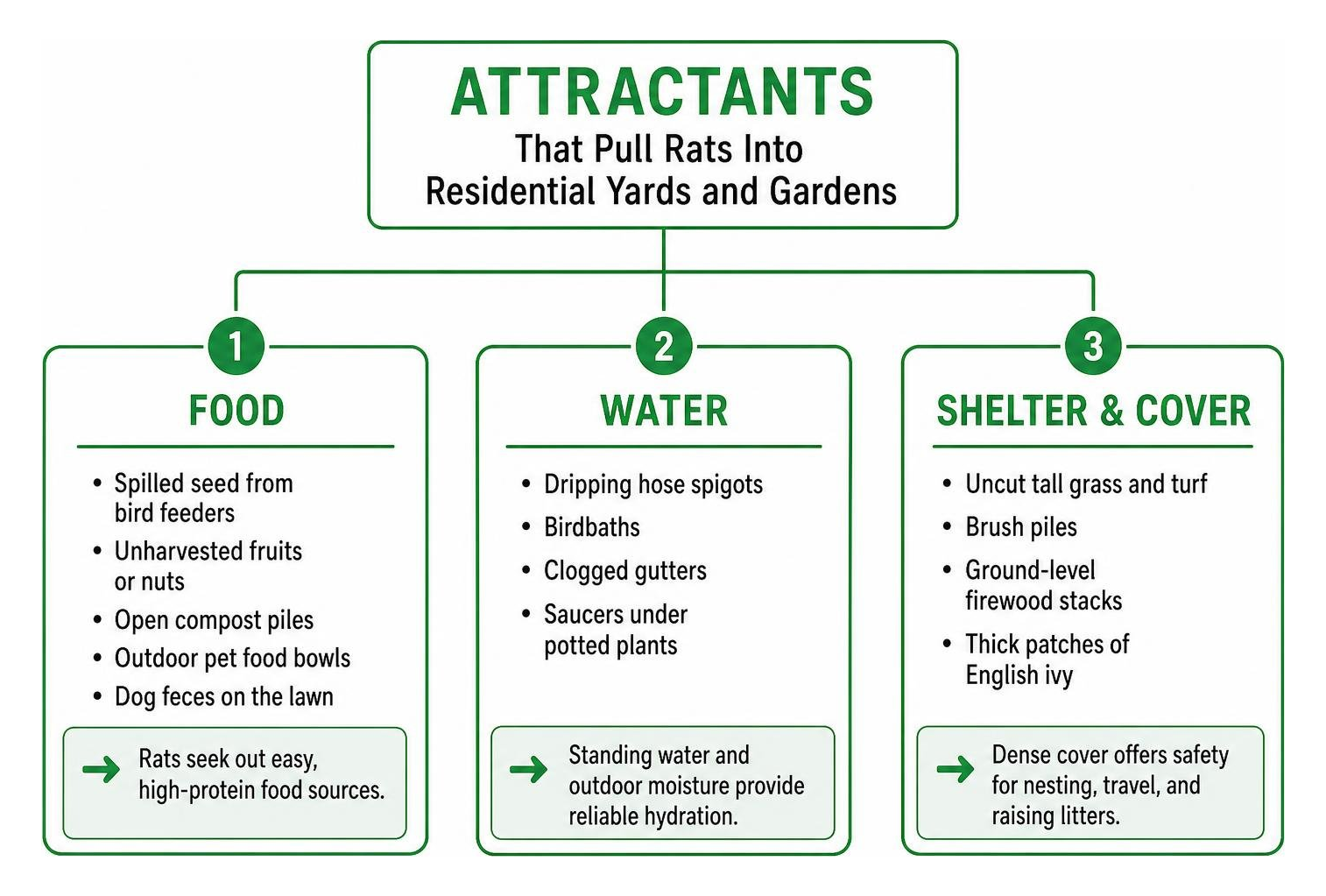
Rats do not pick yards at random. They move into outdoor areas that offer easy food, consistent water, and thick cover. A pair of rats will quickly settle down when three key resources are readily available:
- Accessible food supplies: Spilled seed from bird feeders, unharvested fruits or nuts beneath trees, open compost piles, and outdoor pet food bowls provide feast conditions. Dog feces left on the lawn is another major attractant. Dogs digest only about half of the nutrients in their food, leaving high-protein waste that rats seek out with their sharp sense of smell.
- Standing water and outdoor moisture: Dripping hose spigots, birdbaths, clogged gutters, and saucers under potted plants supply reliable hydration. Removing open water can cut outdoor rodent activity substantially.
- Shelter and dense harborage: Uncut tall turf, brush piles, ground-level firewood stacks, and thick patches of English ivy provide the dark cover rats need to build nests and rear litters safely.
The Best Way to Get Rid of Rats in Yard Environments Through Trapping
Mechanical trapping offers the most reliable way to clear rats from outdoor spaces without placing household pets or beneficial native wildlife in danger. Rats are thigmotactic, which means they prefer moving along vertical surfaces such as foundation footings, fences, retaining walls, and dense hedges. Placing traps in wide-open lawn areas rarely works.
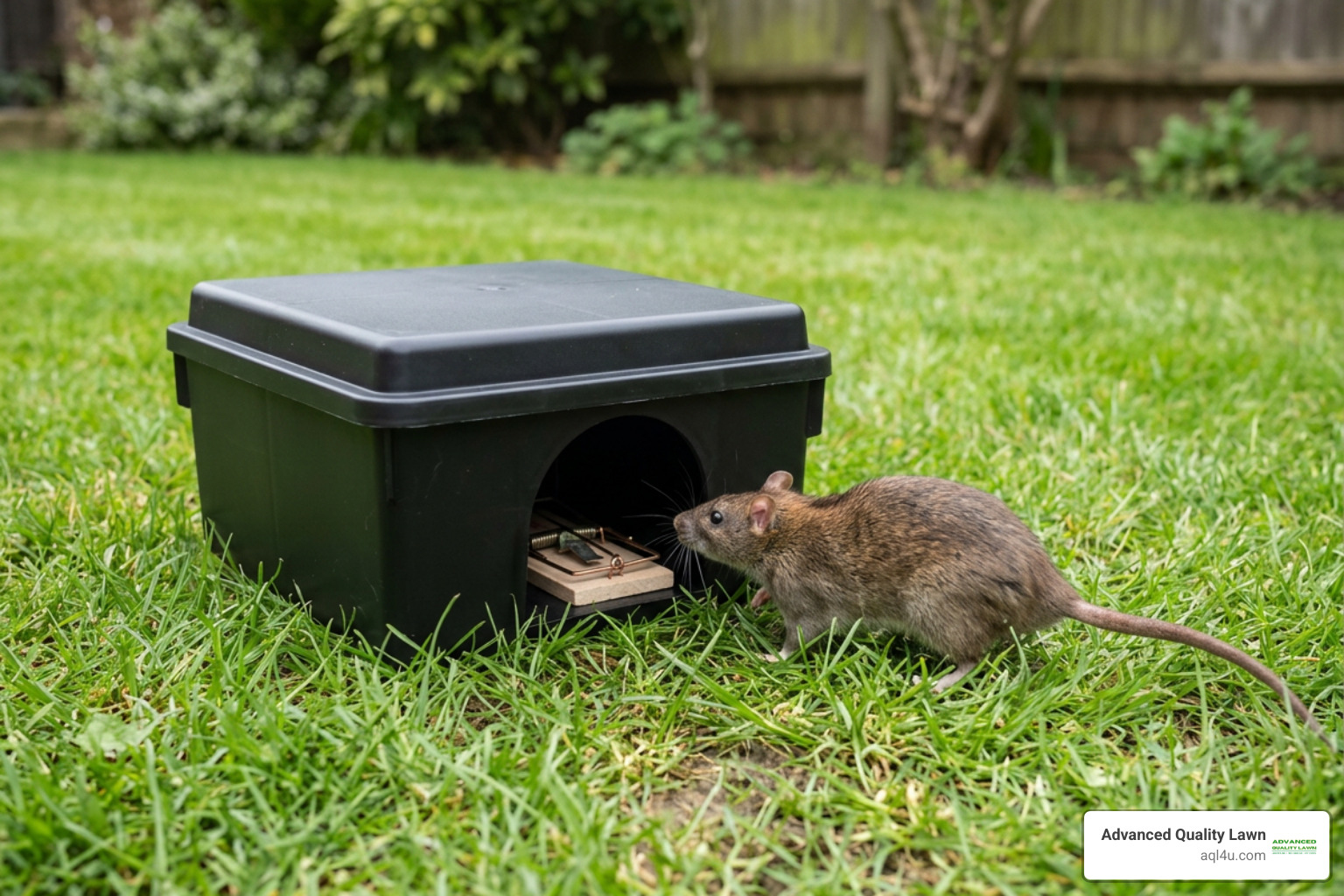
Rats also exhibit neophobia, an instinctive fear of new objects placed in their territory. If you drop a new trap directly into their runway, they will actively avoid it for days. Overcome this hesitation by pre-baiting your traps. Place baited but unset traps along their runways for three to four days. Once the rodents grow comfortable feeding from the hardware, set the triggers to catch multiple pests quickly.
Deploying Heavy-Duty Snap Traps Along Active Runways
Traditional, heavy-duty wooden or plastic snap traps are inexpensive and highly effective for outdoor yard use. To keep domestic pets and birds completely safe, always enclose outdoor snap traps inside locked, tamper-resistant station boxes.
Position snap traps perpendicular to fence lines, shed bases, or foundation walls with the bait treadle facing the wall. You can also place pairs of snap traps back-to-back parallel to the surface. When a rodent scurries along the edge from either direction, it triggers the trap instantly.
Use high-protein, aromatic baits that stick firmly to the pedal so the rat cannot easily snatch it away:
- Peanut butter mixed with rolled oats
- Crisp bacon tied to the trigger loop with sewing thread
- Nutella or hazelnut spread
- Small chunks of dried fruit or slim hot dog slices
For more scientific details on runway placement and trap mechanics, review the established UC IPM rodent management guidelines.
The DIY Spinning Jar and Bucket Method: A Best Way to Get Rid of Rats in Yard Spaces
If you are dealing with several rodents at once, a rolling log or spinning jar bucket trap offers an outstanding multi-catch solution that resets itself automatically.
To build one, drill two small holes near the upper rim of a clean 5-gallon bucket. Run a sturdy metal rod or coat hanger wire through the bucket rim, threading an empty peanut butter jar, aluminum soda can, or PVC pipe cylinder across the center of the wire. Coat the center cylinder with peanut butter and prop a wooden ramp from the ground up to the rim of the bucket.
When rats walk up the ramp and reach toward the delicious peanut butter on the cylinder, the jar spins freely under their weight. The rodent drops into the bottom of the bucket without triggering a mechanism that needs resetting.
You can use this method as a live trap by leaving the bucket dry and checking it twice daily. For detailed setup variations, look into spinning jar and rolling log trap mechanics to build your own working outdoor setup.
Snap Traps vs. Poison Baits vs. Live Traps
Choosing the right outdoor control method involves balancing speed, cost, pet safety, and environmental impact. While chemical rodenticides might seem like an easy fix, they come with substantial hidden risks.
Poisoned rodents rarely die immediately on the spot. Instead, they stumble through the yard over several days, making them easy targets for neighborhood dogs, outdoor cats, and native raptors like hawks and owls. This causes secondary toxicity deaths up the food chain. Poisoned rats can also crawl beneath decking, patios, or inside exterior wall voids before dying, resulting in terrible odors that last for weeks.
| Trap Method | Catch Effectiveness | Pet & Child Safety | Secondary Poisoning Risk | Primary Advantages & Limitations |
|---|---|---|---|---|
| Heavy-Duty Snap Traps | Very High | High (When placed inside tamper-resistant stations) | None | Quick, reliable, and low cost, but requires manual clearing and resetting. |
| Spinning Jar Bucket Traps | High (Excellent for multiple rats) | Very High | None | Automatically resets and catches multiple rodents overnight without chemicals. |
| Live Catch Cage Traps | Moderate | Very High | None | No kill mechanism, requiring immediate safe transport and relocation permits. |
| Anticoagulant Poison Baits | High (Population reduction) | Low to Moderate (Requires locked bait stations) | Severe Risk | Poses secondary poisoning hazard to hawks, owls, and pets while creating bad decay odors. |
Organizations focused on animal well-being strongly recommend mechanical traps and sanitation over toxic baits. Read through the Humane World guidelines on wild rats to understand how to eliminate pests without threatening local wildlife.
Physical Exclusion and Environmental Sanitation Tactics
Trapping removes the rodents currently living on your property, but long-term success requires physical exclusion and sanitation. If your yard still offers shelter and easy meals, new rodents will move right in to claim the territory.
Rats can compress their bodies and slip through openings as small as one inch wide, while mice can fit through gaps the size of a dime. Inspect every outbuilding, deck perimeter, crawlspace vent, and patio base for potential entryways. Seal cracks with structural steel wool, copper mesh, and heavy-duty silicone caulk. For larger gaps around utility lines, fit heavy galvanized sheet metal flashing over the openings to prevent gnawing.
Habitat Deprivation as the Best Way to Get Rid of Rats in Yard Borders
Depriving rodents of habitat around property borders forces them to seek out friendlier environments far away from your lawn:
- Elevate your firewood: Stack firewood and lumber on metal or concrete racks at least 18 inches off the ground, and keep piles well away from foundation walls. Move woodpiles at least twice a year to disturb nesting spots.
- Prune foundation shrubs and trees: Cut back shrubbery, vines, and low-hanging tree branches at least 3 feet from your home exterior. This eliminates shade cover and removes climbing bridges for roof rats.
- Mow your turf regularly: Keep your lawn mowed to standard heights. Rats avoid crossing wide, well-kept turf where they are visible to hawks and owls.
- Clean out landscape clutter: Remove piles of unused pavers, rock mounds, scrap lumber, and discarded lawn furniture.
- Manage yard insect populations: Rodents frequently forage for beetles and soil pests. Following our comprehensive ultimate bug control guide 2026 helps you eliminate the insect attractants that draw larger scavengers to your lawn.
Underground Hardware Cloth Barriers and Burrow Collapsing
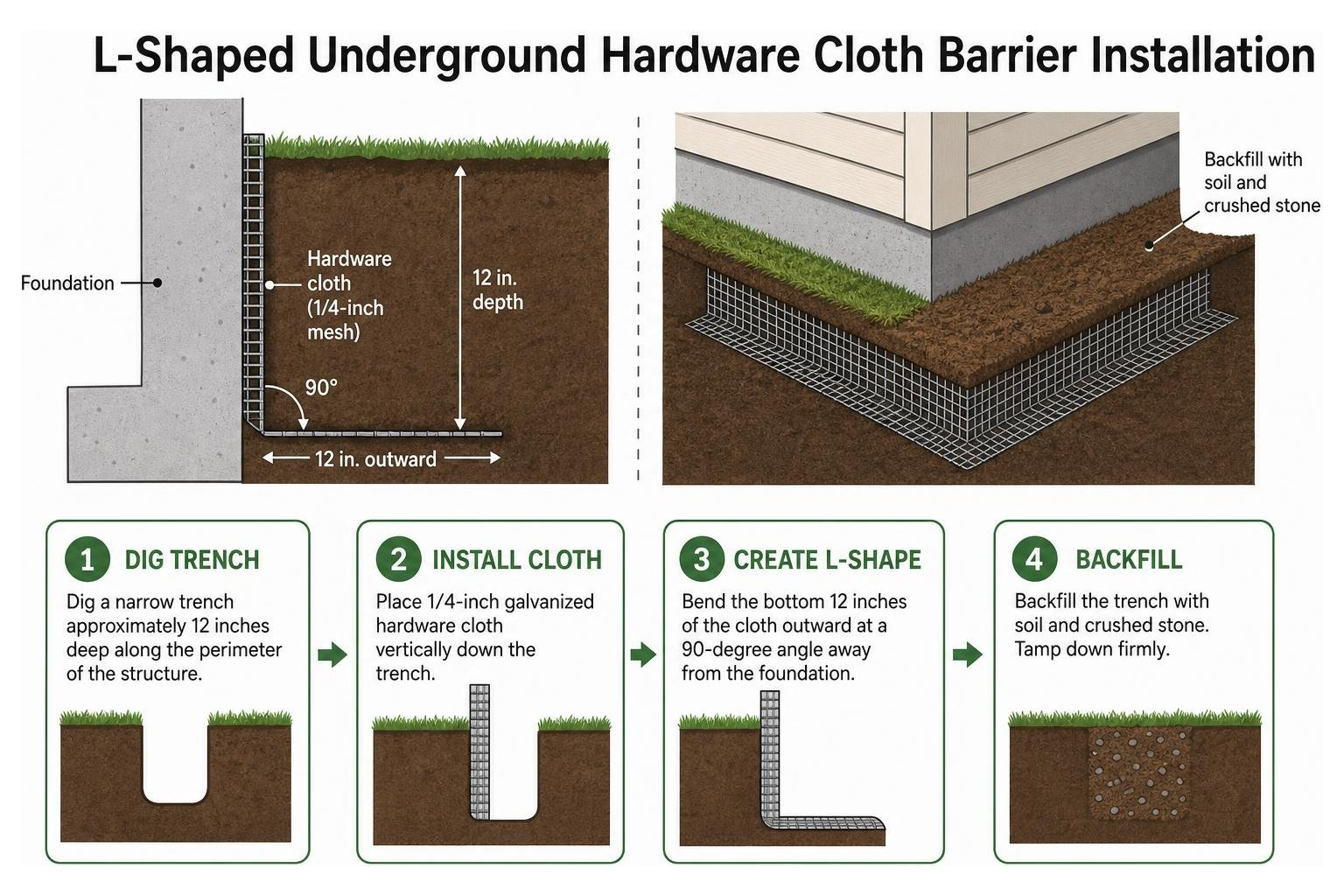
To prevent Norway rats from burrowing beneath concrete porches, shed floors, and raised garden beds, install an underground L-shaped wire footer.
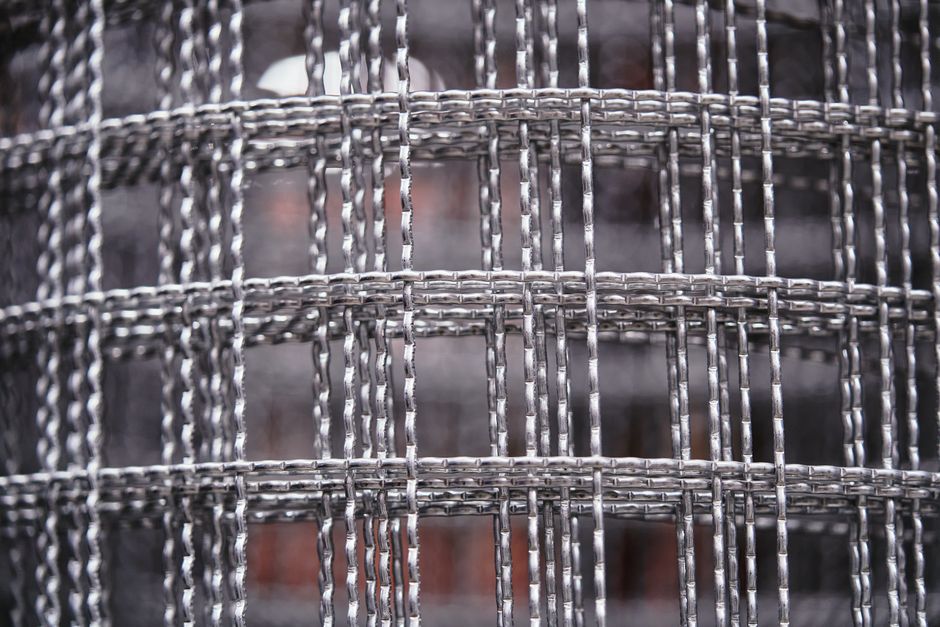
Dig a narrow trench roughly 12 inches deep along the perimeter of the structure. Install 1/4-inch galvanized hardware cloth vertically down the 12-inch trench, then bend the bottom 12 inches of wire outward at a 90-degree angle away from the foundation. Backfill the trench with soil and crushed stone. When a rat attempts to dig downward to tunnel under the building, it hits the metal wire mesh and stops.
Once you confirm that burrows are inactive, collapse the tunnels to prevent other pests from taking them over. Pack the holes tightly with a mixture of native soil and coarse gravel. The sharp gravel makes re-digging difficult. Tamp the surface down firmly and roll damaged lawn sections with a turf roller.
Natural Scent Deterrents and Lawn Restoration After an Infestation
Once your active trapping and exclusion efforts are complete, natural scent deterrents can provide an extra layer of perimeter defense. Rats have a sense of smell far more sensitive than humans, making them dislike strong essential oils and spicy compounds.
- Peppermint oil sprays: Mix 15 to 20 drops of pure peppermint essential oil with one cup of water and two drops of dish soap. Spray this solution along fence lines, around compost bins, and near outbuildings every three to five days.
- Capsaicin and garlic solutions: A pureed mix of garlic cloves and cayenne pepper powder diluted in warm water creates a pungent sensory repellent for non-edible landscape borders.
- Repellent companion plantings: Plant potted mint, lavender, rosemary, and French marigolds around patio borders and shed doors. Grow mint in decorative containers so it does not spread aggressively through your lawn turf.
Scent repellents alone will not eliminate an established colony. Use them as finishing deterrents alongside solid sanitation and mechanical trapping.
Safe Cleanup, Disinfection, and Carcass Disposal Protocols
Wild rodents carry transmissible bacteria and parasites. Taking proper safety precautions during trap clearing and sanitation is essential for your family's health.
Always wear thick nitrile or rubber gloves and a dust mask when handling traps or cleaning contaminated areas. Never sweep or vacuum dry droppings, as this kicks up airborne pathogens. Instead, spray droppings, nesting materials, and captured carcasses with a household disinfectant or a 1:9 bleach-to-water mixture. Allow the liquid to sit for five minutes to neutralize bacteria.
Pick up the wetted materials using damp paper towels. Place the debris and deceased rodents into a heavy-duty plastic trash bag, seal it tightly, and place it inside a second sealed bag. Drop the double-bagged waste into an outdoor garbage can with a tight lid. Disinfect your gloves with soap and water before taking them off, then wash your hands thoroughly with warm water and soap. For broader health protection against parasites carried by pests, consult our guide on the best way to treat yard for bugs.
Restoring Damaged Turf and Soil Health
An outdoor rodent infestation often leaves behind bare patches, excavated subsoil, and damaged grass roots. Once the tunnels are collapsed and filled, follow these practical steps to restore your lawn's health:
- Level the turf surface: Fill sunken holes with a nutrient-rich blend of topsoil and organic compost, smoothing it level with the surrounding lawn.
- Aerate compacted soil: Rodent runways and trap traffic can compact your soil. Core aeration pulls small soil plugs, relieving compaction and allowing water, air, and nutrients to reach grass roots.
- Overseed bare patches: Spread premium grass seed tailored to your yard's sunlight conditions over damaged areas. Rake the seed lightly into the topsoil to ensure good seed-to-soil contact.
- Water consistently: Keep the repaired areas moist with light, frequent watering until the new grass establishes strong roots.
Frequently Asked Questions About Outdoor Rat Control
Do ultrasonic repellents actually work to drive rats out of a lawn?
Ultrasonic sound emitters are almost completely ineffective for outdoor rodent control. High-frequency sound waves dissipate rapidly in open outdoor air and cannot penetrate solid obstacles like fences, raised beds, or dense shrubs. Furthermore, rats quickly grow accustomed to repetitive acoustic patterns within a few days once they realize the noise poses no physical danger. Investing in good trapping hardware and proper sanitation delivers far better results.
When is it necessary to call a professional exterminator instead of DIY trapping?
While DIY methods work well for isolated outdoor rat problems, professional help is recommended if you notice daytime rat activity across the yard, discover dozens of fresh burrows, or suspect rodents have chewed through foundation entry points to invade crawlspaces and attics. Licensed professionals have specialized commercial bait systems, tracking powders, and structural sealing equipment to resolve heavy suburban infestations quickly and safely.
How far do trapped wild rats need to be relocated?
If you catch rats using humane, non-lethal bucket or cage traps, you must transport them at least one full mile away from your property before release. Commensal rodents possess strong homing instincts and can navigate back to their original nesting territory across several hundred yards. Always check local wildlife and municipal regulations first, as many communities regulate where wild rodents can be released to protect public health and native ecosystems.
Conclusion
Clearing rats from your outdoor living areas requires a structured plan that addresses the root causes of the problem. Relying solely on short-term chemical poisons or unproven repellent gimmicks will not keep your lawn safe over the long haul.
By combining proactive food and water removal with habitat clearing, structural exclusion barriers, and strategic mechanical trapping, you can protect your turf and restore comfort to your backyard. Maintaining healthy soil, well-trimmed borders, and robust turf creates a resilient landscape that naturally discourages unwanted pests.
If your lawn has suffered from rodent tunnel damage, thinning grass, or soil compaction, our local team is here to help. Reach out to Advanced Quality Lawn to learn more about our professional lawn care and maintenance services and discover how our guaranteed programs keep properties healthy and green throughout the entire season.