
Why Crabgrass Is Such a Problem in Centipede Lawns
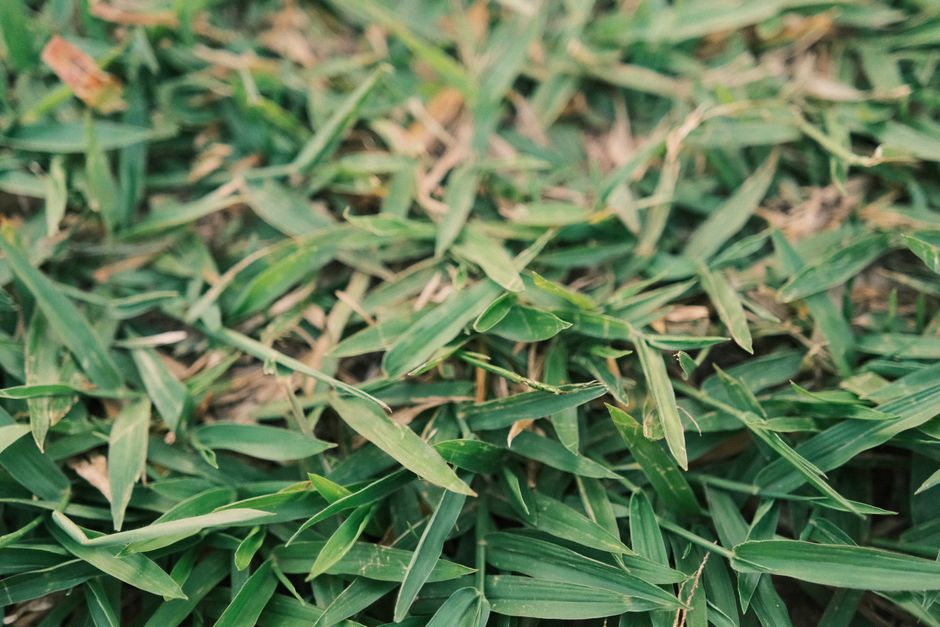
Crabgrass control in centipede lawns is one of the trickiest weed challenges a homeowner can face. Centipedegrass is naturally slow-growing and low-maintenance, but those same qualities make it vulnerable. Crabgrass grows fast and crowds it out before the centipede has a chance to recover.
Here is a quick answer to get you started:
How to control crabgrass in centipede lawns:
- Apply a pre-emergent herbicide by March 1 using prodiamine, dithiopyr (Dimension), or simazine before crabgrass germinates
- Use Tenacity (mesotrione) for post-emergent control at labeled rates if crabgrass is already growing
- Apply sethoxydim at no more than 0.5 oz per 1,000 sq ft as a safe post-emergent option
- Avoid quinclorac and 2,4-D during hot weather as they can injure centipedegrass
- Keep nitrogen low (0 to 2 lbs per 1,000 sq ft per year) to avoid weakening your lawn and inviting weeds
The tricky part is that centipedegrass is very sensitive to many common herbicides. Using the wrong product, or even the right product at the wrong rate, can damage your lawn as much as the crabgrass itself.
That is why getting the approach right from the start matters so much.
I'm Andrew Day, owner of Advanced Quality Lawn, and with over 30 years of industry experience I have seen how easy it is to make crabgrass control in centipede lawns worse with the wrong treatment. In the sections below, I will walk you through exactly what works and what to avoid.
Effective Strategies for Crabgrass Control in Centipede Lawns
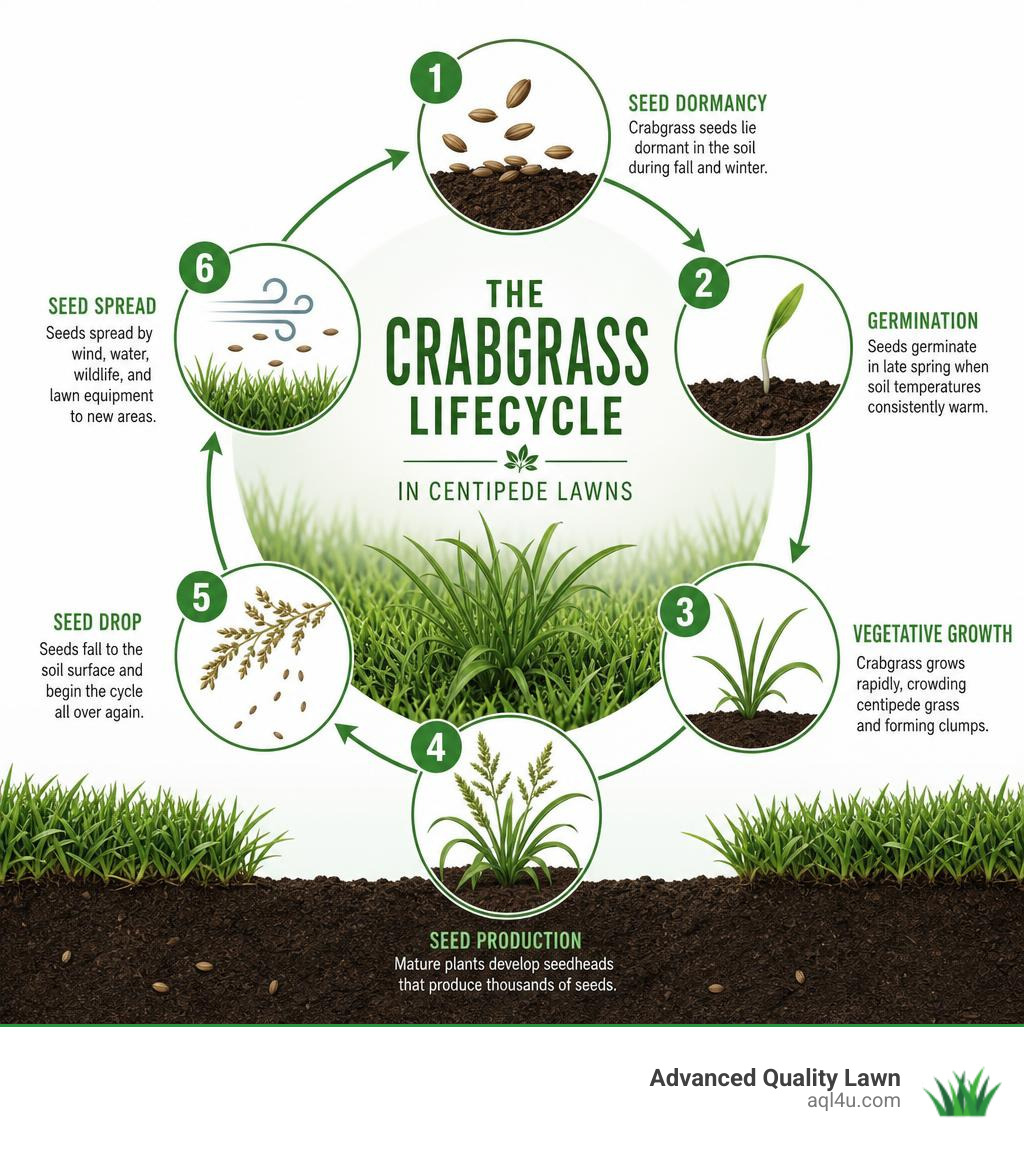
To keep your centipedegrass lawn looking its best, you have to play defense before you play offense. Because centipedegrass is slow to establish and spread, a heavy crabgrass invasion can quickly take over bare spots. The absolute best way to manage this aggressive weed is to stop it from sprouting in the first place.
This is where pre-emergent herbicides come into play. These products create a chemical barrier in the top layer of your soil. When crabgrass seeds germinate, they hit this barrier and die before they can break through the surface.
For centipedegrass, three main pre-emergent options are both safe and highly effective:
- Prodiamine: This is a favorite for long lasting control. It is incredibly stable in the soil and provides excellent protection against crabgrass without hindering your centipedegrass roots.
- Dithiopyr (Dimension): This active ingredient is unique because it provides both pre-emergent control and early post-emergent control. If you miss your application window by a week or two and some crabgrass has just started to sprout, dithiopyr can still knock it out.
- Simazine: This is another excellent option that works well in warm-season lawns, helping to block a wide variety of grassy and broadleaf weeds.
To make these pre-emergents work, timing is everything. You must apply them before the crabgrass seeds begin to wake up. In most regions where centipedegrass is grown, a firm deadline for your spring pre-emergent application is March 1. If you wait until April or May, the crabgrass will already be growing, and your pre-emergent will do very little to stop it.
If you are dealing with newly laid sod, you must take extra precautions. Never apply pre-emergent herbicides to recently installed centipede sod. The chemical barrier that stops weed seeds from growing will also stop your new sod roots from knitting into the soil. Wait until the sod has completely rooted and you have mowed it at least three to four times before applying any pre-emergent barrier. For a complete look at the seasonal needs of this unique turf, you can consult the Centipedegrass Lawn Maintenance Calendar.
Timing Pre-Emergent Applications for Crabgrass Control in Centipede Lawns
While March 1 is a great general rule, the real indicator for pre-emergent timing is soil temperature. Crabgrass seeds begin to germinate when soil temperatures consistently reach 55 degrees Fahrenheit for three to four consecutive days. You can monitor local soil temperatures online or use a simple soil thermometer pushed a few inches into your dirt.
Applying your pre-emergent just before this temperature threshold is reached ensures the barrier is fully active when the seeds attempt to sprout. In addition to spring applications, a fall pre-emergent application in October is highly recommended. While this fall treatment focuses on winter annual weeds like spurweed, it helps keep the lawn dense and weed-free ahead of the next spring. For a deeper look at managing weeds throughout the year, check out our Ultimate Weeds and Crabgrass Guide.
Preventing Breakthroughs in Established Turf
Even with a well-timed pre-emergent application, heavy rains or soil disturbance can sometimes cause weed breakthroughs. If you have historical trouble spots, a split application is often the best approach. Instead of putting down the full rate of pre-emergent all at once, you apply half in late February and the remaining half six to eight weeks later. This extends your protection through the long summer months when crabgrass is most aggressive.
If you are planning to seed any bare areas of your lawn, keep in mind that pre-emergents will prevent your grass seed from growing too. Be sure to read our Best Herbicide for Crabgrass and our Crabgrass Preventer Safe Seeding Guide to plan your seeding and weed control schedule safely.
Post-Emergent Herbicide Safety and Selection
When crabgrass escapes your pre-emergent barrier, you have to transition to post-emergent herbicides. This is where many homeowners run into trouble. Centipedegrass is sometimes called poor man's grass because of its low nutrient needs, but it is incredibly rich in sensitivity. It does not tolerate many of the standard weed killers on the market.
One of the safest and most effective post-emergent options for centipedegrass is sethoxydim. Often sold under the brand name Vantage, sethoxydim targets grassy weeds while leaving your centipedegrass unharmed. However, you must be extremely precise with your application rates.
The labeled rate for sethoxydim on centipedegrass is 1.5 pints per acre, which translates to approximately 0.5 ounces per 1,000 square feet. It is incredibly easy to over-apply this chemical when using a hand sprayer. For example, mixing 1 ounce of sethoxydim per gallon of water and spraying to wet can easily result in a four-times overdose, causing severe yellowing, stunting, or death of your turf. Always calibrate your sprayer and measure your product carefully.
There are also several common chemicals you should avoid entirely:
- Quinclorac: This is the active ingredient in most retail crabgrass killers. While it is excellent for zoysia or bermudagrass, quinclorac is highly toxic to centipedegrass. Applying it will cause severe, long lasting damage.
- 2,4-D: This common broadleaf weed killer must be used with extreme caution. During the hot summer months, 2,4-D can easily burn warm-season grasses. If you must use it, apply it at reduced rates during cooler weather.
For broadleaf weeds, safer alternatives like metsulfuron (Manor or Blade) are much better suited for centipedegrass. To learn more about the specific sensitivities and characteristics of this grass type, refer to the Centipedegrass Home & Garden Information sheet.
Post-Emergent Solutions for Crabgrass Control in Centipede Lawns
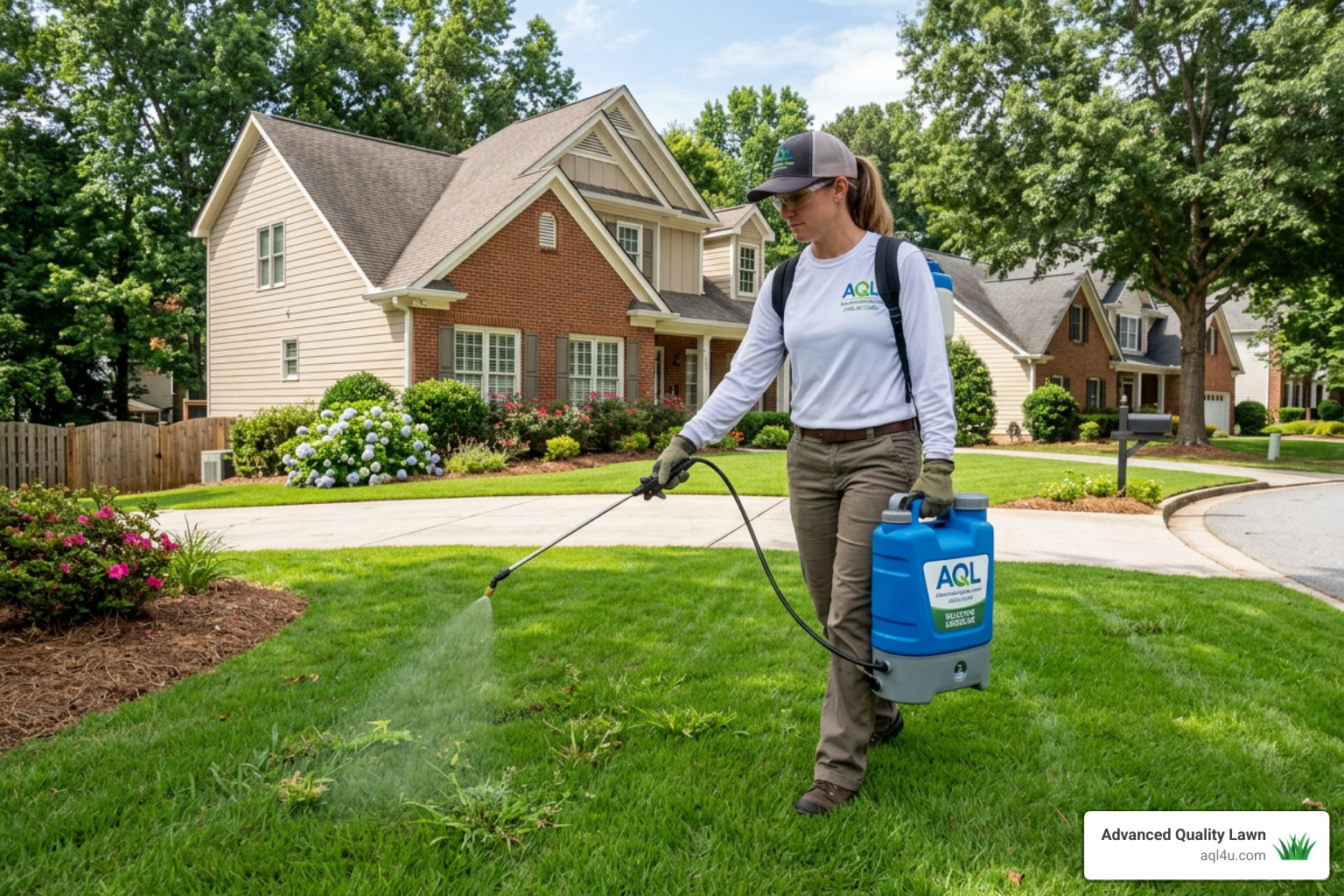
When dealing with crabgrass that has already emerged, spot spraying is always preferred over broadcasting chemicals across your entire lawn. Spot spraying minimizes turf stress and limits chemical use to only the areas that actually need it.
Make sure your lawn is not suffering from drought stress before you spray. Applying any herbicide to a thirsty, heat-stressed lawn increases the risk of chemical burn. Water your lawn thoroughly a day or two before treatment to ensure the grass is healthy and hydrated. For more tips on selecting the right tools, read our guide on the Best Way to Get Rid of Crabgrass and our updated Crabgrass Removal Guide 2026.
Applying Tenacity Safely on Centipedegrass
Another popular option for weed control is Tenacity, which contains the active ingredient mesotrione. Tenacity is unique because it is labeled as safe for centipedegrass and provides both pre-emergent and post-emergent control of crabgrass.
However, Tenacity works by blocking chlorophyll production in target weeds, which turns them completely white before they die. Because centipedegrass is sensitive, it can also experience temporary whitening after an application. This whitening is usually cosmetic and the grass will return to its normal green color within three to four weeks.
To apply Tenacity safely:
- Always follow the exact label rates for centipedegrass.
- Use a temporary turf colorant, such as Turf Mark Blue, in your tank mix. This shows you exactly where you have sprayed, helping you avoid overlapping and double dosing, which leads to severe whitening.
- Avoid applying Tenacity during periods of extreme heat or drought.
For a detailed look at summer weed care, check out our Ultimate Crabgrass Removal Guide Summer.
Cultural Practices to Prevent Crabgrass Infestation
While herbicides are powerful tools, the ultimate weed control is a thick, healthy lawn. Cultural practices that encourage deep roots and dense growth will naturally choke out crabgrass before it can establish.
First, let's talk about mowing height. Centipedegrass should be mowed at a height of 1.5 to 2.0 inches. Mowing too low scalps the grass, exposing the soil to sunlight and giving crabgrass seeds the light they need to germinate. Avoid removing more than one-third of the leaf blade at any single mowing.
Second, fertilization must be kept to a minimum. Centipedegrass thrives in low-nutrient environments. It requires only 0 to 2 pounds of actual nitrogen per 1,000 square feet per year. If you over-fertilize your centipede lawn, you will cause rapid, weak growth and a massive buildup of thatch. This often leads to a condition known as centipedegrass decline, where large patches of the lawn die off in the spring, leaving perfect openings for crabgrass to take over.
Third, adjust your irrigation habits. Watering lightly and frequently encourages shallow root systems that are easily stressed during dry spells. Instead, water deeply and infrequently. Apply 1 inch of water per application, soaking the soil to a depth of six inches, and only water when the grass shows early signs of wilt, such as a dull blue-green color or rolling leaves.
Finally, keep an eye on thatch. Centipedegrass stolons have a high lignin content, making them slow to decompose. If your thatch layer exceeds 0.5 inches, it acts as a barrier that prevents water, oxygen, and nutrients from reaching the soil. It also provides a perfect incubator for weed seeds. If your thatch is too thick, use a power rake with a 2-inch or 3-inch blade spacing set 1/4 inch deep in late May to safely thin it out.
Recovering Damaged Centipedegrass After Treatment
If your centipedegrass has suffered damage from a crabgrass invasion or an accidental herbicide overdose, recovery requires patience and gentle care. Pushing the grass with heavy nitrogen fertilizer to force quick growth will only cause further damage and increase the risk of disease.
Instead, try spoon-feeding the lawn with very low rates of fertilizer. Applying a gentle, slow-release fertilizer at a rate of no more than 0.25 pounds of nitrogen per 1,000 square feet can help stimulate recovery without stressing the plants.
If your lawn is looking yellow or chlorotic, skip the nitrogen entirely and apply an iron chelate spray or ferrous sulfate. Iron will give the grass a deep green color within 24 hours without causing a rapid surge in growth. Keep the lawn well-watered during its recovery phase, and avoid applying any further herbicides until the grass is completely healthy and growing vigorously. For more advice on managing weed-damaged lawns, read our article on Broadleaf and Crabgrass Herbicide.
Frequently Asked Questions About Centipedegrass Care
Can I use quinclorac on my centipede lawn?
No, you should not use quinclorac on a centipedegrass lawn. While quinclorac is a common and effective active ingredient for controlling crabgrass in many turf types, centipedegrass is highly sensitive to it. Applying quinclorac can cause severe turf injury, stunting, or localized death. Stick to safer post-emergent options like sethoxydim or Tenacity, and always read the product label to ensure centipedegrass is listed as a tolerant turf type.
How do I treat crabgrass on newly laid centipede sod?
You must avoid using pre-emergent herbicides on newly laid centipede sod because these chemicals prevent the new roots from establishing in the soil. If crabgrass breaks through, the safest option is hand pulling the weeds while they are still small. If the infestation is too large for hand pulling, wait until the sod is fully established, which means it has rooted firmly into the ground and has been mowed at least three to four times, before applying a mild, targeted post-emergent herbicide like sethoxydim at the lowest labeled rate.
Why is my centipedegrass turning yellow after herbicide application?
Yellowing or whitening is a common response to herbicide stress in centipedegrass. If you applied Tenacity (mesotrione), the temporary whitening of the grass is a normal side effect of the chemical blocking chlorophyll production, and the grass should recover its green color within three to four weeks. Yellowing can also be caused by minor chemical burn or iron chlorosis. You can help the lawn recover by keeping it watered and applying a chelated iron spray to restore its green color without forcing risky growth with nitrogen.
Conclusion
Managing crabgrass control in centipede lawns takes a careful balance of proper timing, precise chemical selection, and healthy cultural habits. Because centipedegrass is so sensitive, a single mistake with a bottle of herbicide can set your lawn back for months.
If you want to ensure your lawn stays thick, green, and weed-free without the stress of mixing chemicals and calculating rates, we are here to help. At Advanced Quality Lawn, we provide professional lawn care services tailored specifically to the unique needs of your turf. We proudly serve homeowners across Northeast Ohio, including Akron, Hudson, Brecksville, Copley, Bainbridge, Solon, Chagrin Falls, Broadview Heights, Parma, Medina, Macedonia, Cleveland, Richfield, Stow, Twinsburg, Streetsboro, Boston Heights, Cuyahoga Falls, Peninsula, Independence, Seven Hills, North Royalton, and Sagamore Hills.
We back our work with excellent customer service, free service calls, and full-program guarantees across multiple counties. Contact us today to get started on a custom care plan for your property, and visit our Lawn Care and Maintenance Services page to learn more about how we can help your lawn thrive.