Stop Being a Patchy Parent with the Best Grass Fertilisers
Why Choosing the Best Fertiliser for Grass Makes or Breaks Your Lawn
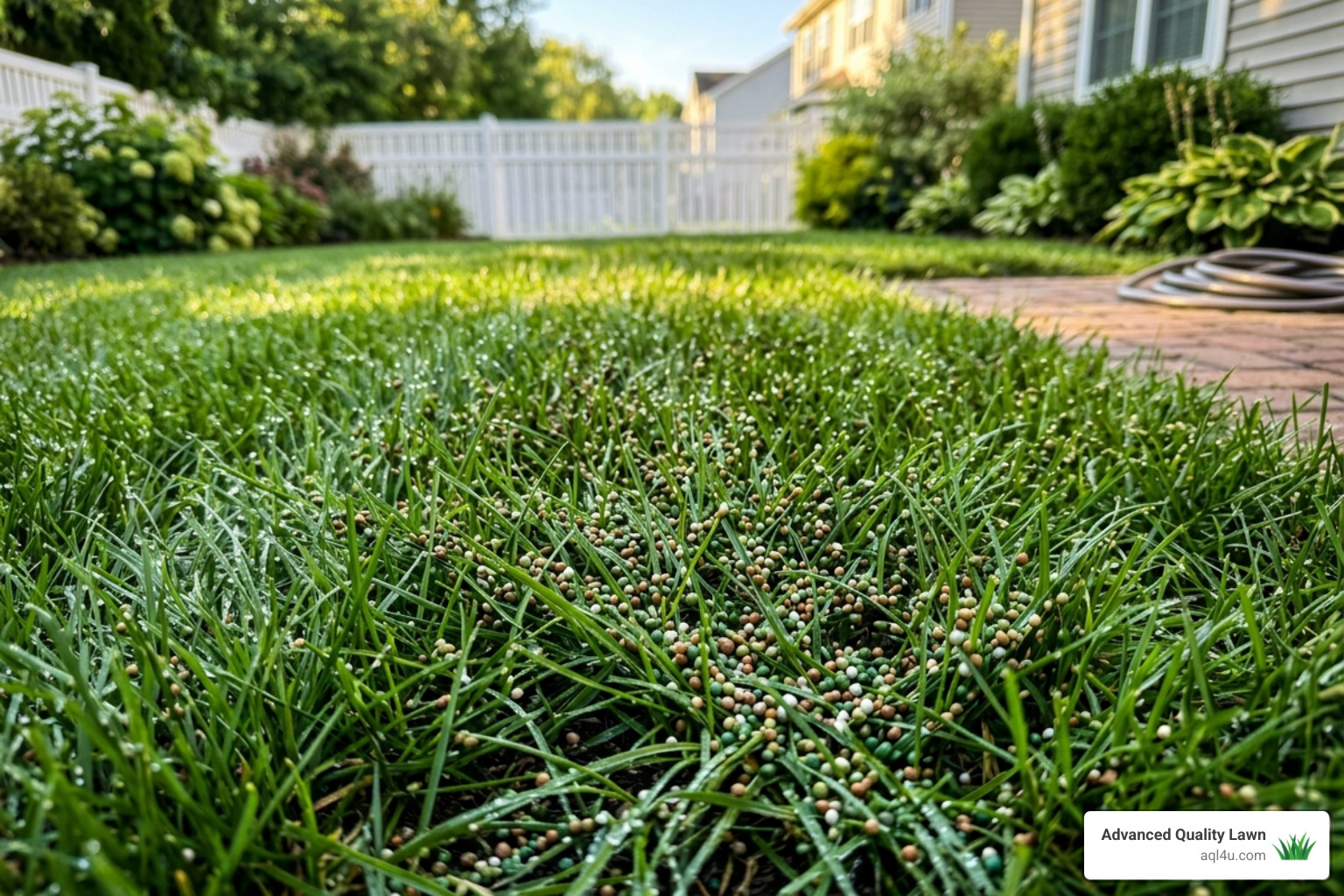
The best fertiliser for grass depends on your grass type, your region, and what problems you are trying to solve. But if you need a quick answer, here are the top picks:
| Fertiliser | Best For | Key Benefit |
|---|---|---|
| Scotts Turf Builder Lawn Food (32-0-4) | Any grass type | Builds strong roots, no burn risk |
| Milorganite (6-4-0) | Beginners, organic preference | Safe, slow-release, adds iron |
| Scotts Turf Builder Triple Action | Northern lawns with weeds | Feeds and prevents crabgrass for up to 4 months |
| Scotts Turf Builder Southern Triple Action | Southern lawns with pests | Controls fire ants for up to 6 months |
| The Andersons PGF Complete (16-4-8) | All-round professional results | Includes humic acid for soil health |
| Sunday Green Machine | Quick and easy application | Covers 10,000 sq ft in 15 minutes |
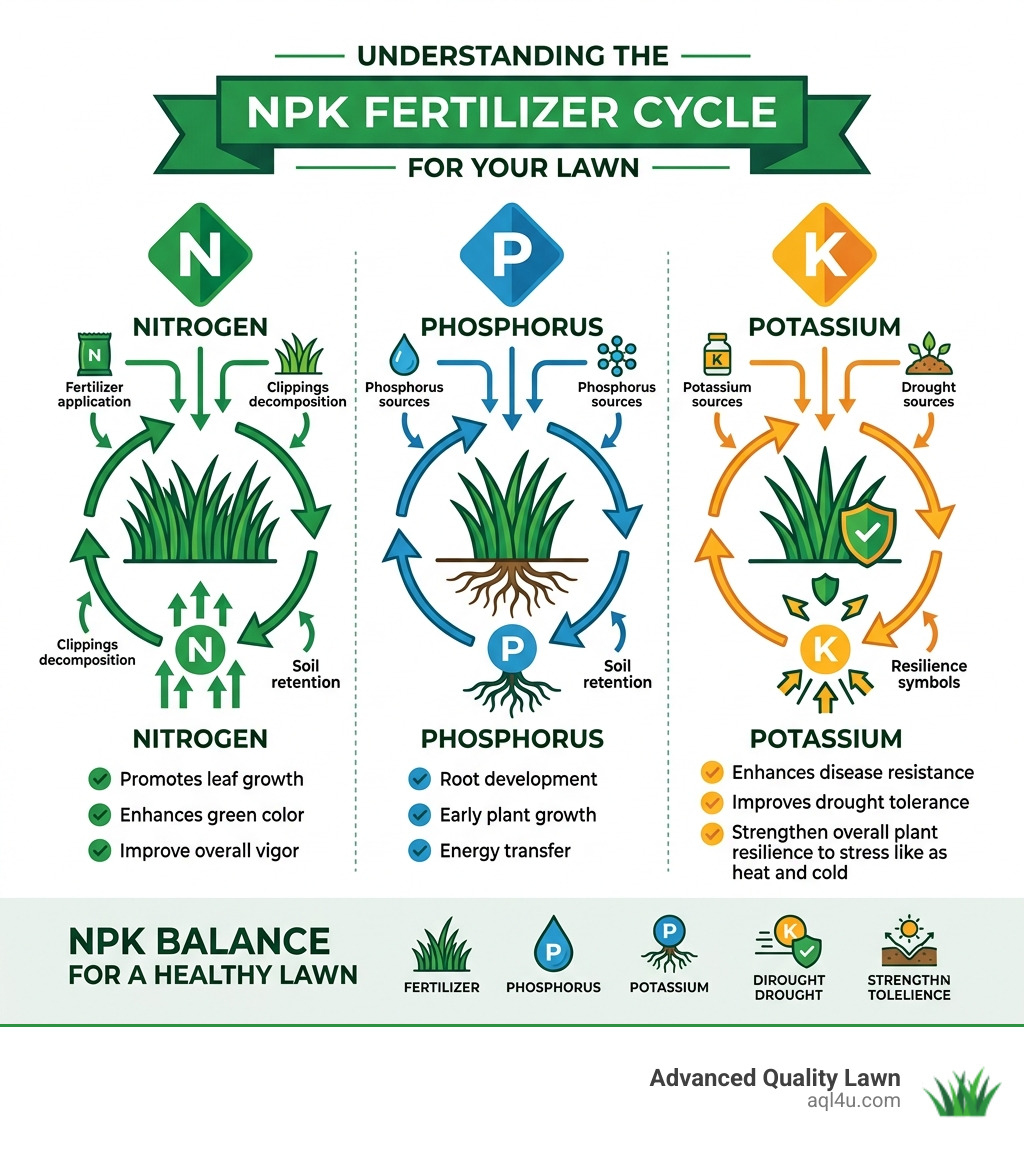
A patchy, thin lawn is almost always a sign of one thing: the grass is not getting the nutrients it needs. Nitrogen drives leaf growth. Phosphorus builds roots. Potassium helps grass survive heat, drought, and disease. When any of these are out of balance, your lawn shows it fast.
Ohio lawns have it especially tough. Cool, wet springs give way to hot, dry summers, and the soil in Northeast Ohio can vary wildly from one yard to the next. Picking the wrong fertiliser, or applying it at the wrong time, can make things worse instead of better.
I'm Andrew Day, owner of Advanced Quality Lawn and a lawn care professional with more than 30 years of experience helping homeowners across Northeast Ohio find the best fertiliser for grass that actually performs through our region's demanding seasons. In the sections below, I'll walk you through every major option so you can make a confident choice for your lawn in 2026.
Choosing the Best Fertiliser for Grass Varieties

When we talk about the best fertiliser for grass, we first have to figure out what kind of "children" you are raising in your yard. Grasses are generally split into two camps: cool-season and warm-season. Because we are based in Northeast Ohio, serving areas like Hudson, Brecksville, and Cuyahoga Falls, we almost exclusively deal with cool-season varieties. However, understanding the difference helps you avoid buying a product designed for a Florida lawn that won't work in Cleveland.
Cool-season grasses thrive when the temperatures are between 60 and 75 degrees Fahrenheit. They grow most aggressively in the spring and fall. Warm-season grasses, on the other hand, love the heat and do most of their growing when the mercury hits 80 or 90 degrees. If you are starting fresh, you might want to look at our guide on the Best Fertilizer for New Grass to ensure those young seedlings get the gentle start they need.
Selecting the Best Fertiliser for Grass in Cool Climates
For our neighbors in Akron, Solon, and Medina, your lawn is likely a mix of Kentucky bluegrass, perennial ryegrass, and tall fescue. These grasses are the marathon runners of the plant world. They handle cold winters well but can get "tired" during a hot July.
The best fertiliser for grass in the North usually features a higher nitrogen content to support that lush green look we all want. Products like Lawn Fertiliser | Baileys Brilliance Lawn Food All Purpose - Baileys Fertilisers are designed to provide a balanced approach with nitrogen and potassium to help the grass stand up to stress. In April 2026, as the ground thaws in Northeast Ohio, these cool-season grasses are hungry. They have spent all winter using up their stored energy and need a "breakfast" of nitrogen to kickstart leaf production.
Selecting the Best Fertiliser for Grass in Warm Climates
While we don't see much of it in Summit or Cuyahoga County, warm-season grasses like Bermuda, St. Augustine, and Zoysia have very different appetites. These grasses are "alpha" growers in the heat. They can handle much higher doses of nitrogen during the peak of summer when cool-season grass is trying to take a nap.
If you happen to be managing a property with these types, you'll need specific products like those mentioned in our article on Bermuda Grass Seed and Fertilizer. These grasses often require more frequent "spoon-feeding" of nutrients to keep up with their rapid growth rates in the summer sun. For us in the North, applying that much nitrogen in July would likely result in a burnt, brown mess.
Comparing Natural and Synthetic Nutrient Sources

One of the most common questions we get at Advanced Quality Lawn is whether you should go natural or stick with the "blue bag" stuff. There are benefits to both, and the right choice depends on your goals and your patience level. You can dive deeper into this debate here: Is Organic Fertilizer Better Than Synthetic Fertilizer.
Synthetic fertilisers are like a shot of espresso for your lawn. They are formulated to release nutrients almost immediately. If your lawn looks yellow and you want it green by the weekend, synthetics are the way to go. They are often more cost-effective for covering large areas, but they carry a higher risk of "burning" the grass if you aren't careful.
Natural or organic fertilisers are more like a slow-cooked roast. They take time to break down. Products like Milorganite or composted manure don't just feed the grass; they feed the soil microbes. This builds a healthier ecosystem over time. The downside is that they are often lower in nutrient concentration, meaning you might need to spread 50 pounds of organic material to get the same nitrogen as 10 pounds of synthetic granules.
Finding the Best Fertiliser for Grass with Weed Prevention
Why do two jobs when you can do one? Many of the best fertiliser for grass options on the market today are "Triple Action" or "Weed and Feed" products. These are lifesavers for busy parents in Northeast Ohio who don't have time to spray every individual dandelion.
For example, Scotts Turf Builder Triple Action is a favorite because it feeds the lawn while preventing new weeds like crabgrass for up to 4 months. In our region, crabgrass is a major villain. Once it takes hold in the heat of June, it is very hard to kill. Using a pre-emergent fertiliser in early spring is the best defense. Some natural options, like Jackpot Fertilizer | All Natural, Really Works , aim to provide results without the heavy chemicals, which is a great choice if you have curious pets or toddlers crawling through the grass.
Finding the Best Fertiliser for Grass with Pest Control
Sometimes the "patches" in your lawn aren't caused by a lack of food but by uninvited guests. Grubs are a huge problem in Ohio, especially in areas like Stow and Twinsburg. They eat the roots of your grass, leaving brown patches that you can roll up like a carpet.
Using a multi-benefit fertiliser can help. Some products combine lawn food with insect control to handle grubs, fleas, and ticks. If you prefer a liquid approach for faster leaf absorption, a 16-4-8 Liquid Fertilizer can be a great way to deliver nutrients and even some pest suppressants directly to the plant. This is especially helpful in the South for fire ants, though here in the North, our focus is usually on those pesky subsurface grubs.
Optimal Timing and Application Methods for 2026
Timing is everything. You wouldn't eat Thanksgiving dinner at 8 AM, and you shouldn't fertilise your lawn when it isn't ready to eat. For the year 2026, we recommend a four-feeding schedule for most Northeast Ohio homes.
- Early Spring (April 2026): As soon as the grass starts to turn green and you see the first dandelions popping up, it is time for the first meal. This is usually when you want to apply your crabgrass preventer.
- Late Spring (May/June 2026): This feeding builds on the first one and helps the grass thicken up before the summer heat hits.
- Summer (July/August 2026): Be careful here! If it is a drought, skip the fertiliser. If you do feed, use a "slow play" strategy with low nitrogen and high iron to keep it green without forcing it to grow too fast.
- Fall (September/October 2026): This is actually the most important feeding of the year. A good Winterizer helps the grass store nutrients in its roots so it can survive the harsh Ohio winter and wake up strong in 2027.
Granular vs Liquid Application Techniques
How you put the food down matters just as much as what is in the bag. Most homeowners prefer granular fertilisers because they are easy to see and spread.
| Method | Best For | Pros | Cons |
|---|---|---|---|
| Granular | Large Lawns | Slow release, easy to see where you've been | Needs to be watered in, can be dusty |
| Liquid | Quick Greening | Fast absorption, easy hose-end application | Harder to get even coverage on huge lots |
If you are using a broadcast spreader, the key is to "dial it in" according to the bag instructions. Walking at a steady pace is vital. If you stop to talk to a neighbor while the spreader is open, you'll end up with a dead, burnt spot right where you stood. For more tips, check out our guide on How to Fertilize Your Lawn.
Preventing Lawn Burn and Common Application Mistakes
We have all seen it—the neighbor whose lawn has bright green stripes next to yellow, dead ones. This is usually the result of "lawn burn." Fertiliser is essentially a salt. If you put too much in one spot, it sucks the moisture right out of the grass blades, killing them.
The best fertiliser for grass won't help if you apply it incorrectly. To avoid this, never fill your spreader on the grass; do it on the driveway so any spills can be swept up. Also, make sure you water the lawn after applying granular fertiliser. This "washes" the nutrients off the leaves and down into the soil where the roots can actually use them.
Before you even go to the store, we highly recommend a soil test. You can get these at most garden centers or through your local university extension. A soil test tells you exactly what your dirt is missing. If your soil already has plenty of phosphorus, buying a fertiliser with a high middle number is just a waste of money and can actually harm local waterways like the Cuyahoga River. Understanding Fertilizer 101 can save you a lot of headache and money.
Frequently Asked Questions about Lawn Nutrition
What is the best natural fertilizer for a lawn?
The gold standard for natural fertilisation is high-quality compost. It adds organic matter that improves the soil's ability to hold water. Composted cow manure is another excellent choice, as long as it is fully "cooked" (composted) to ensure it doesn't contain weed seeds or high ammonia levels that could burn the grass. For a bagged option, Milorganite is a favorite because it is nearly impossible to burn your lawn with it, and it contains iron for that deep, "blue-green" look.
How do I avoid burning my grass with fertilizer?
The most important step is to follow the spreader settings on the bag. Every fertiliser has a different density, so a "3" on your spreader for one brand might be a "6" for another. Also, avoid fertilising during the heat of the day. Early morning or evening is best. If the weather forecast says it will be 90 degrees and sunny for the next week, wait for a cooler stretch. Finally, always water the product in thoroughly unless the bag specifically says not to.
When is the best time to apply spring fertilizer in 2026?
In Northeast Ohio, the "sweet spot" is usually between mid-April and early May. A great natural indicator is the Forsythia bush—those bright yellow flowering shrubs. When they start to bloom, the soil is warming up, and the grass is ready to eat. If you miss that window, look for when the dandelions start to show their yellow heads. That is your cue to get the crabgrass preventer down before those weeds can take over.
Conclusion
Being a "patchy parent" is frustrating, but it doesn't have to be your reality in 2026. By choosing the best fertiliser for grass based on your specific Ohio lawn type and staying on top of the timing, you can have the yard that everyone else on the block envies.
At Advanced Quality Lawn, we know that not everyone has the time or the desire to lug 50-pound bags of fertiliser around on a Saturday morning. That is why we offer professional lawn care services across Akron, Cleveland, and the surrounding counties. We provide excellent customer service with service calls and full-program guarantees, covering over 99 zip codes in Northeast Ohio. Whether you are in Chagrin Falls, Parma, or North Royalton, we have the local expertise to handle the unique challenges of our region's soil and climate.
Ready to stop guessing and start growing? Enjoy a green lawn today by reaching out to our team for a professional assessment. Let us take the "patchy" out of your parenting and give you back your weekends!