Ant-Free Forever: 3 Easy Steps to Reclaim Your Lawn
Why Ants Take Over Ohio Yards (And How to Stop Them)
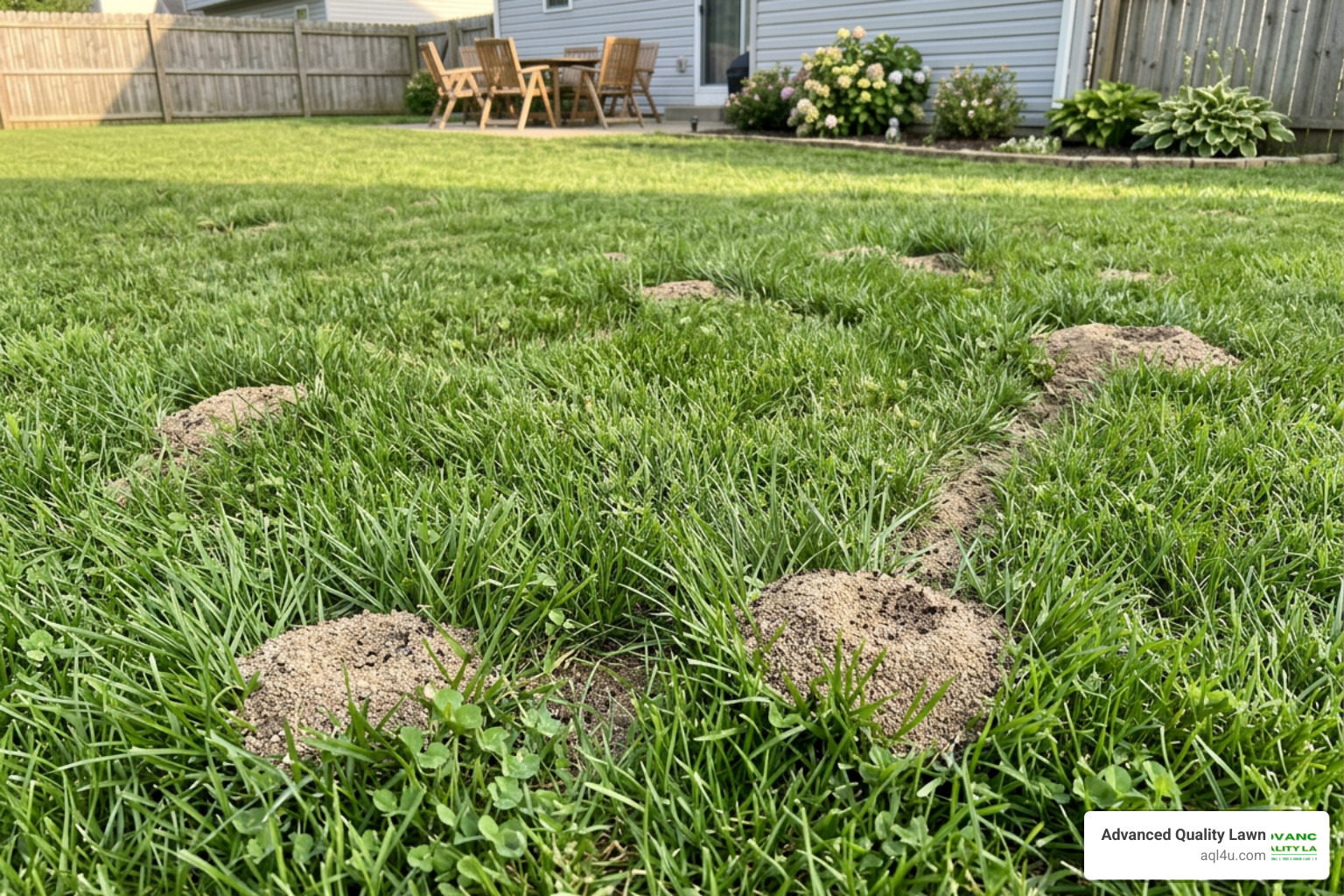
The best way to get rid of ants in your yard is to combine targeted baiting, a perimeter barrier treatment, and consistent prevention. Here is a quick overview:
- Locate active mounds, trails, and moisture sources
- Apply slow-acting bait so worker ants carry it back to eliminate the queen and colony
- Create a barrier using granules or liquid insecticide around your lawn's perimeter
- Prevent return by removing food sources, fixing drainage, and maintaining thick turf
Ants are persistent. A single colony can hold anywhere from 100,000 to 500,000 workers. Left unchecked, populations can reach 40 million ants per acre. That is not a small problem you can solve by stepping on a mound.
And here is the part most homeowners miss: killing the ants you see does almost nothing. The colony is underground, protected, and still producing thousands of new workers every few weeks. Surface sprays scatter them. They regroup. You end up with more mounds, not fewer.
That is why a structured, multi-step approach works when random spot treatments fail.
I'm Andrew Day, owner of Advanced Quality Lawn, with more than 30 years of experience helping Ohio homeowners find the best way to get rid of ants in yard while keeping their lawns healthy and their families safe. In this guide, I will walk you through exactly what works, what does not, and how to keep ants from coming back.
Identifying Your Opponent: Common Yard Ant Species
Before you spread any treatments or mix up any home remedies, you need to know who you are fighting. According to the National Wildlife Federation, there are more than 12,000 species of ants worldwide. Fortunately, you only have to worry about a handful of them in Northeast Ohio.
Different species have completely different nesting habits and food preferences. What works to eliminate a pavement ant nesting under your driveway will not work on a carpenter ant nesting inside your wooden porch.

Here is a quick look at the most common ants you will encounter in our local service areas like Akron, Cuyahoga Falls, Medina, and Stow.
| Ant Species | Appearance | Common Nesting Locations | Primary Food Source | Major Threat Level |
|---|---|---|---|---|
| Pavement Ants | Small, dark brown to black (1/8 inch) | Under driveways, sidewalks, patio stones | Sweets, grease, dead insects | Low (mostly an eyesore and minor nuisance) |
| Carpenter Ants | Large, dark black or reddish (1/4 to 1/2 inch) | Moist wood, tree stumps, deck posts, logs | Honeydew, insect proteins, sweets | High (can cause severe structural damage) |
| Argentine Ants | Small, light to dark brown (1/12 to 1/8 inch) | Damp soil, under mulch, near water sources | Sweet honeydew produced by aphids | Medium (form massive supercolonies) |
| Fire Ants | Medium, reddish-brown to black (1/16 to 1/4 inch) | Large open mounds in sunny turf grass | Seeds, young plants, other insects | High (aggressive swarmers with painful stings) |
Why Species Identification Helps Find the Best Way to Get Rid of Ants in Yard
If you notice ants in your lawn, taking a moment to identify them saves you time and money. For example, pavement ants love greasy baits, while Argentine ants prefer sweet, liquid sugar baits.
If you have carpenter ants, you are dealing with a pest that does not actually eat wood but hollows it out to build nests. Treating the soil around your lawn will not stop them if they have already established a satellite nest in your wooden deck.
When you see ants destroying your lawn by building massive mounds that smother your grass, you are likely dealing with field ants or pavement ants. Identifying the species allows you to choose the exact bait or liquid drench that targets their specific biology. This targeted approach is the absolute best way to get rid of ants in yard without wasting money on products that the ants will simply ignore.
The Best Way to Get Rid of Ants in Yard: A 3-Step System
To achieve long-term control, we recommend an integrated pest management strategy. This system relies on three distinct steps that work together to destroy the colony at its source and keep new invaders from moving in.
Step 1: Locate Active Ant Areas and Trails
Your first step is to inspect your yard. Walk through your lawn and look for active foraging paths, fresh mounds, and high-traffic zones. Pay close attention to areas with weak or thinning grass, as loose soil makes it much easier for ants to build nests.
Check out our ultimate guide to killing ants in your yard for detailed tips on tracking these pests. You will often find them trailing along hard edges like garden borders, fence lines, and brick foundations.
Keep an eye out for moisture sources. Leaky outdoor spigots, poorly draining gutters, and damp mulch beds are prime real estate for nesting colonies. Once you find their trails, do not disturb them or spray them with contact killer. Those trails are your pathway to the queen.
Step 2: Apply the Best Way to Get Rid of Ants in Yard Using Baits
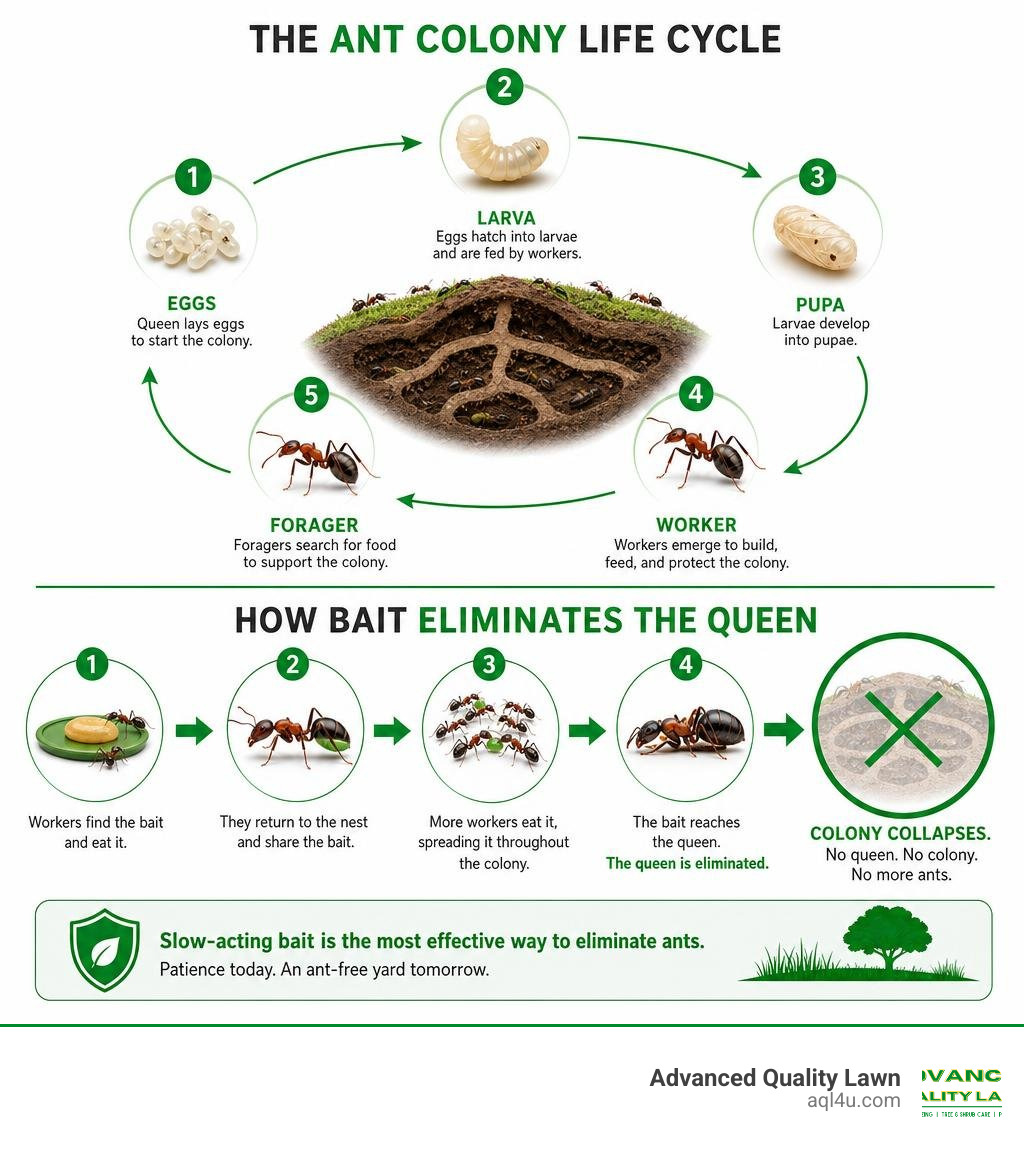
If you want to eliminate the entire colony, you must use slow-acting baits. Fast-acting contact sprays only kill the worker ants that are out foraging. The rest of the colony, including the queen, remains safe underground.
When you use a slow-acting bait, the worker ants mistake the bait for food. They carry it back to the nest and share it with the rest of the colony. This process eventually reaches the queen, which causes the entire colony to collapse.
For the best results, we recommend using a two-step method. This is especially true if you are dealing with aggressive species like fire ants, which have been slowly moving northward.
- Step One: Use a broadcast bait across your entire lawn. This controls hidden colonies and prevents new ones from establishing. In fact, research shows that when baits are properly applied two to three times per year, they provide 80 to 90 percent control of aggressive ant populations.
- Step Two: Apply a targeted mound treatment directly to visible nests.
For more details on product selection, read our best outdoor ant killers guide to see which baits perform best in real-world conditions. If you are specifically dealing with stinging pests, you can learn the best way to kill fire ants in your yard to protect your family from painful bites.
Step 3: Create a Protective Barrier with Granules and Sprays
Once the baits have had time to work, you can establish a protective barrier to keep new ants from entering your yard or migrating into your home. This is where high-quality granules and liquid insecticides come into play.
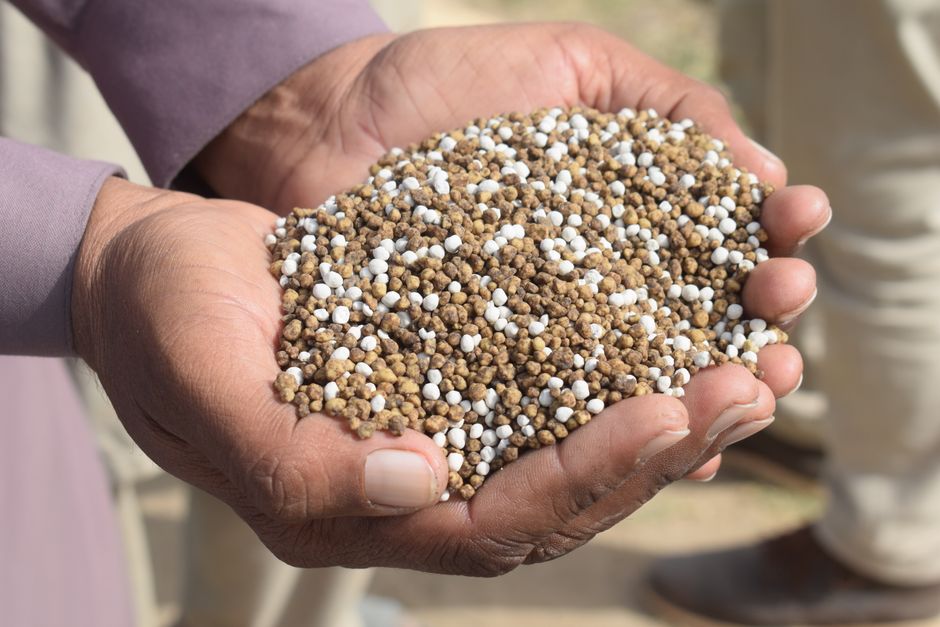
Apply a professional-grade granular insecticide to your lawn. You can use a standard broadcast spreader to apply the granules evenly across your grass. For the best results, look for products containing active ingredients like bifenthrin.
To understand how to apply these products correctly, you can review the official ant killer granules label instructions. Most granular treatments require you to water the lawn lightly after application to activate the active ingredients.
For a complete pest-free lawn, explore our recommendations for the best lawn insect killer granules and the best insect control for lawns. Once activated, these products create a continuous shield that kills invading pests on contact for several weeks.
Natural and Home Remedies for Ant Control
Many homeowners prefer to start with natural or organic methods, especially when treating areas near vegetable gardens, fruit trees, or pet play areas. While natural remedies generally take longer to show results compared to chemical options, they can be highly effective when used correctly.
Effective Natural Solutions That Work
If you want to keep your yard organic, several household items can help you manage ant populations.
- Diatomaceous Earth: This is a naturally occurring powder made from fossilized algae. It works by absorbing the oils from the ant's exoskeleton, which causes them to dehydrate and die. You should only use food-grade diatomaceous earth. Sprinkle it around garden beds, patio borders, and directly on active trails. You will need to reapply it after every rainfall.
- Boiling Water: Pouring at least 3 gallons of scalding hot water on a mound has an elimination success rate of 20 to 60 percent. This is a great, chemical-free option for small pavement ant nests. However, be extremely careful because boiling water will kill any grass or plants it touches.
- Vinegar Solutions: Mixing equal parts white vinegar and water creates a powerful spray that disrupts ant pheromone trails. Spraying this on active paths forces ants to abandon their routes.
- Essential Oils: Peppermint, tea tree, and citrus essential oils are natural repellents. Mix a few drops with water and spray the solution around patio edges to keep ants away from your outdoor living spaces.
For more natural strategies, read this guide on how to get rid of fire ants naturally. You can also learn how to get rid of garden ants to protect your flowers and vegetables without damaging your soil. For a broader list of home remedies, explore these 13 natural remedies for the ant invasion.
Ineffective or Harmful DIY Methods to Avoid
While some home remedies work wonders, others are completely useless or even dangerous to your lawn and local environment.
- Grits or Cornmeal: A common myth suggests that ants will eat dry grits, which will then expand in their stomachs and cause them to explode. This is scientifically impossible. Ants only ingest liquids, so they simply ignore or carry away solid grits.
- Gasoline or Bleach: Pouring gasoline, kerosene, or bleach down an ant hole is incredibly dangerous. It ruins your soil, kills your grass, and contaminates the local groundwater.
- Borax Left in the Open: Borax-based baits are highly effective, but you must use them safely. Leaving open dishes of borax and sugar water in your yard can poison local wildlife, beneficial pollinators, and curious pets. Always place borax baits inside secure, pet-safe bait stations.
To learn more about what to avoid, read about these safe ways to kill ants without putting your family or pets at risk.
Frequently Asked Questions About Yard Ants
How long does it take for ant treatments to work?
The timeline depends entirely on the type of treatment you use. Liquid contact sprays and drench treatments kill visible ants within a few hours, but they do not eliminate the nest.
Slow-acting granular baits typically take 3 to 7 days to show significant results. This delay is intentional because the worker ants need time to share the bait with the queen. Complete colony collapse usually occurs within two weeks.
For severe infestations, you may need to reapply bait treatments every few weeks. You can learn more about managing these timelines in our guide on ants in grass treatment.
Are ant killers safe for pets, children, and plants?
Most modern pest control products are safe when used according to the label instructions. For granular treatments, keep children and pets off the lawn until the product has been watered in and the grass has dried completely. This usually takes 24 to 48 hours.
If you have pets that love to dig, stick to organic options like diatomaceous earth or secure bait stations that pets cannot open. Always wear protective gear like gloves and a dust mask when applying any pest control products.
To keep your family safe, read our advice on managing lawn pests responsibly.
How do I prevent ants from returning to my yard?
Eliminating the current colony is only half the battle. To keep them from returning, you must make your yard less attractive to scout ants.
- Remove Food Sources: Clean up outdoor dining areas immediately after use. Keep tight lids on trash cans and compost bins.
- Eliminate Standing Water: Fix leaky hoses, clean out clogged gutters, and correct any drainage issues in your lawn.
- Maintain Lawn Health: A thick, healthy lawn is your best natural defense. Regular mowing, proper watering, and consistent fertilization leave no bare soil for ants to build mounds.
- Trim Vegetation: Keep tree branches and shrubs trimmed so they do not touch your home's siding, as this creates an easy highway for ants to move indoors.
For more prevention tips, check out our comprehensive guide on pest control.
Conclusion
Finding the best way to get rid of ants in yard does not have to be a frustrating, endless battle. By identifying the ant species, using a structured three-step system, and maintaining a healthy lawn, you can reclaim your outdoor space and enjoy a pest-free yard all summer long.
However, if you are dealing with massive colonies, structural damage from carpenter ants, or persistent mounds that refuse to go away, it might be time to call in the professionals.
At Advanced Quality Lawn, we provide expert lawn care and pest control services throughout Northeast Ohio, including Akron, Hudson, Medina, and Solon. We back our services with full-program guarantees and exceptional customer service.
Let us handle the hard work so you can get back to enjoying your lawn. Schedule professional lawn care and maintenance with us today to request a fast, free quote.