Feed Your Lawn Like a Pro This Season
Why Choosing the Best Grass Feed Makes or Breaks Your Lawn
Finding the best grass feed for your lawn does not have to be complicated. Here is a quick look at the top options to help you choose fast:
| Lawn Feed | Best For | NPK Ratio |
|---|---|---|
| GreenView Broadleaf Weed Control Plus Lawn Food | Weed control and feeding | 27-0-4 |
| Scotts Turf Builder Weed and Feed | Budget-friendly all-in-one | 26-0-2 |
| Milorganite Organic Slow-Release | Beginners and pet owners | 6-4-0 |
| BioAdvanced 5-in-1 Weed and Feed | Long-lasting feeding | 22-0-4 |
| Scotts Turf Builder Lawn Food | Summer slow-play feeding | 34-0-0 |
A pale, yellowing lawn is one of the most common signs that your grass is running low on nutrients, especially nitrogen. And if you have ever applied a fertilizer only to see burned patches or stubborn weeds push right back, you already know that grabbing the wrong bag off the shelf can do more harm than good.
Ohio lawns face a unique challenge. The clay-heavy soils, cold winters, and hot humid summers here put real stress on cool-season grasses like Kentucky Bluegrass, Tall Fescue, and Perennial Ryegrass. Getting the timing, formula, and application method right is what separates a lawn that just survives from one that actually thrives.
I'm Andrew Day, owner of Advanced Quality Lawn, with over 30 years of hands-on experience helping Northeast Ohio homeowners find the best grass feed for their specific soil conditions and grass types. In this guide I will walk you through exactly what to look for so you can make a confident choice.
Understanding NPK and Choosing the Best Grass Feed
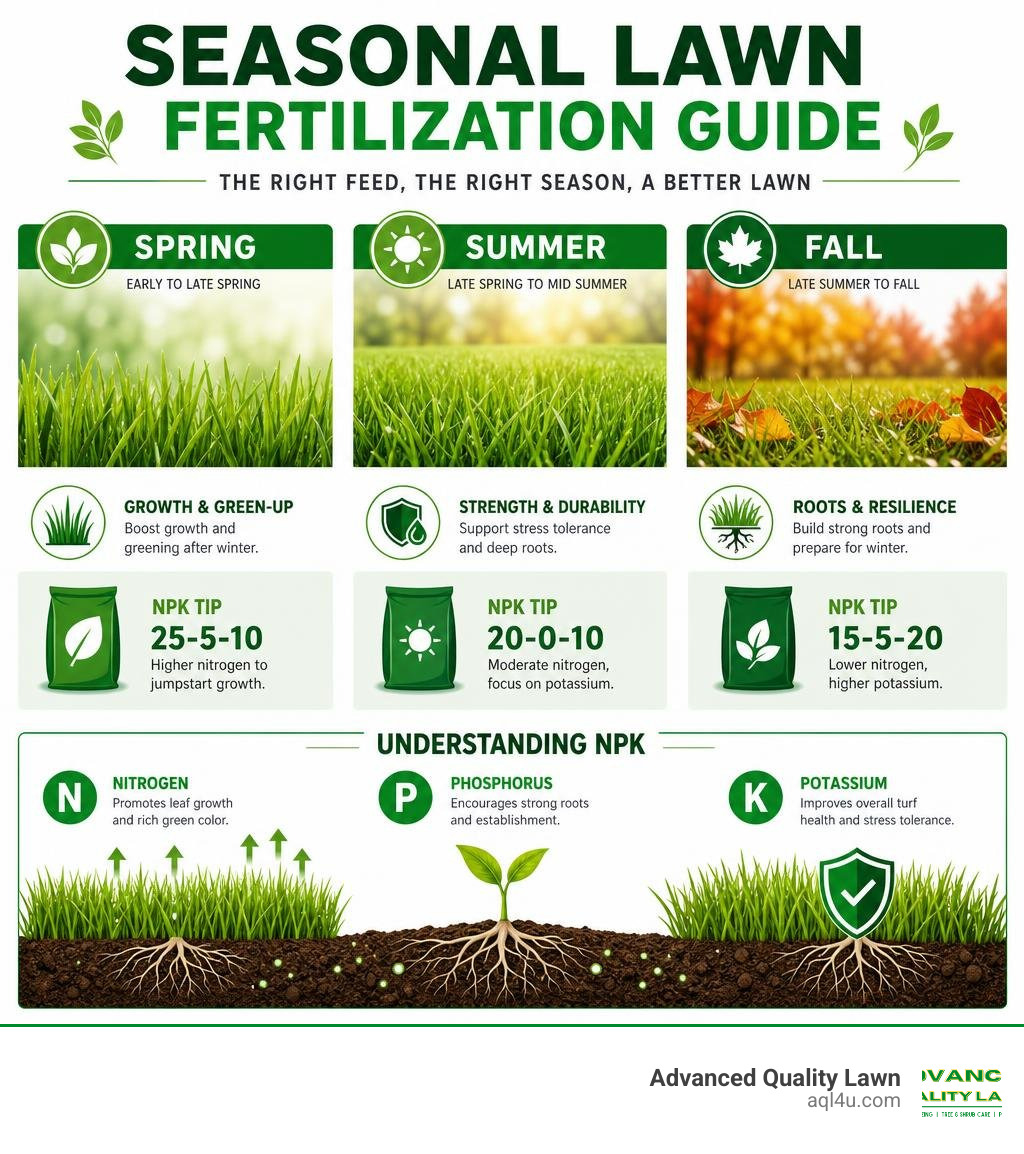
To pick the best grass feed for your yard, you first need to understand the numbers printed on the front of every single bag. These three numbers represent the NPK ratio, which stands for Nitrogen, Phosphorus, and Potassium. Think of these three elements as a complete meal plan for your lawn, where each ingredient plays a highly specific role in keeping your turf healthy.
- Nitrogen (N): This is the first number on the bag and is responsible for rapid green growth. If your grass looks pale, yellow, or generally tired, it is likely starving for nitrogen. Nitrogen helps build chlorophyll, which allows the grass to photosynthesize and produce that deep green color we all want.
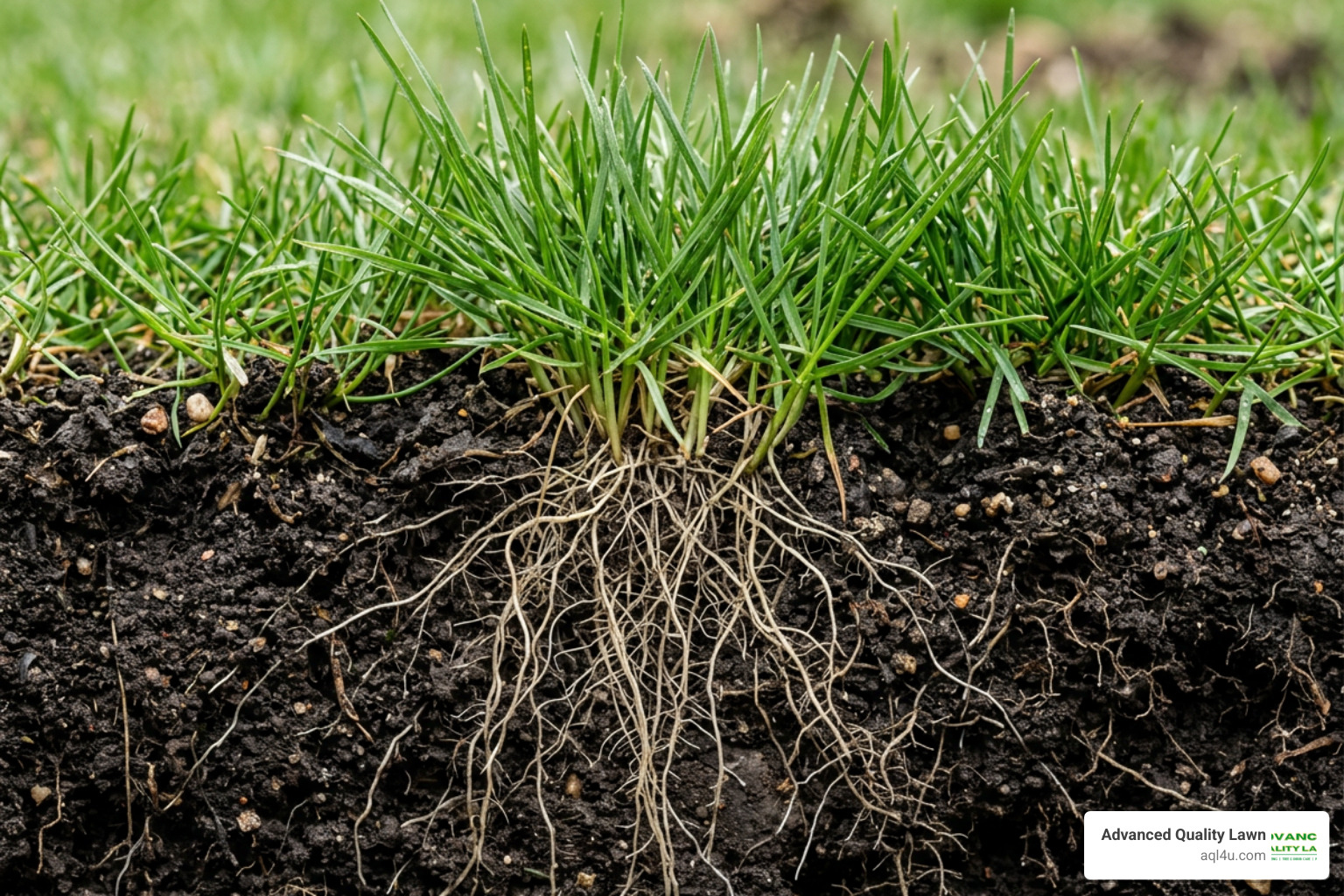
- Phosphorus (P): The middle number represents phosphorus, which focuses entirely on root development. A strong root system is the foundation of a resilient lawn. Phosphorus is especially critical when you are establishing new turf or sowing fresh seed.
- Potassium (K): The final number represents potassium. This nutrient works behind the scenes to boost overall plant health, disease resistance, and climate tolerance. It helps your grass withstand extreme summer heatwaves and freezing Northeast Ohio winters.
When shopping for Lawn Fertilizers, matching the NPK ratio to your lawn's current life stage is key. For a comprehensive breakdown of how these nutrients interact with your soil, you can read our fertilizer 101 what is it and when should you use it guide.
We also recommend checking out our comprehensive best fertiliser for grass guide 2026 to help you choose the right balance. If you are debating between natural and chemical options, our guide on is organic fertilizer better than synthetic fertilizer offers an in-depth comparison to help you decide.
Granular versus Liquid Options for the Best Grass Feed
Once you know your target NPK ratio, you must choose how to deliver those nutrients. The debate between granular and liquid fertilizers comes down to how quickly you want to see results and how much effort you want to put into application.
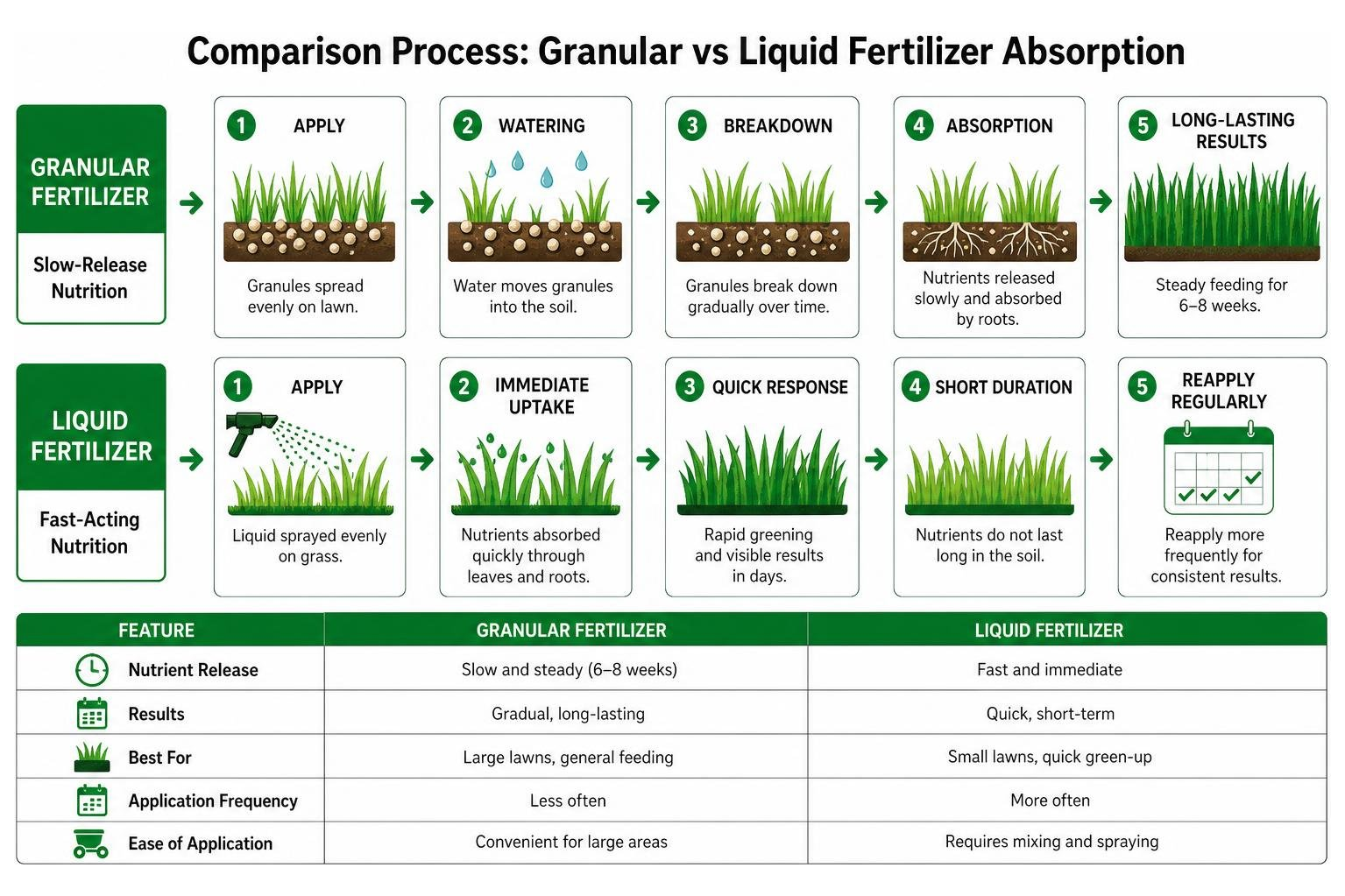
Granular fertilizers are dry pellets that you spread across your yard. They are highly convenient for larger suburban lawns in areas like Medina, Stow, or Broadview Heights. Most granular feeds are formulated as slow-release products. This means they break down gradually over a six to eight week period, providing steady, balanced growth without causing sudden, overwhelming growth spikes that clog up your lawnmower.
Liquid fertilizers are liquid concentrates that you mix with water and spray directly onto the grass. Because the nutrients are already dissolved, the grass blades and roots absorb them almost instantly. Liquid feeds are perfect for small yards or when you need a rapid green-up before hosting an outdoor party. However, they do not last as long in the soil, meaning you will need to apply them more frequently.
| Feature | Granular Fertilizer | Liquid Fertilizer |
|---|---|---|
| Absorption Speed | Slow and steady | Near-instant |
| Longevity | 6 to 8 weeks | 2 to 3 weeks |
| Best For | Large lawns, low maintenance | Small lawns, quick green-up |
| Application Tool | Rotary or drop spreader | Hose-end sprayer |
| Risk of Lawn Burn | Low (with slow-release) | Moderate (if concentrated) |
If you decide that liquid is the right route for your yard, look into options like a 16-4-8 liquid fertilizer for a balanced blend of quick greening and root support. For those who prefer premium granular blends, exploring options like a1 lawn fertiliser can give you the professional-grade results you are looking for.
Selecting the Best Grass Feed for Your Turf Type
Not all grass species eat the same food. Applying the wrong fertilizer to a specific grass type can lead to poor nutrient uptake or even severe chemical burns.
In Northeast Ohio, our lawns consist almost entirely of cool-season grasses. These include Kentucky Bluegrass, Tall Fescue, and Perennial Ryegrass. These grasses thrive in moderate temperatures and go semi-dormant during the hottest parts of the summer. If you are starting a fresh yard, you will want to read our guide on the best fertilizer for new grass to ensure your young seedlings get the exact nutrients they need to establish.
If you are managing different turf types, we have specialized guides to help you out. For those with warm-season lawns, you can check out our best fertiliser buffalo grass guide 2026, our detailed look at the best fertiliser for sir walter buffalo, or our resource on the best fertiliser for kikuyu. If you live further south or manage a coastal property, you might find our best fertilizer for st augustine grass guide useful.
For properties utilizing warm-season turfgrasses, proper nutrition is just as critical. You can learn more about managing these varieties in our guides on bermuda grass seed and fertilizer and our ultimate guide best fertilizer new bermuda sod.
When establishing any brand-new lawn, we highly recommend reading our new turf fertiliser guide 2026 and our best grass seed mulch fertilizer guide. If you need an aggressive, balanced starter option, a 24-24-0 fertilizer is an excellent choice to kickstart early root growth and leaf development.
Seasonal Feeding and Weed Control Strategies
To get a picture-perfect lawn, you must align your fertilization schedule with the natural growth cycles of your grass.
In the spring, cool-season grasses wake up hungry. Applying a light, nitrogen-rich fertilizer in early spring helps the grass recover from winter dormancy and build strong green shoots. However, avoid over-applying nitrogen too early, as this forces rapid top growth before the root system has fully established, leaving your lawn vulnerable to summer stress.
Summer care is all about defense. When temperatures rise above 85 degrees Fahrenheit, cool-season grasses begin to struggle. Applying high-nitrogen fertilizers during a summer heatwave is a major mistake, as it forces the grass to grow when it should be conserving energy. Instead, adopt a slow-play strategy. Use low-nitrogen products or slow-release formulas like Scotts Turf Builder Lawn Food, which contains 17% slow-release polymer-coated urea to feed the lawn gently without pushing stressful growth.
Fall is the absolute most important time to fertilize cool-season lawns. As the air cools but the soil remains warm, the grass stops focusing on top growth and starts pouring all its energy into root development. Applying a heavy, potassium-rich fertilizer in late autumn prepares the roots for winter and ensures a quick, vibrant green-up the following spring. To get your fall plan right, read our best fertilizer new grass seed fall guide.
For a curated list of top-performing products across all seasons, you can explore The 6 Best Lawn Fertilizer Picks for Healthy, Green Grass to find a blend that fits your specific goals.
If weeds are taking over your yard, a combination weed and feed product can help you tackle two chores at once. These products contain active herbicides to kill existing weeds alongside nutrients to feed the grass.
- GreenView Broadleaf Weed Control Plus Lawn Food features a 27-0-4 NPK ratio and can target over 250 weed varieties, including tough broadleaf weeds like dandelions and clover.
- Scotts Turf Builder Weed and Feed has a 26-0-2 ratio and is a highly economical choice for general weed control.
- BioAdvanced 5-in-1 Weed and Feed offers a 22-0-4 ratio, feeds your lawn for up to three months, and targets over 200 weed and grassy-weed varieties.
Weed and feed products must be applied carefully. Most granular formulas require you to apply them to a damp lawn so the herbicide dust sticks to the weed leaves. If it rains within 24 hours of application, the herbicide can wash off, rendering the weed control completely ineffective.
Safe and Effective Application Techniques
Even the best grass feed can ruin your lawn if you apply it incorrectly. Over-application or uneven spreading leads to chemical burns, striping, and wasted money.
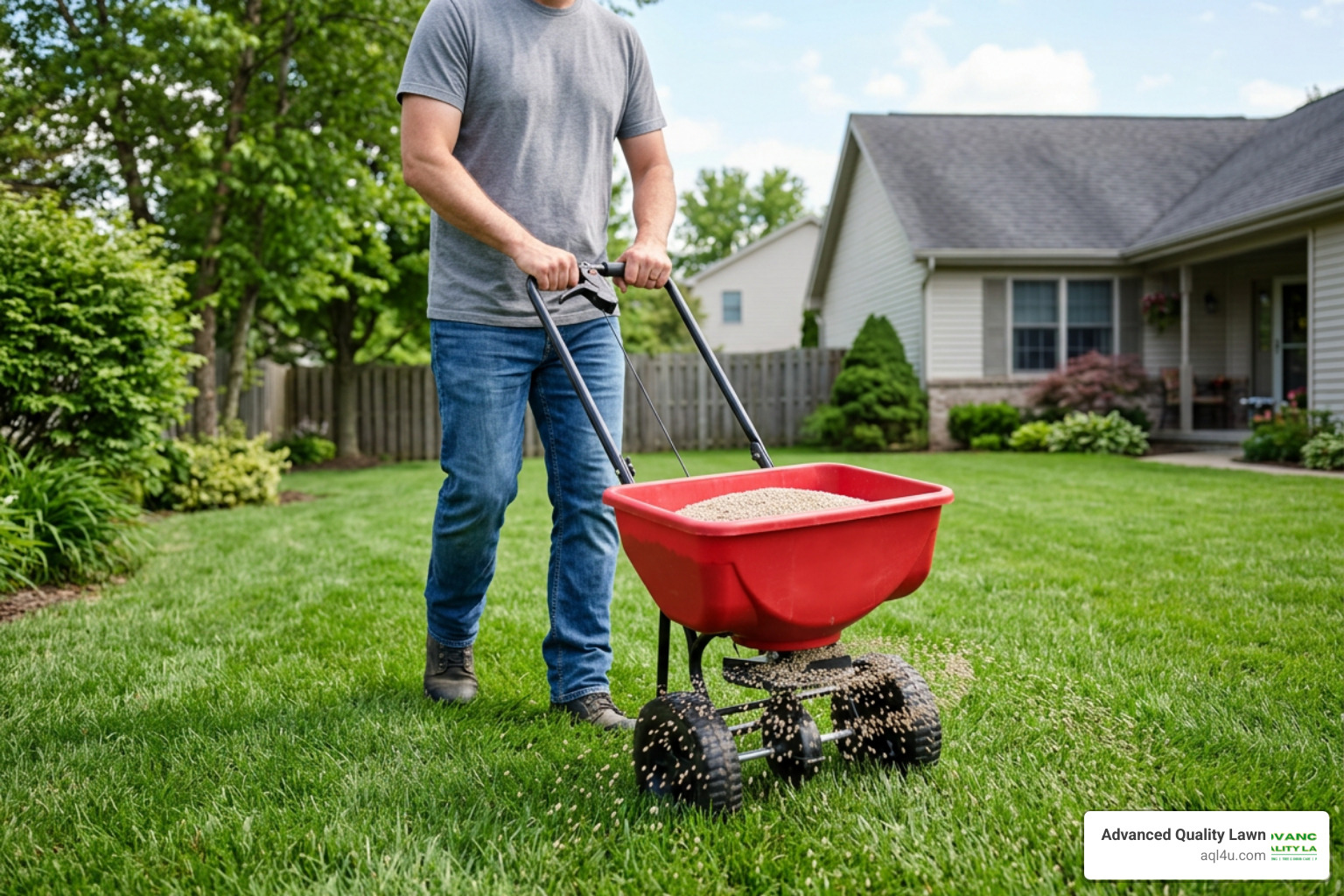
To avoid these common pitfalls, always use a high-quality lawn spreader rather than attempting to throw the fertilizer by hand. Rotary spreaders are best for large, open lawns, while drop spreaders offer precise control around flower beds and walkways.
Before you begin, calibrate your spreader according to the instructions on the fertilizer bag. A great tip is to measure out a small test area of 1,000 square feet, weigh the exact amount of fertilizer needed for that space, and practice your walking pace to ensure you are applying the product at the correct rate.
To prevent striping, apply the fertilizer in a crisscross pattern. Cut the spreader's flow rate in half, make your first pass walking north to south, and then complete the second pass walking east to west. This ensures total, even coverage across every square foot of your yard.
Once the granular fertilizer is applied, you must water it in thoroughly. Watering activates the slow-release granules and washes the nutrients off the grass blades down into the soil, where the roots can safely absorb them. If you leave fertilizer granules sitting on dry grass blades under hot summer sun, you risk scorching the foliage.
Frequently Asked Questions about Lawn Fertilization
Is there a lawn feed that is safe for children and pets?
Yes, there are several highly effective lawn feeds designed specifically with family safety in mind. Organic fertilizers are made from natural ingredients like feather meal, bone meal, and composted manure. Unlike synthetic chemical fertilizers, organic options do not contain harsh chemical salts that can irritate sensitive paws or skin.
Products like Milorganite, which is a slow-release organic nitrogen fertilizer with a 6-4-0 NPK ratio and 2.5% iron, are incredibly popular because they are completely safe for kids and pets when used as directed. Another fantastic option is Westland SafeLawn, which is formulated specifically for yards where children and pets play. When using any fertilizer, even organic ones, it is always a smart practice to water the product in thoroughly and let the lawn dry completely before letting your family and pets back out to play.
Should I feed my lawn during a summer heatwave or drought?
No, you should avoid feeding your lawn with high-nitrogen fertilizers during extreme heatwaves or periods of drought. When temperatures consistently exceed 85 degrees Fahrenheit, cool-season grasses naturally slow down their growth and may even go dormant, turning brown to protect themselves from dehydration.
If you apply nitrogen during this time, you force the grass to produce new green growth when it does not have the moisture or energy reserves to support it. This exhausts the plant and can lead to severe turf death. If your lawn is stressed, focus entirely on deep watering rather than feeding. Once the heat breaks and regular rainfall returns, you can safely apply a low-nitrogen, potassium-rich stress recovery fertilizer to help the grass bounce back.
Can I make my own DIY lawn feed at home?
You can absolutely create your own natural lawn feed using simple, organic ingredients. One popular DIY method is using corn gluten meal. Corn gluten meal naturally contains about 9% nitrogen, making it a fantastic, slow-release greening agent. Even better, it acts as a natural pre-emergent herbicide by drying out the roots of weed seeds as they attempt to germinate in the spring.
Another common DIY option is compost tea, which you make by steeping high-quality compost in aerated water. This liquid mixture is packed with beneficial microbes, fungi, and nutrients that improve soil structure and help your grass roots absorb food more efficiently. While DIY options are highly eco-friendly and safe, keep in mind that they are much less concentrated than commercial fertilizers, meaning you will need to apply larger quantities to achieve the same visual greening results.
Conclusion
Taking care of your lawn does not have to feel like a second job. By understanding your soil's NPK needs, choosing between granular and liquid formulas, and timing your applications with the changing seasons, you can easily achieve a thick, vibrant green yard that is the envy of your neighborhood.
However, we know that life gets busy. Between work, family, and enjoying your weekends, finding the time to calibrate spreaders, track weather patterns, and handle heavy bags of fertilizer can be a challenge. That is where we come in.
At Advanced Quality Lawn, we have spent over 30 years providing premier lawn care, tree, and shrub services across Akron and the surrounding Northeast Ohio communities. We proudly serve homeowners in Hudson, Brecksville, Copley, Bainbridge, Solon, Chagrin Falls, Broadview Heights, Parma, Medina, Macedonia, and many other local areas.
Our professional team takes the guesswork out of lawn care with our custom-blended seasonal treatments, full-program guarantees, and outstanding customer service. If you are ready to hand off the hard work to the pros, explore our lawn care and maintenance services today and let us give you the beautiful, hassle-free lawn you deserve.